
AI 'Slop' Menus Spark Global Backlash as Restaurants Face Real-World Consequences
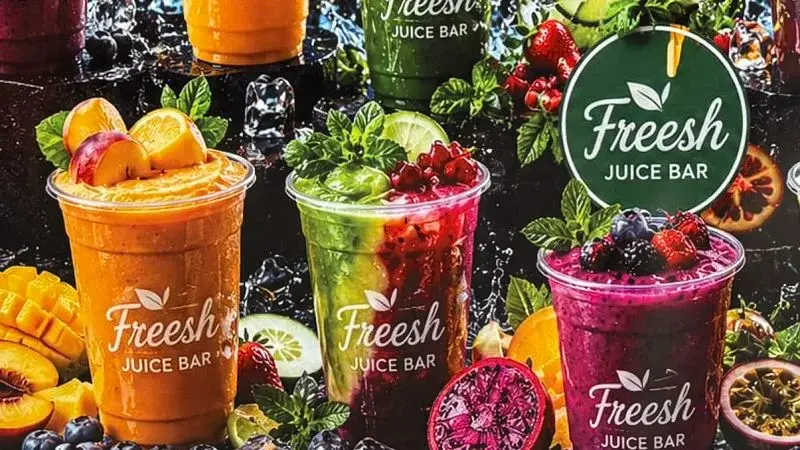
AI-generated food images are causing widespread disgust and financial harm to small restaurants. While 26% of owners use AI to cut costs, the resulting 'uncanny' visuals trigger evolutionary disgust responses, leading to viral backlash, negative reviews, and even vandalism. Experts argue that authenticity and human-made photos are essential for maintaining customer trust in the dining experience.
Key points
- AI-generated food images are appearing on menus at bodegas, food trucks, and cafes globally, often featuring surreal or 'rubbery' textures that repel customers.
- A 2025 study by psychologist Alexander Diel found that slightly imperfect AI food images trigger stronger 'uncanny valley' reactions and lower appetite than realistic or non-realistic images.
- Small businesses are adopting AI to save money, with 26% of restaurant owners using it for marketing, but this strategy is backfiring due to customer aversion.
- Real-world consequences include a San Francisco coffee shop paying for graffiti removal after AI menu backlash, and other venues receiving negative reviews.
- Experts advise small businesses to use smartphone photos or simple illustrations instead of AI to maintain authenticity and avoid disappointing customers.
Background
This trend follows broader concerns about AI's impact on creative industries and consumer trust. Earlier coverage noted how AI tools are increasingly used in marketing, but the specific backlash against food imagery highlights a unique sensitivity related to safety and biological disgust. The phenomenon also aligns with growing public skepticism toward AI-generated content in other sectors, where authenticity is valued over efficiency.
How outlets are covering it
CNN and WPSD Local 6 emphasize the psychological and evolutionary reasons for the backlash, citing studies on 'uncanny valley' effects and food neophobia. NBC News focuses on the economic drivers, noting that small businesses use AI to cut costs, and highlights real-world consequences like vandalism and negative reviews. The New Yorker offers a cultural critique, arguing that AI food images violate the 'materiality of the living' and mock the cultural and emotional significance of food, contrasting them with traditional 'food porn' which at least seduced viewers. All sources agree that the trend is harmful to small businesses, but they differ in emphasis: CNN and WPSD focus on consumer psychology, NBC on business impact, and The New Yorker on cultural and ethical implications.
Why it matters
The backlash against AI food images signals a broader shift in consumer attitudes toward AI-generated content, particularly in sectors where trust and authenticity are paramount. For small businesses, it highlights the risks of cutting corners on marketing, as the short-term savings can lead to long-term reputational damage. The trend also underscores the importance of human touch in creative and service industries, where authenticity and cultural context are valued over efficiency and cost-cutting.
What to watch
Expect more small businesses to abandon AI-generated food images in favor of authentic, human-made photos or simple illustrations. There may be increased scrutiny from consumer protection agencies regarding AI-generated advertising, particularly if it is deemed misleading or false. The trend could also lead to a broader cultural backlash against AI in other sectors, as consumers become more sensitive to the 'uncanny valley' effects of AI-generated content. Additionally, there may be a rise in 'anti-AI' marketing campaigns, where businesses explicitly highlight their use of human-made content to differentiate themselves from competitors.
- Why restaurants are facing backlash for fake food pictures cnn.com
- Side of slop? Bizarre AI food images jump from online to IRL menus NBC News
- The Unique Horrors of A.I. Food Slop The New Yorker
- Appalling AI menu pictures keep going viral. But what makes them so revolting? WPSD Local 6
- Let them serve AI slop restaurantbusinessonline.com
Want the full story? Read the original reporting
Read on cnn.com