
Google’s Minnesota Data Center Deal Sparks Billion-Dollar Grid Cost Dispute
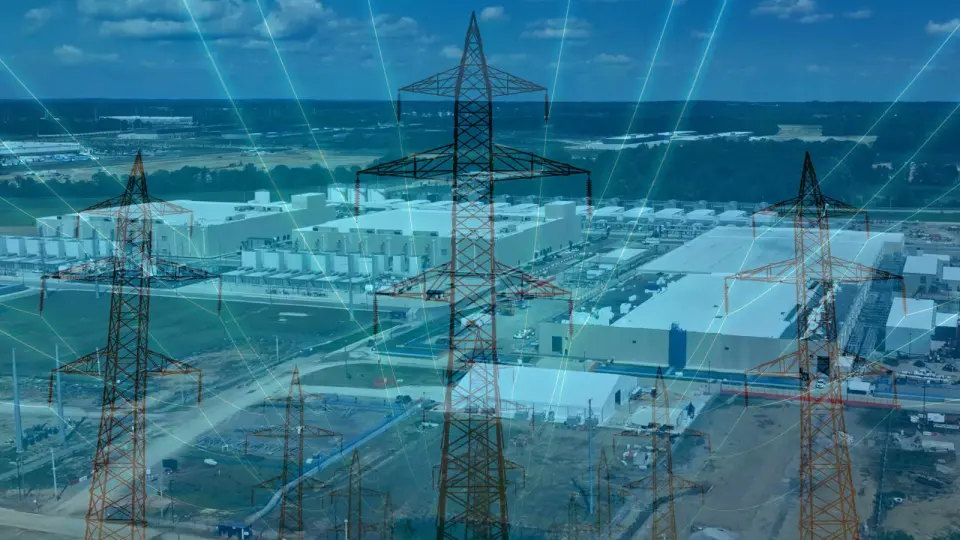
Google’s proposed 780-megawatt data center in Pine Island, Minnesota, is at the center of a regulatory dispute over its impact on the aging US power grid. While Google argues its deal with Xcel Energy will finance necessary clean energy upgrades, the Minnesota Attorney General’s office contends the arrangement could shift costs to other customers. The project highlights the tension between hyperscalers seeking rapid grid access and utilities managing infrastructure constraints.
Key points
- Google plans to build a 780-megawatt data center in Pine Island, Minnesota, under a 15-year power contract with Xcel Energy.
- The deal includes financing for 1,400 MW of wind, 200 MW of solar, and 300 MW of battery storage, exceeding the data center’s own capacity.
- Xcel Energy projects $1.1 billion in net benefits for other customers, while the Minnesota Attorney General’s office estimates roughly $1 billion in net costs.
- Google’s agreement includes minimum demand charges and exit fees to ensure it pays for infrastructure even if AI demand fluctuates.
- The project is pending approval by the Minnesota Public Utilities Commission amid concerns over grid congestion and community opposition.
Background
This dispute occurs amid a broader national push to expand AI infrastructure, which is straining an aging US grid. Previous reports indicate that over 70% of US transmission lines are at least 25 years old, and data centers are expected to drive most of the projected increase in electricity demand over the next decade. Google has previously signed a $4.3 billion deal with Constellation Energy to upgrade nuclear reactors, reflecting a multi-pronged strategy to secure power for its AI operations.
How outlets are covering it
Outlets present diverging views on the deal’s financial impact. CNBC emphasizes Google’s model as a catalyst for cleaner, more reliable grid infrastructure, noting that the new capacity exceeds the data center’s needs. TokenPost highlights a stark financial disagreement, with Xcel projecting $1.1 billion in benefits for other customers versus the Attorney General’s estimate of $1 billion in costs. Politico focuses on the broader industry challenge of grid congestion, with Google’s head of energy citing up to ten-year delays for new connections. Post Bulletin offers a local perspective, arguing the project will create 500 construction jobs and generate $131 million in property tax revenue, despite community opposition.
Why it matters
The outcome of this regulatory review will set a precedent for how hyperscalers finance grid upgrades in the US. If the deal proceeds, it could demonstrate a viable model for private capital to accelerate clean energy infrastructure. However, if the Attorney General’s concerns are upheld, it may signal stricter scrutiny of large data center projects and their impact on residential electricity rates.
What to watch
The Minnesota Public Utilities Commission will review the proposed agreement, focusing on whether the cost protections adequately shield other customers. Google’s cloud business, which saw an 82% revenue increase in the second quarter, will continue to seek grid access through various strategies, including nuclear upgrades and geothermal power, as it navigates the tension between rapid AI expansion and infrastructure limitations.
- Google says it can build data centers the right way. Some experts and residents are skeptical CNBC
- Google Data Center Power Deal Faces Billion-Dollar Cost Dispute www.tokenpost.com
- Google says it needs the grid. The grid can’t keep up. Politico
- Google's Minnesota Data Center Project Faces Scrutiny Over Grid Upgrade Claims The Tech Buzz
- Bryce Bushman: Don't send Minnesota opportunity across state lines Post Bulletin
Want the full story? Read the original reporting
Read on CNBC