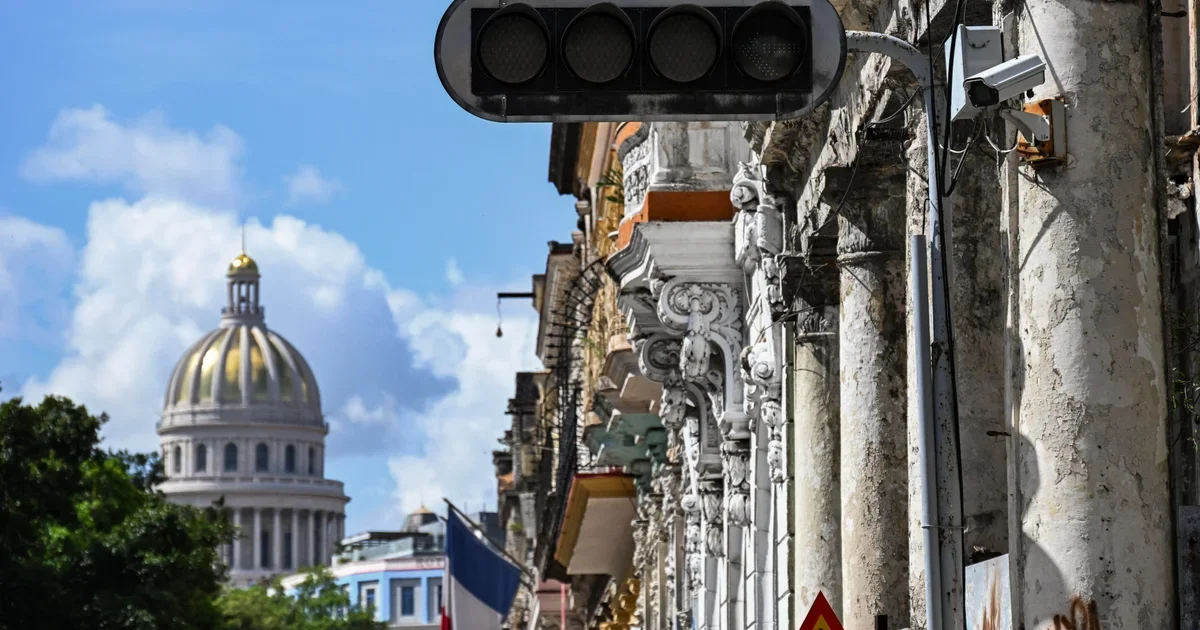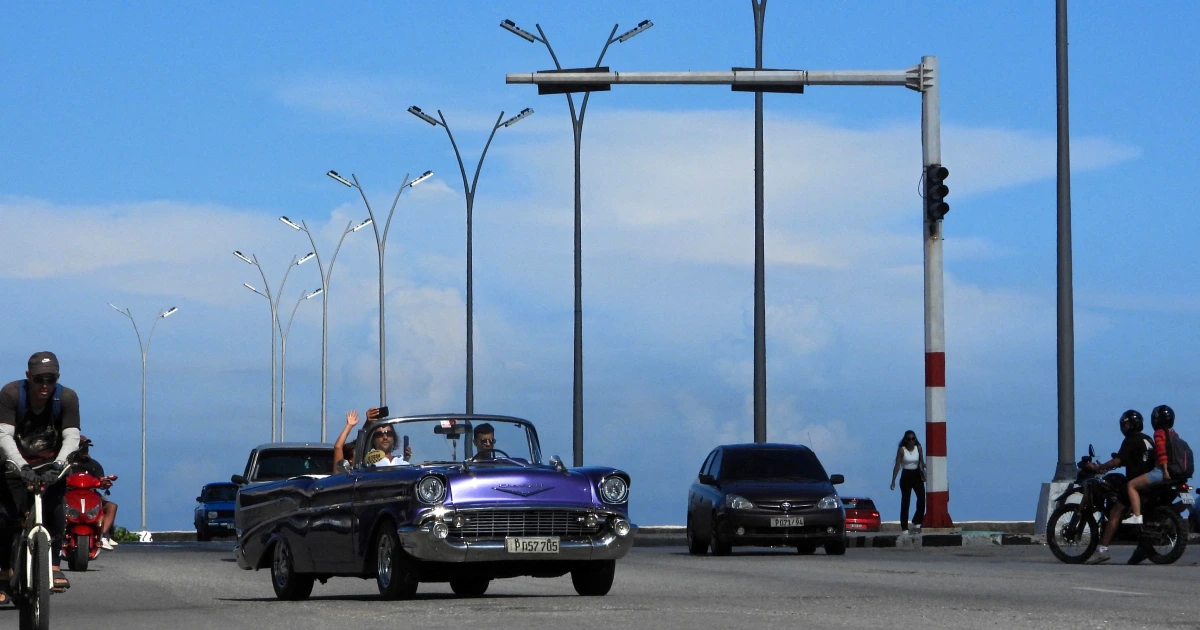
Cuba suffered its second nationwide blackout in less than a week after a unit at a Nuevitas power plant shut down, triggering a domino effect across the country; restoration efforts are underway as protests grow and humanitarian aid arrives amid an ongoing energy crisis tied to external pressures and disrupted oil shipments.
Winter Storm Fern knocked out power for more than a million customers across the South as frigid conditions loom, pressuring the electric grid. PJM projected record winter demand and the Energy Department allowed full operation of grid resources while utilities mobilized tens of thousands of workers; gas prices surged and authorities warned the system could remain stressed through the week amid ice and falling temps.
Cuba experienced a complete blackout due to a collapse of its electrical grid, exacerbating ongoing economic and infrastructure challenges, with restoration efforts underway amid widespread concern over prolonged outages.
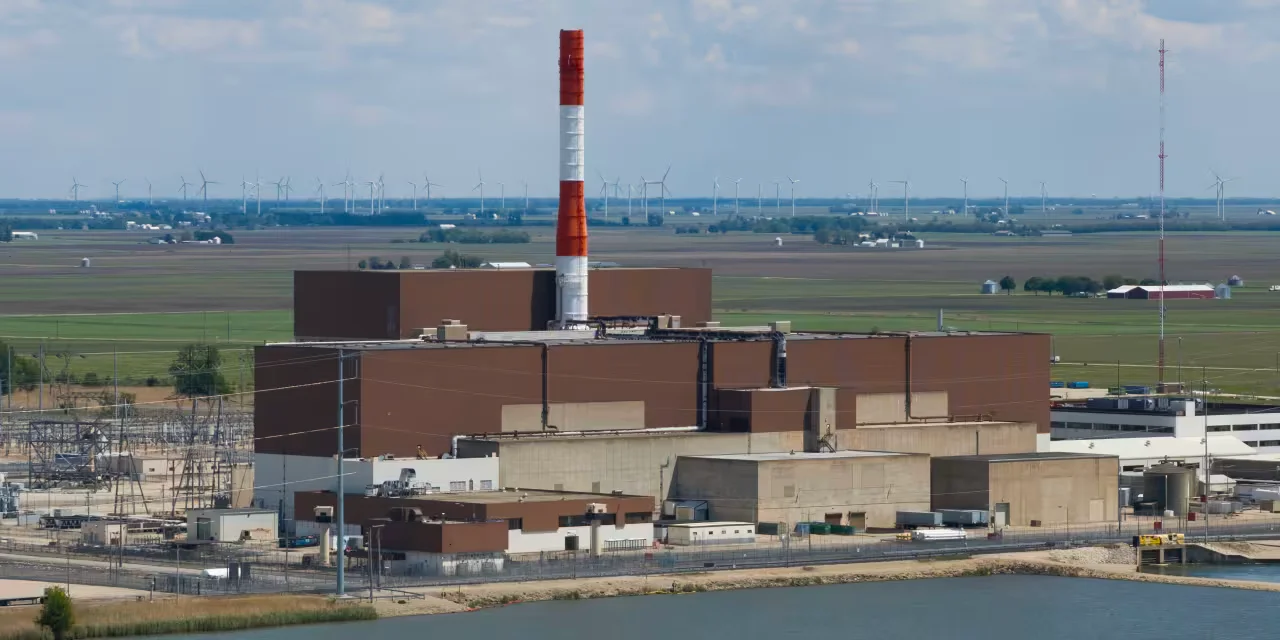
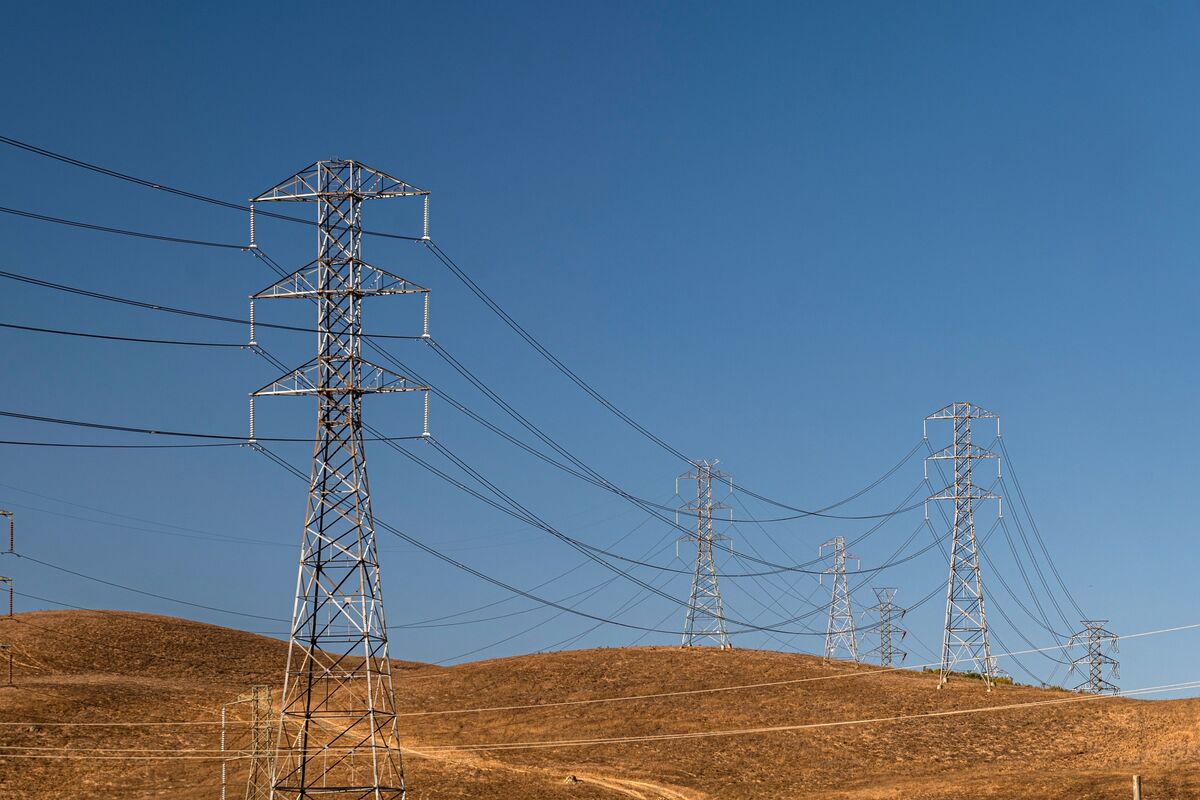
The rapid growth of AI infrastructure and data centers is creating a significant power supply challenge, with the US falling behind China in capacity expansion. Addressing this issue requires urgent development of new energy sources and upgrades to the electric grid to sustain AI advancements and maintain US leadership in the industry.
Nearly 190 million Americans are under heat advisories due to an early summer heat wave driven by a heat dome, breaking multiple temperature records and increasing health risks, especially for vulnerable populations, with relief not expected until the end of the week.
US regulators warn that the rapid growth of data centers, especially for AI and cryptocurrency mining, poses a significant risk to electric grid stability due to their unpredictable power demands and sensitivity to voltage swings, with recent outages highlighting the need for better integration and energy management solutions.
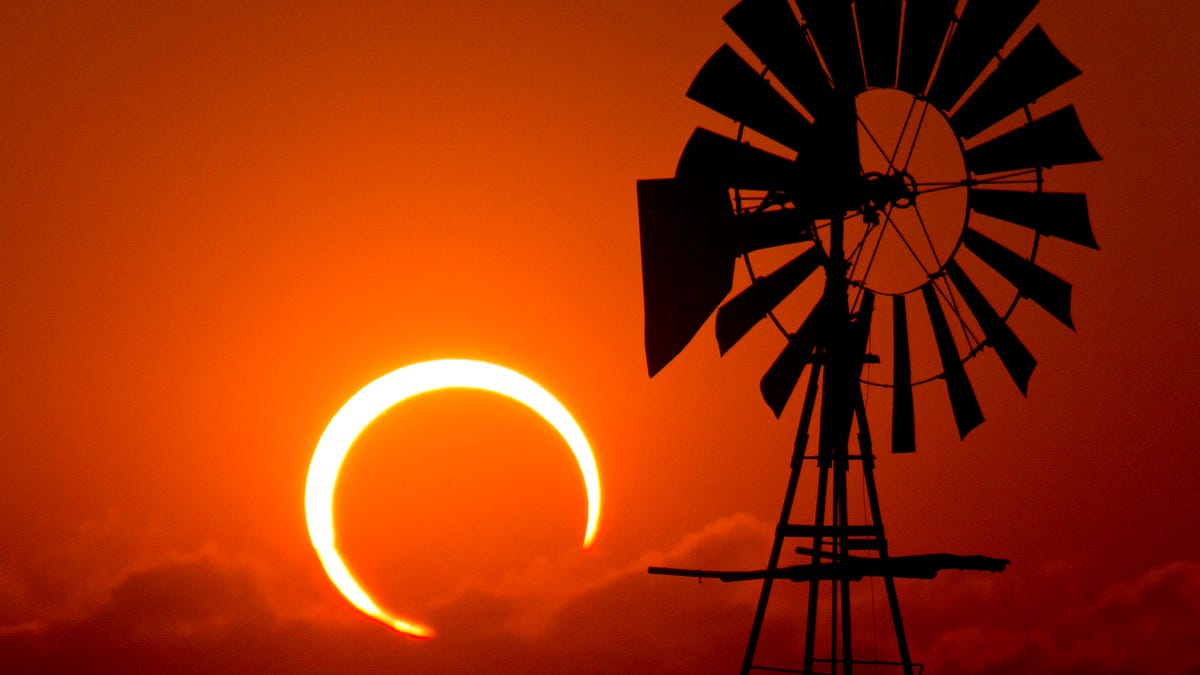
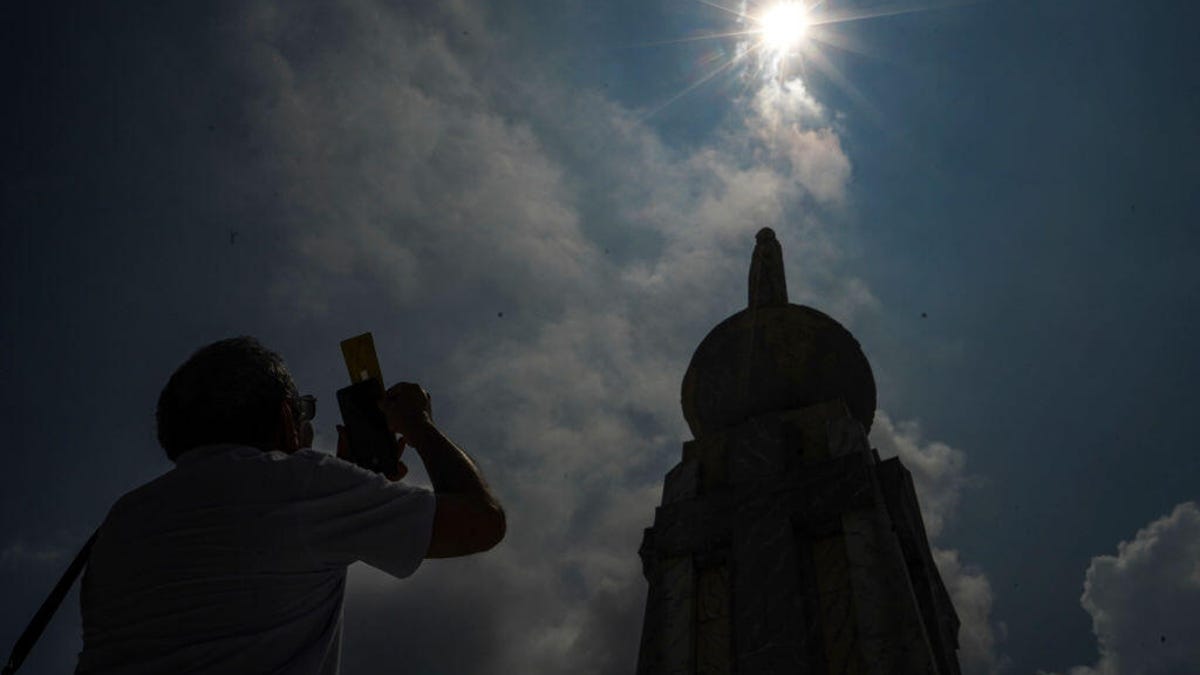
The upcoming solar eclipse on April 8 will impact solar panels and the electric grid, causing a temporary loss of sunlight and affecting solar generation across the United States. Grid operators have been preparing for the event, and while the eclipse will lead to a reduction in solar power, utilities are expected to ramp up other power sources to cover the shortfall. The eclipse serves as a practice run for future unpredictable events, and viewers are advised to use proper eye protection when observing the celestial spectacle.
The upcoming solar eclipse on April 8 will have a significant impact on solar power generation and the electrical grid, with the potential for reduced solar generation and the need to ramp up other power sources to cover the temporary loss of solar power. While the eclipse will only last for 4 minutes in any one place, the broader impacts and the transition in and out of the eclipse could last several hours, affecting the entire United States to varying degrees. However, utilities have experience in handling such events, and if all goes according to plan, electric consumers shouldn't notice any disruptions.
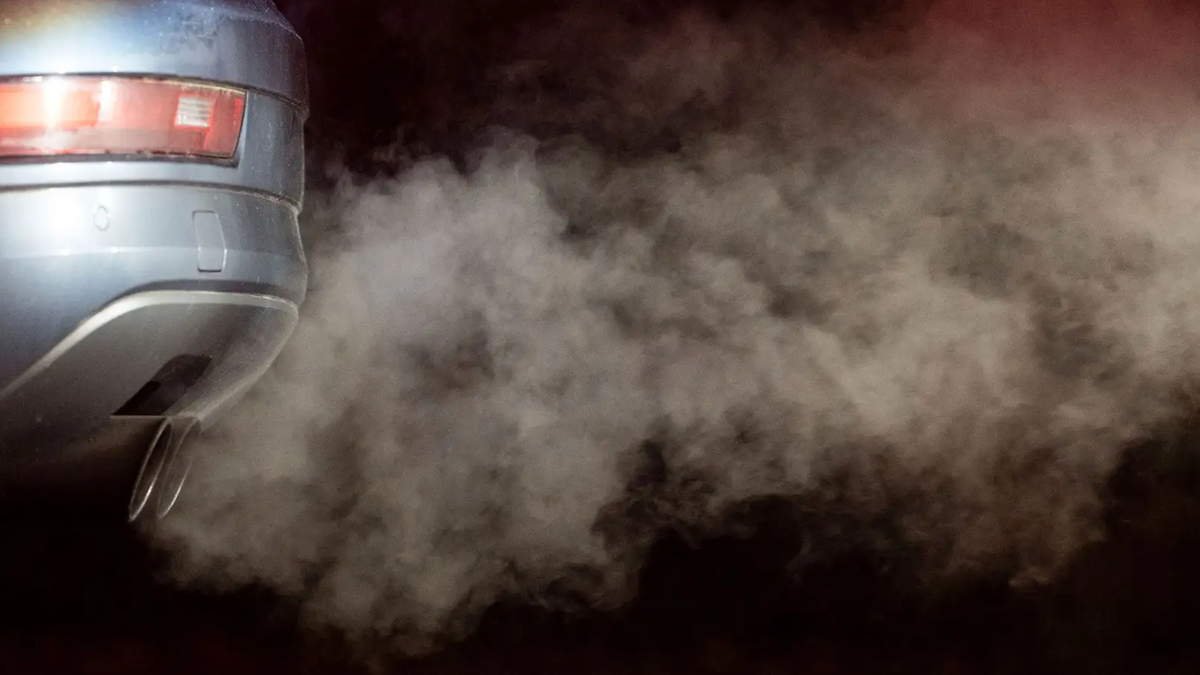
Despite a 2.4 percent increase in GDP, U.S. greenhouse gas emissions fell by 1.9 percent in 2023, matching 1991 levels, with the power sector leading the decline. However, transportation emissions increased by 1.6 percent due to more plane travel and miles driven. The rise in gasoline demand contrasts with record-high electric vehicle sales, indicating increased driving outweighed fuel efficiency gains. To meet Paris Agreement targets, the U.S. must reduce emissions by 6.9 percent annually until 2030.
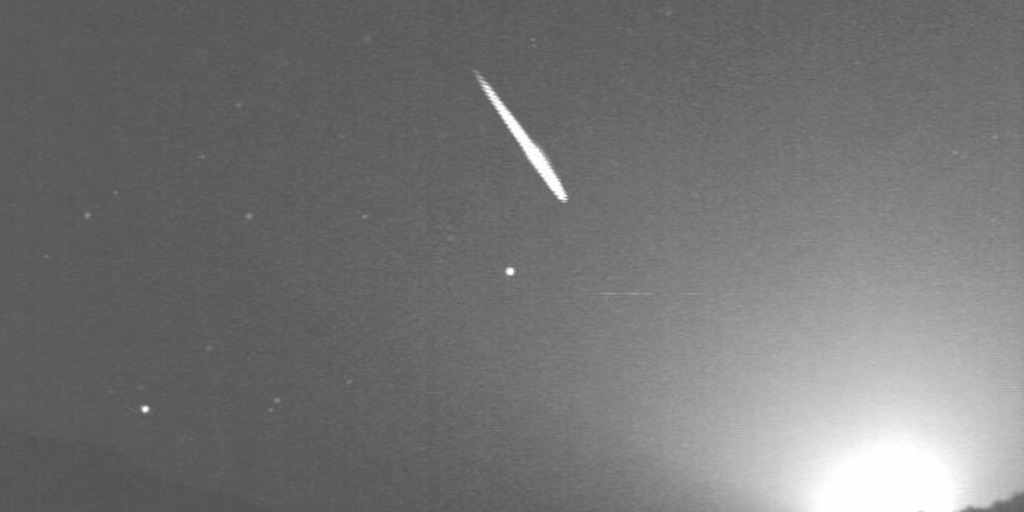
A video captured the moment a meteor streaked across the sky over Puerto Rico during the Geminid meteor shower, appearing to explode. The meteor's trajectory coincided with an explosion, which was believed to be caused by Puerto Rico's electric grid still recovering from hurricane damage. Despite the explosion, power only went out in the area for about a minute.
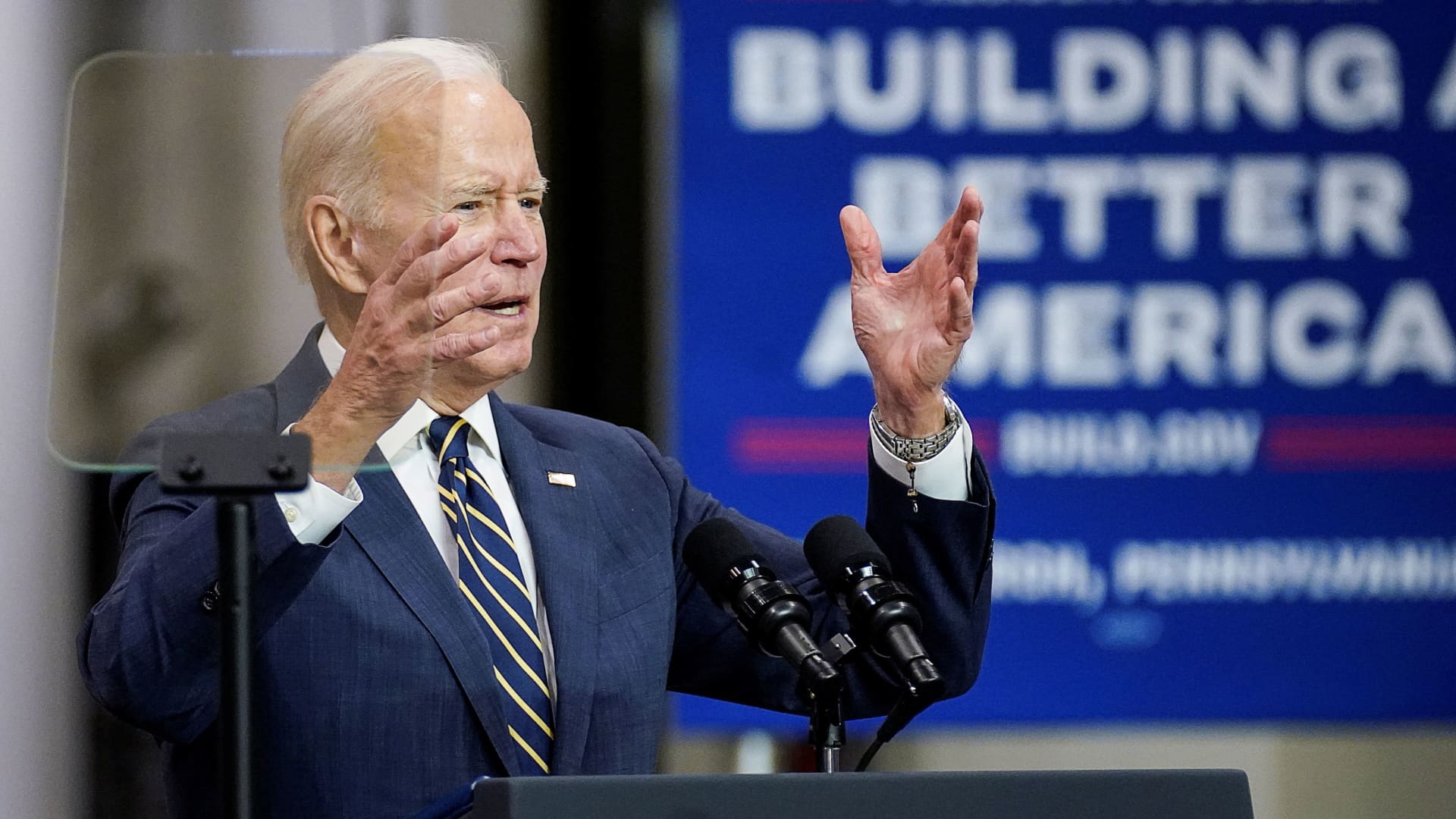
President Joe Biden has announced a $1.3 billion federal investment to construct three new interstate power lines, aiming to upgrade the outdated U.S. electric grid and transition to clean energy. The transmission lines will span six states and supply an additional 3.5 gigawatts of energy to the grid, equivalent to powering 3 million homes. The investment is part of the Biden administration's plan to achieve a carbon-free power sector by 2035. However, the construction of power lines often faces delays and challenges, and the projects are subject to necessary approvals and permitting processes.
The Biden administration has announced a $3.46 billion investment in upgrading the US electric grid, the largest investment to date in the grid. The funding will support 58 projects across 44 states, aiming to prevent blackouts and bring more clean energy online. The projects are expected to leverage $8 billion in federal and private investments, helping to add over 35 gigawatts of renewable energy and 400 microgrids. The funding prioritizes marginalized communities and aims to create good-paying union jobs. This investment is part of a larger effort to strengthen power grids globally, as governments and utilities need to replace or add the equivalent of all the world's power grids by 2040.
Consumers Energy, a Michigan-based electric utility company, has unveiled a five-year plan to enhance the reliability of its electric grid and reduce power outage durations and frequency. The plan includes trimming trees near power lines, replacing outdated electric poles, burying more power lines underground, and automating parts of the grid. The company aims to seek approval from the Michigan Public Service Commission for the plan, which could involve an investment of approximately $9 billion and the burial of an estimated 5,000 miles of low-voltage power lines. Consumers Energy intends to ensure that no customer goes without power for more than 24 hours and that no outage affects more than 100,000 customers.
The Biden-Harris administration has announced a $300 million grant program to accelerate and strengthen electric transmission siting and permitting processes, as part of their Investing in America agenda. The program aims to support the buildout of a modernized electric grid, reduce permitting times, and create good-paying jobs. It is part of broader efforts to advance transmission infrastructure, lower electricity costs, strengthen reliability, and reduce climate pollution. The grants will be available to state, tribal, and local governments, and can fund studies, environmental planning, community engagement, and economic development projects. The goal is to reach 100% clean electricity by 2035 and reduce greenhouse gas emissions by 50-52% below 2005 levels by 2030.
As a weeklong heat wave hits St. Louis and surrounding areas, power consumption approaches all-time highs, prompting utilities like Ameren to request that customers conserve energy. The electric grid is on track to possibly tie or surpass its previous record for peak energy usage, with demand reaching 122 gigawatts. MISO, the grid overseer, declared a "Maximum Generation Emergency Event" and asked emergency sources of power generation to come online. Ameren assures customers it has sufficient capacity but asks them to raise thermostat temperatures, close curtains, and run high-energy appliances after 10 p.m. Experts suggest building more transmission and promoting energy efficiency to better prepare the grid for extreme heat. The heat wave is expected to end soon, but concerns remain about the grid's resilience under prolonged extreme conditions.