
Harvard study finds US hyperscale data centers consumed 82 TWh of electricity in 2025
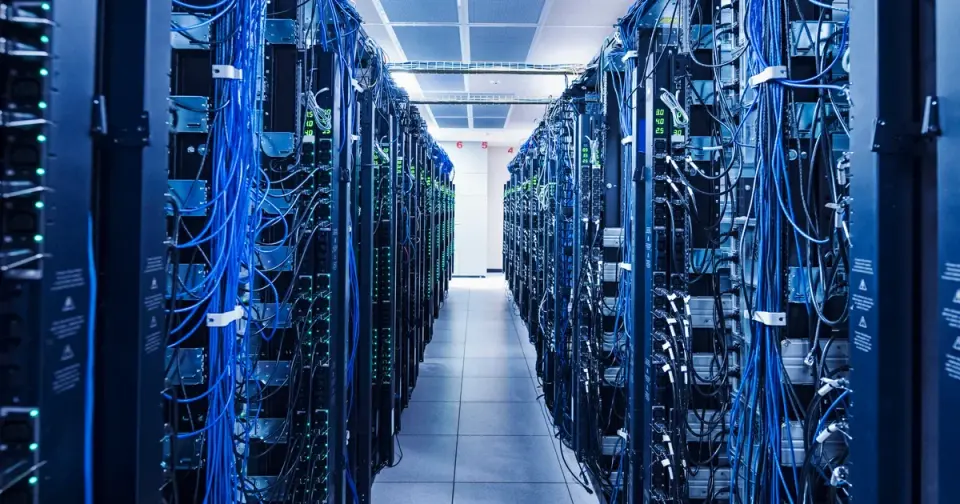
A new Harvard University study estimates that 403 hyperscale data centers in the United States consumed 82 terawatt-hours of electricity between May 2024 and April 2025, accounting for 1.8% of total US electricity use. This consumption is equivalent to the annual usage of the state of Missouri or the nation of Denmark. The facilities generated approximately 25.7 million metric tons of carbon dioxide, with 54% of their power derived from fossil fuels. Researchers note that the figures likely understate current usage due to rapid AI infrastructure expansion, with over 2,000 additional facilities planned or under development. The findings coincide with a voluntary UN pledge at COP31 to power AI with clean energy, though major US tech companies have not yet signed.
Key points
- Harvard researchers analyzed 403 US hyperscale data centers, finding they consumed 82 TWh of electricity in 2025, equivalent to 1.8% of US total electricity.
- The study estimates these facilities produced 25.7 million metric tons of CO2, with 54% of their electricity sourced from fossil fuels.
- Lead author Gianluca Guidi states the data likely underestimates current consumption, as the number of large-scale facilities has doubled since April 2025.
- At the UN COP31 climate talks in Turkey, a voluntary pledge was launched to power AI with clean energy, but no US tech companies have signed it.
- The study highlights that data centers are 'factories that never sleep,' requiring constant cooling and generating significant heat and emissions.
Background
This study arrives amid growing public concern over data center impacts on energy costs and the environment. Recent archive reports indicate that rising electricity costs are forcing 20% of Americans to cut food spending, with consumers blaming data center demand and utility profits. In North Carolina, regulators recently approved rate hikes and strict rules for data centers to prevent other consumers from bearing infrastructure costs. Additionally, a Federal Reserve Bank of Dallas working paper estimates that data center demand increased national wholesale electricity prices by 6.9% in 2025, prompting legislative efforts to require large data centers to cover transmission upgrade costs.
How outlets are covering it
CBS News and NBC News emphasize the scale of energy consumption and the environmental impact, highlighting the comparison to national and state-level usage. NBC News notes that the emissions estimate is two to three times higher than previous studies, according to senior author Francesca Dominici. Ars Technica provides technical context, noting that the study could not differentiate between AI compute and traditional data services, and that on-site generation, such as natural gas turbines, may not be fully captured in the estimates. While former Vice President Al Gore and industry advocates like Caleb Max argue that AI can help solve climate problems, critics like Philip Newell of Climate Action Against Disinformation warn that companies are 'selling hope while hiding the harms.' The UN climate chief Simon Stiell criticized the lack of US tech company signatures on the clean energy pledge, stating that future emissions savings cannot excuse rising pollution now.
Why it matters
The study underscores the significant environmental and economic implications of the AI boom. As data centers consume a growing share of US electricity, they contribute to higher carbon emissions and potential increases in consumer energy bills. The rapid expansion of these facilities, outpacing tracking and planning, raises concerns about grid stability, environmental justice, and the long-term sustainability of AI infrastructure. The lack of transparency and voluntary pledges from major tech companies highlights a gap between industry growth and regulatory or environmental accountability.
What to watch
Researchers expect the energy consumption and emissions from data centers to rise significantly as the number of facilities doubles and 2,000 more are planned or under development. The voluntary UN pledge may gain traction if more countries and companies sign, but its impact remains uncertain without US tech company participation. Future studies may better track AI-specific energy use as the industry continues to expand, and regulatory measures may emerge to address the environmental and economic impacts of data centers on local communities and power grids.
- Largest U.S. data centers use as much electricity as some states and countries, study finds CBS News
- Assessing the carbon emissions and energy consumption of US hyperscale data centres Nature
- Harvard study estimates magnitude of U.S. data center pollution as climate talks unveil clean AI pledge NBC News
- Hyperscale data centers use 2% of US electricity Ars Technica
- The first study of AI data centers’ climate pollution is here—and it’s a massive undercount HEATED | Emily Atkin
Want the full story? Read the original reporting
Read on CBS News