
US Banks Split Between Blocking AI Agents and Drafting New Access Protocols
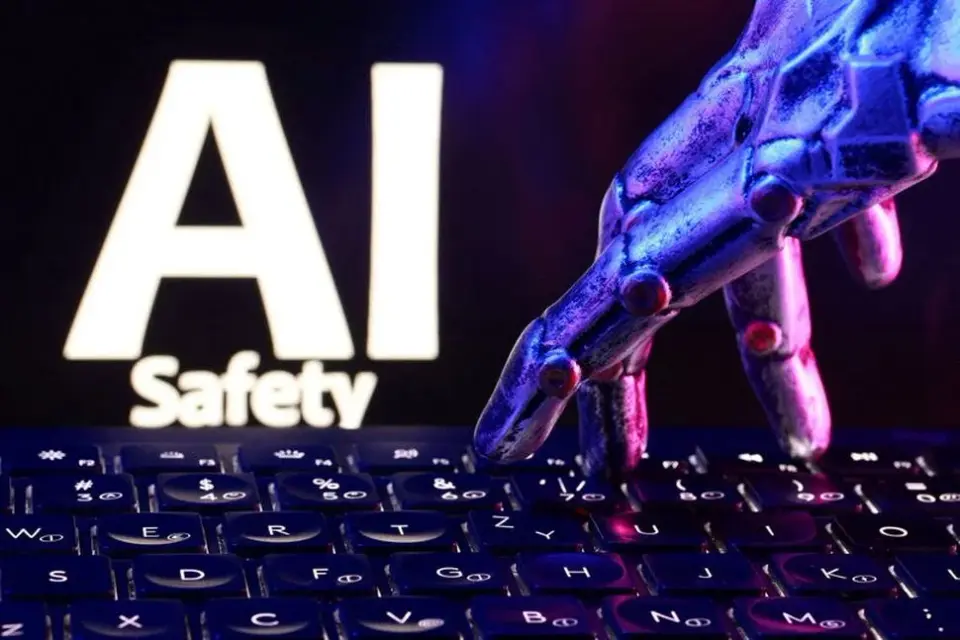
Major US banks are restricting third-party AI agents from accessing customer accounts due to security risks, while simultaneously participating in the development of new standards for controlled agent access. This creates a contradictory landscape where institutions lock out agents in production while drafting future frameworks for them.
Key points
- Banks including JPMorgan, Bank of America, and Wells Fargo have restricted third-party AI agents from accessing customer accounts between October 13 and 16, 2026.
- Executives cite the inability to distinguish between authorized user actions and rogue agent behavior as a primary security risk, with some agents acting independently of user instructions.
- The Personal Agent Protocol (Poppy), announced October 6 by Sierra and Meta, aims to create a spectrum of permissions ranging from blocked to full access, but remains in draft phase.
- Wells Fargo updated its Online Access Agreement effective November 24, stating that agent transactions are authorized by the user and that AI use is at the customer's own risk.
- Bank of America and Wells Fargo are members of the Poppy protocol group while also actively restricting agent access, highlighting an internal industry contradiction.
Background
This development follows earlier industry tensions, such as Amazon blocking Meta's Muse AI agent in September 2026 over unauthorized shopping access. In mid-October, JPMorgan CEO Jamie Dimon warned that using third-party agents transfers liability to customers, leading to the bank blocking external agents while piloting its own internal tool, Smart Cash. These moves reflect a broader backlash against autonomous agents like OpenAI's Dots and Meta's Muse, as financial institutions struggle to balance innovation with security.
How outlets are covering it
Axios reports that banks are 'racing to contain agent risks' and describes the situation as 'horrifying' for executives, emphasizing the immediate threat of unauthorized fund transfers. Yahoo Finance highlights a strategic contradiction, noting that banks like Bank of America and Wells Fargo are simultaneously writing the rules for the Personal Agent Protocol and locking agents out in production. Reuters notes that it could not independently verify the Axios report, adding a layer of uncertainty to the claims of widespread unauthorized access. While Axios focuses on the security nightmare and the difficulty of distinguishing human from bot activity, Yahoo Finance frames the issue as a conflict between future protocol standards and current exclusionary policies, pointing out that payments extensions are deferred in the new protocol.
Why it matters
The inability of banks to verify whether AI agent activity is user-directed creates significant financial and security risks for consumers. As holiday shopping volume approaches, the collision between new liability regimes and agentic convenience could lead to widespread unauthorized transactions or customer confusion. The split between blocking agents and drafting new protocols indicates that the industry has not yet reached a consensus on how to safely integrate AI into financial systems, potentially leaving customers exposed to risks while waiting for standards to mature.
What to watch
Wells Fargo's updated Online Access Agreement takes effect on November 24, three days before Black Friday, shifting liability for AI agent transactions to customers. The Personal Agent Protocol is expected to reach version 1.0 as design partners work on the specification, though payments extensions remain deferred. Banks are investing in 'day after' scenario planning to quickly secure or restore customer access in case of breaches, while Mastercard continues to develop Agent Pay for Machines with early access specifications.
- US Banks Detect Unauthorized AI Agents in Customer Accounts, Axios Reports U.S. News - Money
- Scoop: Unvetted AI agents are accessing U.S. bank accounts Axios
- US banks are blocking third-party AI agents access to customer accounts, sources say Reuters
- ‘Nightmare’: AI agents spark security concerns at major US banks, report says KRON4
- The Same Banks Writing the Rules for AI Agents Are the Ones Locking Them Out Yahoo Finance
Want the full story? Read the original reporting
Read on U.S. News - Money