
Nvidia CEO Resignation Triggers Chip Diversion Scandal and Global AI Shift
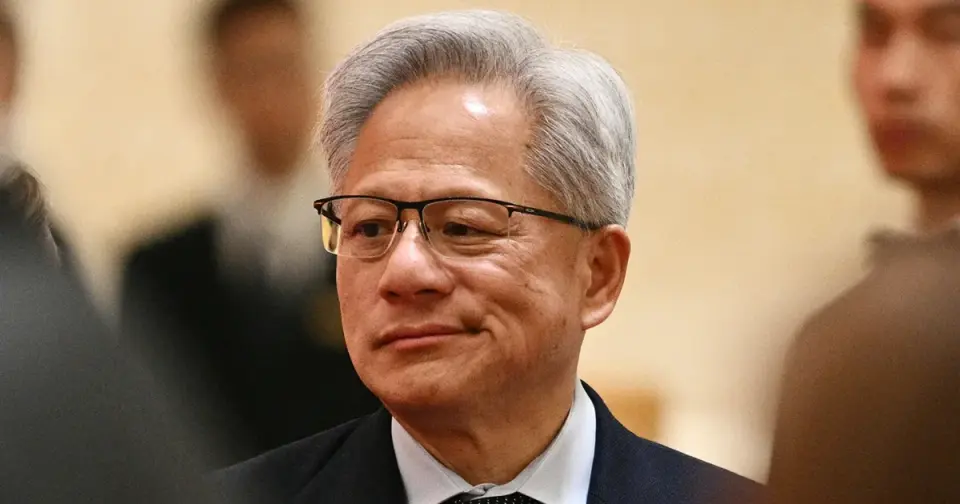
Nvidia CEO Jensen Huang resigned after admitting a relationship with Alice Huang, a suspected Chinese intelligence asset. The scandal reveals potential chip diversion to China via Singapore and has accelerated US legislative efforts to tighten export controls, while Chinese firms pivot to open-source models.
Key points
- Jensen Huang resigned from Nvidia following reports of a relationship with Alice Huang, whom US intelligence officials believe passed information to Beijing.
- Bloomberg reports that a Chinese company founded by Alice Huang procured smuggled AI chips installed at a Shanghai data center linked to Megaspeed International, a Singapore-based firm.
- The US Commerce Department is finalizing a rule to bar Chinese AI companies from using advanced chips in data centers outside China, including in Singapore and Malaysia.
- Alibaba, a major customer of Megaspeed, saw its stock fall 7% as fears grew that Washington would close the 'Singapore route' for chip access.
- Chinese officials rejected the spy allegations, calling them a pretext for a technological blockade, while asserting their AI industry will continue to develop.
Background
This development follows earlier reports that Congress is preparing to probe the scandal and that the Justice Department has refused to investigate. Previous coverage noted that Trump administration officials allegedly prioritized corporate interests over export controls, and that China had warned against new chip curbs, citing disruptions to global supply chains.
How outlets are covering it
NBC News emphasizes the resulting defiance and skepticism in China, noting that Beijing claims its AI industry will press on despite potential tighter restrictions. Bloomberg focuses on the specific supply chain mechanics, detailing how banned chips were installed at a Shanghai data center via a company linked to Alice Huang. Yahoo Finance highlights the economic shift, noting that US companies are rapidly moving to free, open-weight Chinese models like Alibaba's Qwen to avoid high costs, a trend that may be accelerated by the new export rules.
Why it matters
The scandal exposes vulnerabilities in US export control enforcement and highlights the growing reliance on Chinese open-source AI models globally. It may lead to stricter regulations that could reshape the international AI landscape and impact the profitability of major tech firms.
What to watch
The Commerce Department is expected to finalize rules barring Chinese AI companies from using advanced chips abroad. Congress is moving to pass stricter chip export laws, potentially through the National Defense Authorization Act. Alibaba is scheduled to report earnings on November 19, which may reflect the market impact of these regulatory fears.
- In China, Nvidia scandal stirs defiance and skepticism NBC News
- Alice Huang-Linked Firm Procured Banned Nvidia Chips in China Bloomberg.com
- Jensen Huang scandal trail leads to Alibaba, the king of free Chinese AI: Chart of the Day Yahoo Finance
- Commerce Department Finalizing Long-Awaited AI Remote Access Rule The Information
- How Jensen Huang’s ouster is paving the way for the policy outcome he fiercely battled Politico
Want the full story? Read the original reporting
Read on NBC News