
SpaceX circumvents Brownsville moratorium with $24B Starbase data center plan
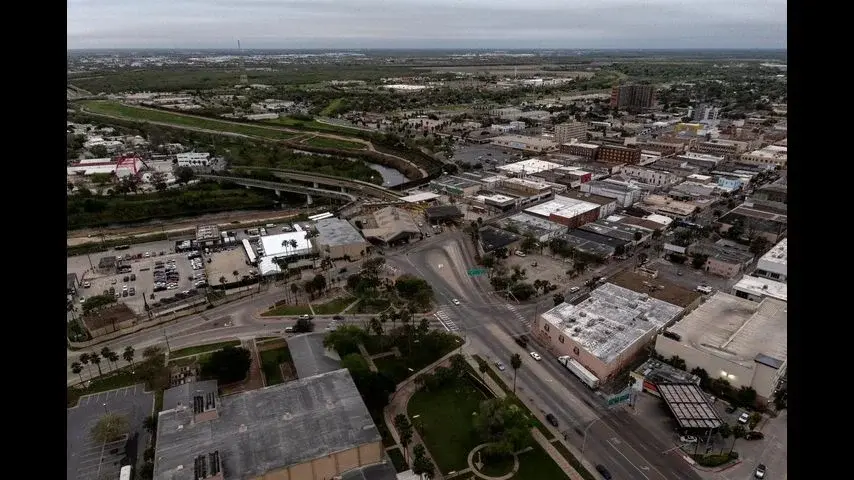
SpaceX has announced a $24 billion plan to build a gas-fired power plant and super-compute facility in Starbase, Texas. The project utilizes 444.45 acres of land recently de-annexed from Brownsville, effectively bypassing a new 90-day local moratorium on data centers. While the move secures the site for SpaceX, it has intensified political and environmental debates regarding energy use and water scarcity in the Rio Grande Valley.
Key points
- SpaceX plans to invest $24 billion in a gas-fired power plant and super-compute facility in Starbase, Texas, covering initial phases that may include future expansions.
- The project is located on 444.45 acres of land that SpaceX requested Brownsville to de-annex earlier in 2026, a move that allowed the company to avoid Brownsville’s new 90-day data center moratorium.
- In exchange for the de-annexation, SpaceX offered $220 million for Brownsville’s water and wastewater infrastructure, a deal that drew criticism from residents and environmental activists.
- The Starbase City Commission is scheduled to hold a public hearing on December 9 to consider a property tax abatement for the project.
- The development occurs amid a statewide shift in political power, with Governor-elect Gina Hinojosa pledging to ban data center approvals until new protective laws are passed.
Background
This development follows a significant political shift in Texas after the 2026 midterm elections, where Democratic candidates won the governorship and a Senate seat largely due to voter backlash against AI infrastructure. Previous coverage highlighted that 56% of Texas voters oppose local data center construction, citing concerns over water scarcity and rising utility bills. While outgoing Governor Greg Abbott attempted to pause grid connections and permit issuances, critics noted that some projects continued to advance. The current situation reflects the tension between local municipal actions and state-level regulatory efforts to control the rapid expansion of AI facilities.
How outlets are covering it
The Texas Tribune and USA Today emphasize the strategic maneuvering by SpaceX to bypass local restrictions, highlighting the de-annexation of land from Brownsville as a key factor in circumventing the moratorium. Yahoo Finance frames the project within the broader context of Musk’s AI ambitions and the financial risks posed by the new Democratic leadership in Texas, noting that while Hinojosa and Senator-elect James Talarico have reservations about data centers, they have expressed willingness to work with Musk. Local perspectives are divided; the South Texas Environmental Justice Network is organizing protests over potential pollution and water usage, while residents like Janie Melendez support the project for its job creation and property value benefits. Brownsville officials defended the de-annexation as a necessary transaction for water infrastructure, stating they acted based on the information available at the time.
Why it matters
The SpaceX project illustrates the growing conflict between private tech interests and public policy regarding AI infrastructure. By securing land outside of moratorium zones and planning its own power generation, SpaceX may set a precedent for bypassing state and local restrictions. This move could influence how other developers navigate the new regulatory landscape under Governor-elect Hinojosa, potentially testing the limits of the proposed state-wide ban on data center approvals.
What to watch
The Starbase City Commission will hold a public hearing on December 9 to decide on the property tax abatement for the project. Additionally, Governor-elect Gina Hinojosa is expected to issue a ban on data center approvals upon taking office, pending the passage of new protective legislation by the state legislature. The outcome of the hearing and the subsequent state-level regulations will determine whether the $24 billion project proceeds as planned or faces significant delays.
- SpaceX to build $24 billion data center in South Texas, sidestepping moratorium KRGV
- SpaceX to invest over $74 billion in supercompute facilities in Texas, Arizona Reuters
- SpaceX eyes $24B data center near in South Texas as state weighs rules USA Today
- SpaceX plans $24 billion data center project in Starbase The Texas Tribune
- Elon Musk's SpaceX Reportedly Plans $24 Billion Gas-Fired Power Plant and AI Data Center In Texas Yahoo Finance
Want the full story? Read the original reporting
Read on KRGV