
Meta’s $16.7B settlement imposes teen usage limits but leaves major litigation unresolved
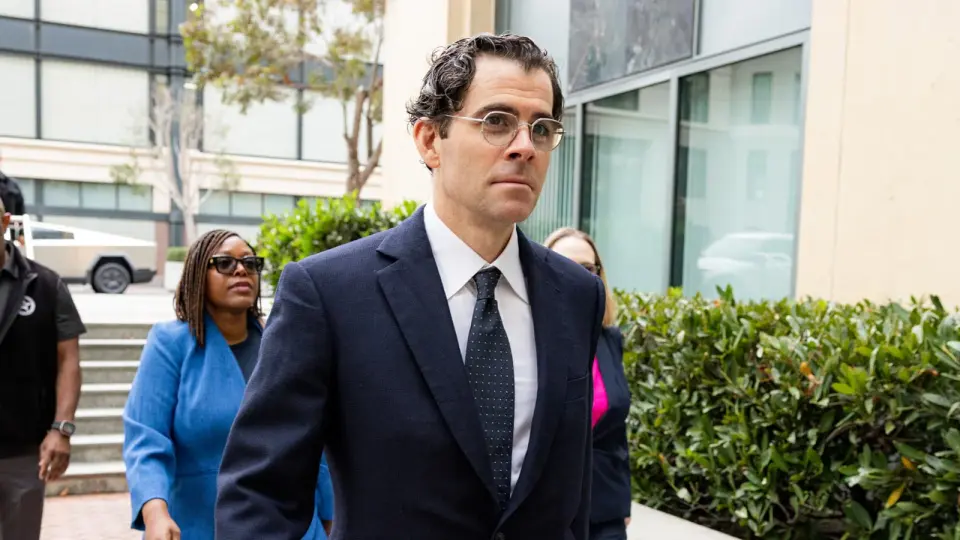
Meta has agreed to a $16.7 billion settlement with 51 state attorneys general to resolve a federal case alleging its platforms harmed youth mental health. The deal requires the company to implement daily usage caps, nighttime blocks, and enhanced age verification for users under 18. While California AG Rob Bonta called it a 'floor' for industry standards, critics argue the payout is insufficient given Meta’s market cap, and separate lawsuits from school districts and individuals remain pending.
Key points
- Meta will pay $16.7 billion, with participating states receiving approximately $12.7 billion over ten years for public health programs.
- The consent judgment mandates 2-hour daily limits, midnight-to-6am blocks, and chronological feed options for teen users on Facebook and Instagram.
- Meta did not admit liability but agreed to change platform practices, including hiding like counts and limiting notifications during school hours.
- Florida and Texas did not join the main settlement; Florida AG James Uthmeier criticized the payout as too low, while Texas agreed to a separate $1 billion deal.
- Additional litigation continues, including a multidistrict personal injury case and a federal suit from school districts, which attorneys say they will pursue to the end.
Background
This settlement follows a trial that began in August 2026 in Oakland, California, where 29 states initially accused Meta of designing addictive features to exploit teenagers. The case was part of a broader wave of state-led actions against tech giants, including earlier subpoenas and antitrust negotiations involving other major platforms. The current agreement is viewed by some as a potential model for future regulations affecting competitors like TikTok and YouTube.
How outlets are covering it
Outlets diverge on the settlement's significance. The Atlantic framed the $12 billion payout as a 'win' for Meta, noting it avoided the $200 billion sought by states and admitted no guilt. Conversely, CNBC and Politico emphasized the ongoing legal risks, with CNBC highlighting that the settlement is not preemptive and leaves Meta exposed to further suits. Florida AG James Uthmeier, cited by CNBC, called the payout a 'win' for Meta, arguing it was too small for a company of its size. Meanwhile, attorney Jayne Conroy, quoted by CNBC, described the settlement as 'gigantic' and a recognition that Meta must change its practices, potentially forcing other companies to follow suit. Politico noted Meta is actively trying to 'shame' competitors into adopting similar safety standards.
Why it matters
The settlement establishes a new regulatory baseline for social media safety, potentially forcing industry-wide changes to how platforms engage with minors. It also highlights the limits of state-led litigation, as significant civil liability remains from separate personal injury and school district cases, suggesting the legal battle over social media's impact on youth is far from over.
What to watch
Meta must implement the required platform changes, including age assurance measures and usage limits, as approved by the federal court. Participating states will distribute the funds over a decade. Meanwhile, litigation from school districts and individual plaintiffs in the multidistrict case will proceed, and Meta has publicly urged TikTok and Google to adopt similar standards to avoid further legal action.
Want the full story? Read the original reporting
Read on CNBC