
EU Launches €30 Billion AI Gigafactory Plan to Rival US and China
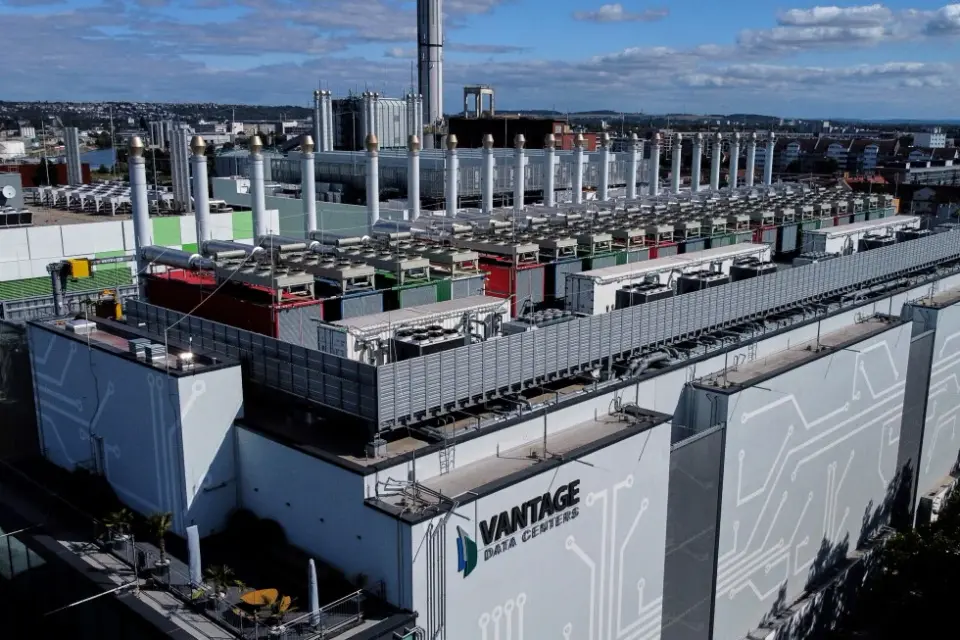
The European Commission has opened a call for tenders to build up to seven AI 'gigafactories' across the EU, aiming to close the technological gap with the US and China. The initiative, originally announced in February 2025, now involves a total investment of €30 billion, with €5 billion from the EU budget, €5 billion from member states, and €20 billion from private partners. Construction is expected to begin in early 2027, with facilities operational by mid-2028. The move seeks to reduce reliance on foreign chip suppliers and cloud services, though critics note delays and continued dependence on US technology.
Key points
- The EU Commission launched a tender process on July 30, 2026, for seven AI megafactories, expanding from the initial plan of five.
- Total funding is €30 billion: €5 billion from the EU, €5 billion from member states, and €20 billion from private investors.
- 76 potential consortia have expressed interest, with ten countries (including Germany, France, and Italy) vying to host facilities.
- Construction starts in early 2027, with operational targets for mid-2028, split into two phases over 6.5 years.
- The EU remains dependent on US chipmakers like Nvidia, AMD, and Qualcomm, despite signing memoranda of understanding to mitigate lock-in effects.
Background
This initiative follows the AI Action Summit in Paris in February 2025, where Commission President Ursula von der Leyen first proposed the gigafactory concept. It aligns with broader EU efforts to boost digital sovereignty amid growing competition from US and Chinese AI infrastructure. Recent trends show Chinese open-source models gaining traction due to lower costs, intensifying the urgency for Europe to develop its own high-performance computing capabilities.
How outlets are covering it
AP News emphasizes the €10 billion public push as a strategic move to catch up with global rivals. Le Monde highlights the budget uncertainty and environmental compliance challenges, noting the shift from a €20 billion to a €30 billion total with heavy private reliance. Euronews focuses on the delays and the paradox of seeking sovereignty while remaining dependent on US chip suppliers, criticizing the Commission for slowing the pace despite urgent rhetoric.
Why it matters
The gigafactory plan is a critical step for the EU to establish technological independence in AI, reducing reliance on US and Chinese infrastructure. Success could position Europe as a major player in AI development, but challenges in funding, supply chains, and execution remain significant hurdles.
What to watch
The Commission will evaluate tender proposals from the 76 interested consortia. Construction is set to begin in early 2027, with the first phase of facilities operational by mid-2028. The outcome will depend on the resolution of the next Multiannual Financial Framework (MFF) and the ability to secure private investment and chip supply agreements.
- EU lays out $11.4 billion for 7 AI gigafactories as it aims to catch up with US and China AP News
- EU Opens Call for Creation of Local AI Gigafactories WSJ
- AI: Europe commits €5 billion to fund seven megafactories and catch up with the US and China Le Monde.fr
- EU Pledges €10 Billion in Public Funding for New AI Data Centers Bloomberg.com
- EU opens call for seven 'gigafactories' to train AI technologies Euronews.com
Want the full story? Read the original reporting
Read on AP News