Tag

Digital Sovereignty

All articles tagged with #digital sovereignty

France pivots to a homegrown AI backbone, dropping Palantir
world27 days ago

France pivots to a homegrown AI backbone, dropping Palantir

France will replace Palantir’s AI data tools used by the DGSI with the French firm ChapsVision to avoid strategic dependency on foreign tech. The switch will take years, following a Palantir contract renewal in 2025, as Paris plans a €655m AI investment including a shared state chatbot and an Ameli health-insurance bot. Palantir says it will continue to support France as European leaders scrutinize US-controlled AI tools, and ChapsVision is also being adopted by Germany’s BfV as a foundation for public-sector data processing.


EU's Sovereignty Drive Rewrites Public Tech Buying with New Rules and Open-Source Push
technology1 month ago

EU's Sovereignty Drive Rewrites Public Tech Buying with New Rules and Open-Source Push

The EU’s Technological Sovereignty Package aims to boost digital autonomy across cloud, AI, semiconductors, and open source, introducing auditable Union Assurance Levels and other frameworks that public-sector buyers must navigate. Gartner warns this will create an “alphabet soup” of overlapping rules (SEAL, C3A, SecNumCloud, CADA) as Europe plans to triple datacenter capacity and favor European-developed, secure workloads. The package also strengthens open-source strategies and a revamped Chips Act to reduce reliance on non-EU suppliers, potentially reshaping tech procurement beyond Europe.

Europe’s Quiet Breakup with Big Tech Gains Momentum
technology1 month ago

Europe’s Quiet Breakup with Big Tech Gains Momentum

Europe is accelerating a shift away from US Big Tech toward open-source and local alternatives, driven by digital-sovereignty concerns and policy tensions with the US. The trend spans EU plans to rely less on US tech, France switching to Qwant and LaSuite, Euro-Office, and governments moving from Microsoft Office/Google Docs, with projects like Eurosky and other national data strategies. While US firms still dominate Europe’s tech stack, officials say the aim is greater data control and independence, not a total break.

France pivots to sovereign Linux across 2.5 million government PCs
technology3 months ago

France pivots to sovereign Linux across 2.5 million government PCs

France will replace 2.5 million Windows desktops with a Linux-based FranceOS built on the GendBuntu distro, using a unified open-source suite—the La Suite Numérique (Tchap, Visio, Docs, Grist, Fichiers, Messagerie, France Transfert)—and sovereign EU hosting to cut dependency on US software. Led by DINUM, the plan standardizes on Ubuntu 26.04/7.0 with Wayland, GNOME 50, and familiar open-source apps, plus ProConnect SSO and external interoperability with MS 365/Google Workspace, aiming for completion by 2027 and potentially saving tens of millions of euros as part of a broader push for digital sovereignty.

France tightens digital sovereignty with Linux-first government desktops
technology-policy3 months ago

France tightens digital sovereignty with Linux-first government desktops

France’s DINUM ordered a Linux migration for its own desktops and mandated every ministry to draft autumn 2026 plans to cut dependence on non-European tech, expanding a sovereignty push that already includes replacing Teams/Zoom with a domestic platform (Visio) for 2.5 million civil servants by 2027. The move leverages La Suite Numérique and the Gendarmerie’s successful 103,000-seat Linux rollout as a governance model, while acknowledging open questions about software compatibility and the lingering dominance of non-European cloud infrastructure. The broader context is Europe’s bid for cloud and compute sovereignty amid strong US dominance.

France Bets on Linux for All Government Desktops in Sovereignty Push
technology3 months ago

France Bets on Linux for All Government Desktops in Sovereignty Push

France’s DINUM announces a switch of government desktops from Windows to Linux as part of a digital-sovereignty strategy; every ministry must submit an implementation plan by autumn 2026 addressing desktop systems, collaboration tools, security, AI, databases, virtualization, and networking, with distribution choices to come—signaling a broad interministerial shift beyond a pilot.

France bets on homegrown Visio to replace Teams and Zoom
technology5 months ago

France bets on homegrown Visio to replace Teams and Zoom

France will replace Microsoft Teams and Zoom with its domestically developed Visio platform for all government departments by 2027, as part of the Suite Numérique to boost digital sovereignty. Visio, currently tested with about 40,000 users and hosted on a sovereign cloud, aims to reduce reliance on US software and cut licensing costs, potentially saving around €1 million per year per 100,000 users.

VMware Enhances Cloud Foundation with AI, Security, and Storage Upgrades
technology1 year ago

VMware Enhances Cloud Foundation with AI, Security, and Storage Upgrades

Broadcom has announced new and expanded services for VMware Cloud Foundation at VMware Explore 2024 in Barcelona, focusing on accelerating AI, enhancing cybersecurity, and supporting digital sovereignty. The updates include VMware Tanzu Data Services for streamlined data management, VMware Live Recovery for improved disaster recovery, and a new VMware vDefend Advanced Service with GenAI-based threat assistance. Broadcom is also expanding its Private Cloud Modernization Program and offering new certifications to support private cloud transitions. These initiatives aim to provide scalable, secure, and resilient cloud solutions for enterprises.

German State Switches to Open-Source Software, Ditches Microsoft
technology2 years ago

German State Switches to Open-Source Software, Ditches Microsoft

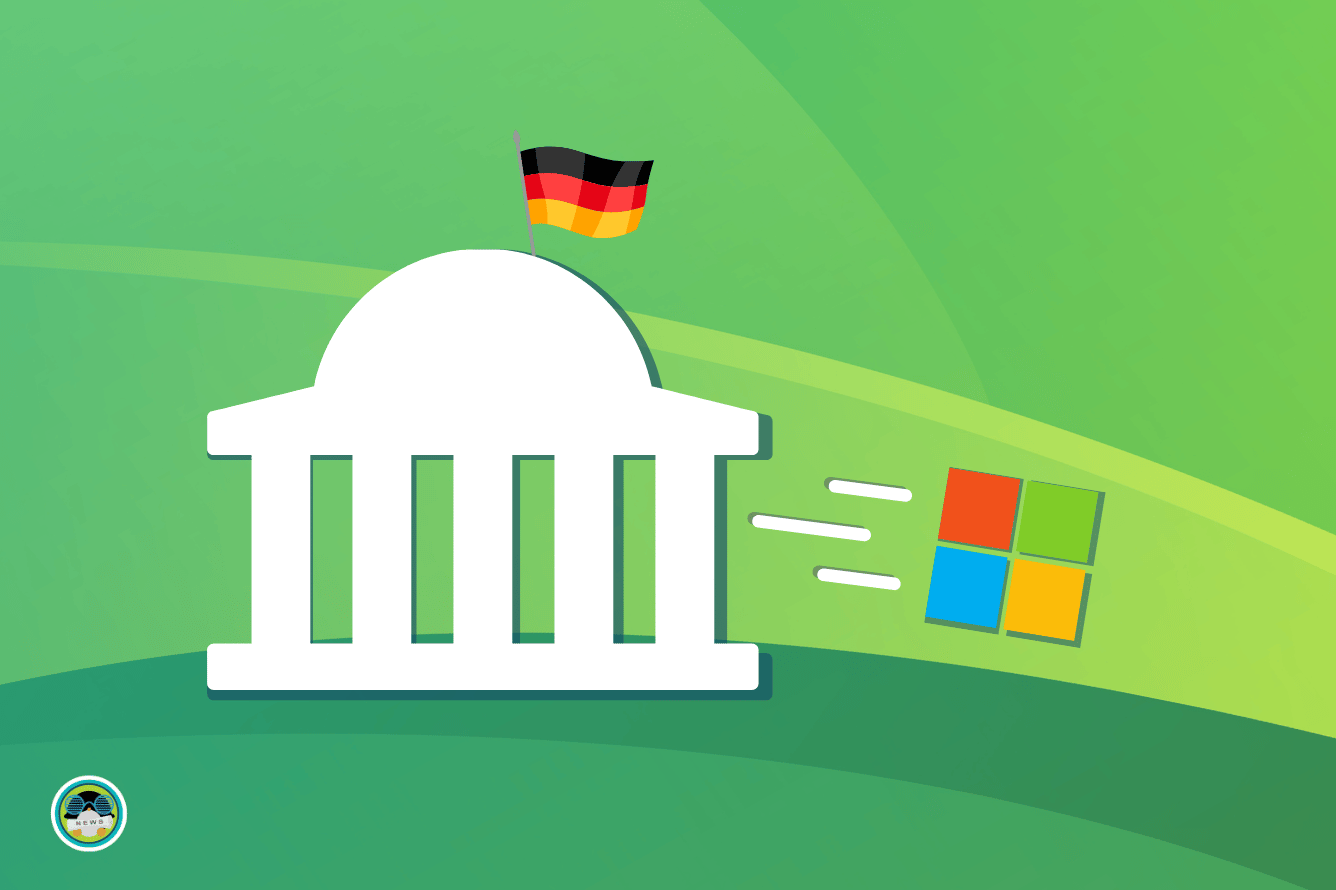
The German state of Schleswig-Holstein is making a significant move towards open-source software by replacing Microsoft Office with LibreOffice and planning to switch from Windows to Linux for its approximately 30,000 employee's PCs. They are also transitioning to open-source services for collaboration and aiming for digital sovereignty by reducing the influence of non-EU tech companies. This shift reflects a growing trend of governments and organizations seeking to break free from vendor lock-in and promote open-source solutions.