
Global Battery Race Intensifies as China Sets 2030 Solid-State Goals and Korea Struggles with Subsidy Gaps
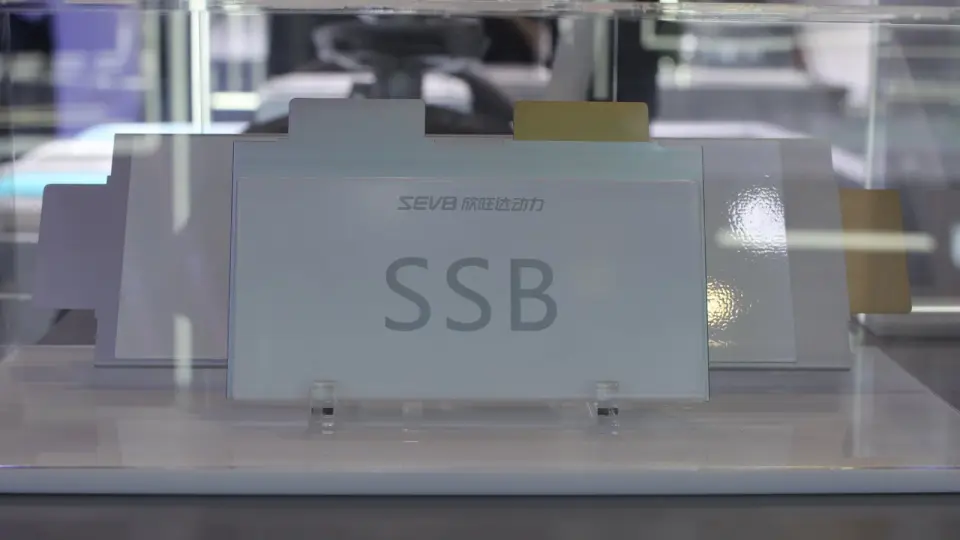
China’s new five-year plan targets large-scale all-solid-state battery use by 2030, while South Korea unveils a massive R&D roadmap to counter Chinese dominance. However, critics argue Korea’s current tax credits fail to support loss-making firms, risking a widening technological gap.
Key points
- China’s Ministry of Industry and Information Technology released a 2026-2030 battery plan prioritizing all-solid-state and sodium-ion technologies.
- The Chinese plan aims for initial large-scale solid-state deployment by 2030 and 15,000 charge-discharge cycles for long-life lithium batteries.
- South Korea announced a battery technology roadmap on September 22, targeting 220Wh/kg sodium batteries by 2030 and full solid-state commercialization.
- Korean government and private sectors committed to approximately 8.4 trillion won in combined R&D and facility investments by 2030.
- Chungcheongbuk-do province pledged 483 billion won to become a global battery hub, aiming to attract 170 companies and create 17,500 jobs by 2030.
Background
This development follows China’s September 2026 intelligent connected vehicle plan, which targets a 70% market share for new energy vehicles by 2030. It also follows earlier industry discussions regarding the challenges of mass-producing solid-state batteries, as noted by CATL in June 2026.
How outlets are covering it
CnEVPost highlights China’s aggressive state-led roadmap, emphasizing specific technical metrics like parts-per-billion defect rates and the consolidation of the industry through mergers. SBS News focuses on South Korea’s defensive strategy, framing the new roadmap as a necessary response to Chinese price competitiveness in lithium iron phosphate batteries. In contrast, Seoul Economic Daily offers a critical perspective, arguing that Korea’s new production tax credits are ineffective for battery makers currently operating at a loss, unlike the direct subsidies provided by the U.S. and China. JKN provides a regional perspective, detailing Chungcheongbuk-do’s specific financial commitments to support the national strategy.
Why it matters
The divergence in industrial policy approaches highlights the intensifying global competition for battery technology leadership. While China and the U.S. utilize direct subsidies and massive state planning, South Korea’s reliance on tax credits may leave its manufacturers vulnerable during a critical transition period. The success of these 2030 targets will determine which nations dominate the next generation of electric vehicle and energy storage infrastructure.
What to watch
Investors and policymakers will monitor the execution of Korea’s 8.4 trillion won investment roadmap and whether the government adjusts its tax policies to support loss-making firms. In China, the focus will shift to the commercialization of solid-state electrolytes and the integration of sodium-ion batteries into the supply chain. The next 12 months will likely see increased M&A activity in China and new facility announcements in South Korea’s Chungcheongbuk-do region.
- China unveils 5-year battery plan targeting large-scale all-solid-state use by 2030 CnEVPost
- South Korea Seeks to Regulate Battery Market Leadership... Government Focuses Support on Sodium and Solid-State Batteries news.sbs.co.kr
- Chungcheongbuk-do Declares Ambition to Lead Global Secondary Battery Market by 2030, Backed by ₩483 Billion Investment 재경일보
- Korea's Battery Support Plan Offers Little to Loss-Making Firms Seoul Economic Daily
- China Rolls Out First National Five-Year Plan for Battery Industry; Seven Ministries Push All-Solid-State Battery Commercialization finance.biggo.com
Want the full story? Read the original reporting
Read on CnEVPost