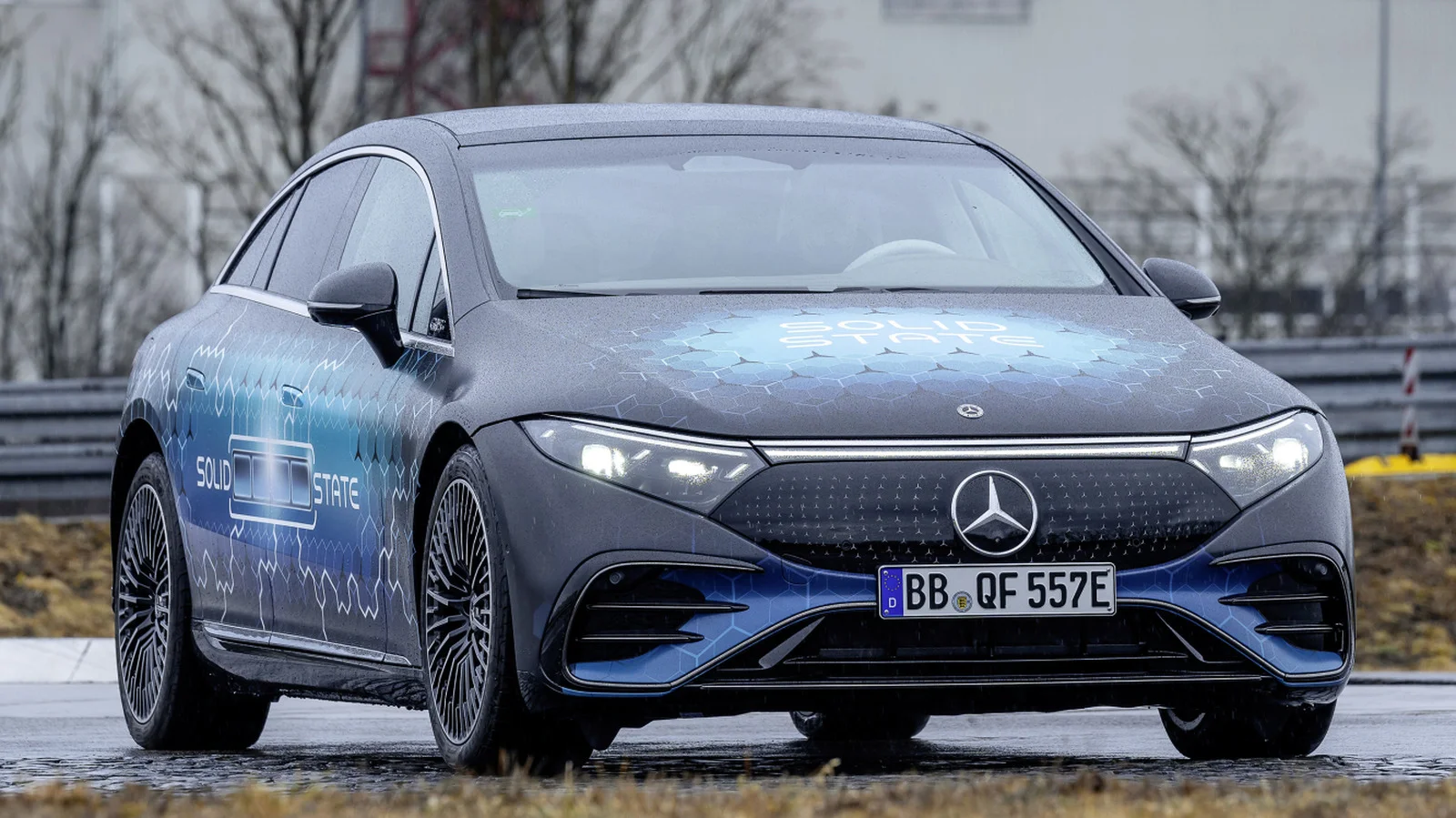
NASA’s SPEARS project has demonstrated solid-state batteries that withstand extreme lunar cold without damage, offering potential safety and efficiency improvements for terrestrial electric vehicles and grid storage.
NASA's SPEARS project has successfully tested solid-state batteries that withstand temperatures as low as -170°C without damage, a critical step for lunar missions. While these cells operate effectively between -60°C and 80°C, they cannot generate power at extreme lunar night temperatures, requiring intermittent heating. The technology aims to replace heavy thermal management systems with lighter, solid electrolytes, though it remains in the prototype phase and faces competition from other solid-state designs.
China’s new five-year plan targets large-scale all-solid-state battery use by 2030, while South Korea unveils a massive R&D roadmap to counter Chinese dominance. However, critics argue Korea’s current tax credits fail to support loss-making firms, risking a widening technological gap.
A Tsinghua University team reports a solid-state battery using a lithium-rich manganese oxide cathode with a tailored polymer electrolyte, achieving about 604 Wh/kg and 1,027 Wh/L energy density—roughly doubling today's EV cells. The lab results also show over 500 cycles of capacity retention and a nail-penetration safety test, and the work is published in Nature. While this signals a potential path to twice-range or half-weight EV batteries, significant scale-up and manufacturing hurdles remain before it can be used in cars; other players are pursuing similar solid-state approaches, and the relocation from lab to production will take years.
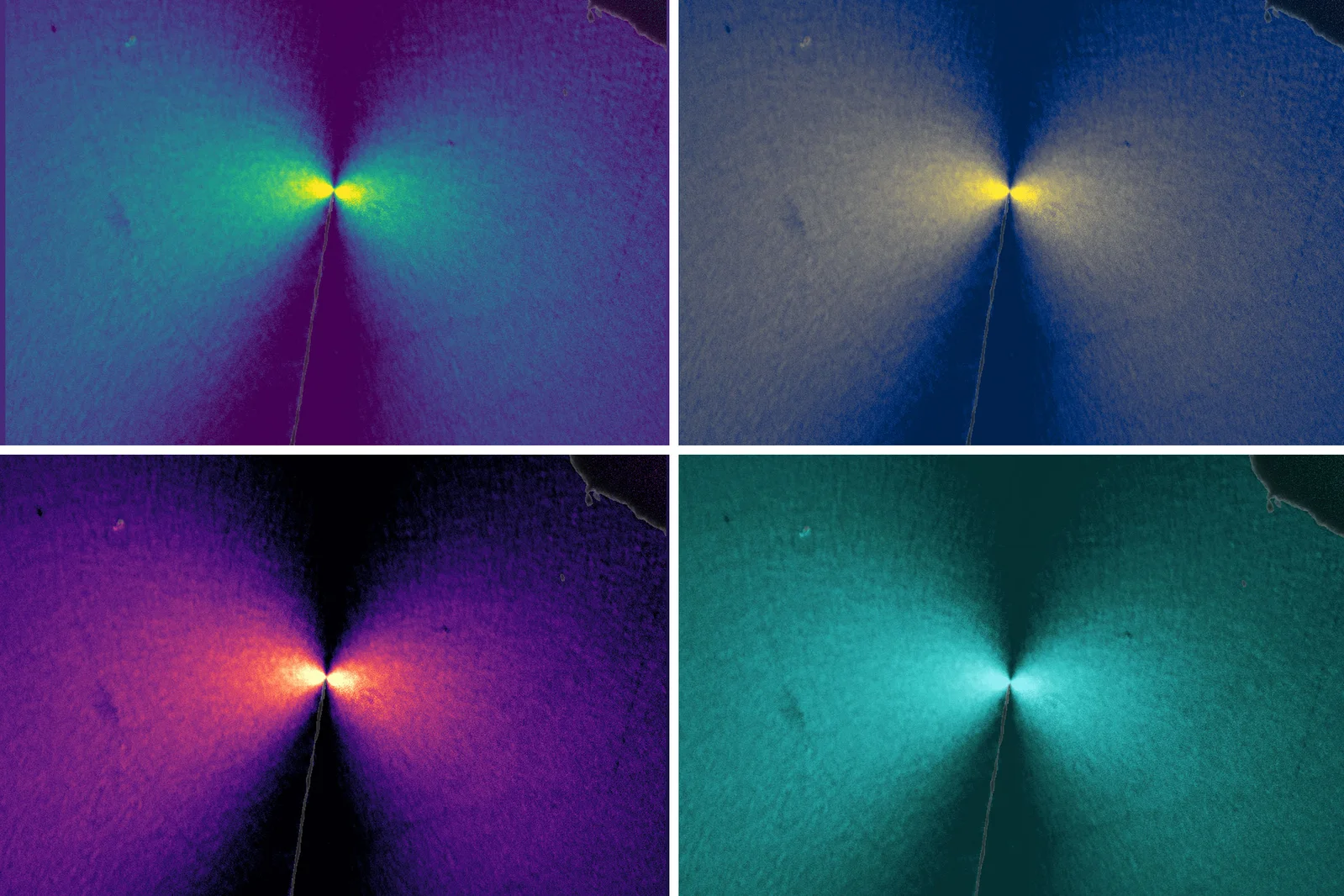
MIT researchers reveal that chemical reactions at high currents weaken solid-state electrolytes, enabling dendrite growth at unexpectedly low stress. Using birefringence microscopy and cryogenic imaging, they show embrittlement—not just mechanical stress—limits solid-state batteries and suggest that safer, higher-energy storage will come from chemically stable, tougher electrolytes rather than simply stronger ones.
A Nature study on LLZO-based solid electrolytes shows dendrites propagate at stresses far below the mechanical fracture threshold, with plating-induced stresses present during growth; as current density rises, dendrite velocity increases while the stress required for propagation decreases (up to 75% lower than under purely mechanical loading). Cryogenic STEM reveals electrochemically induced electrolyte decomposition and molar-volume changes, indicating an electrochemical embrittlement mechanism that could be mitigated by controlling the phase transitions accompanying instability.
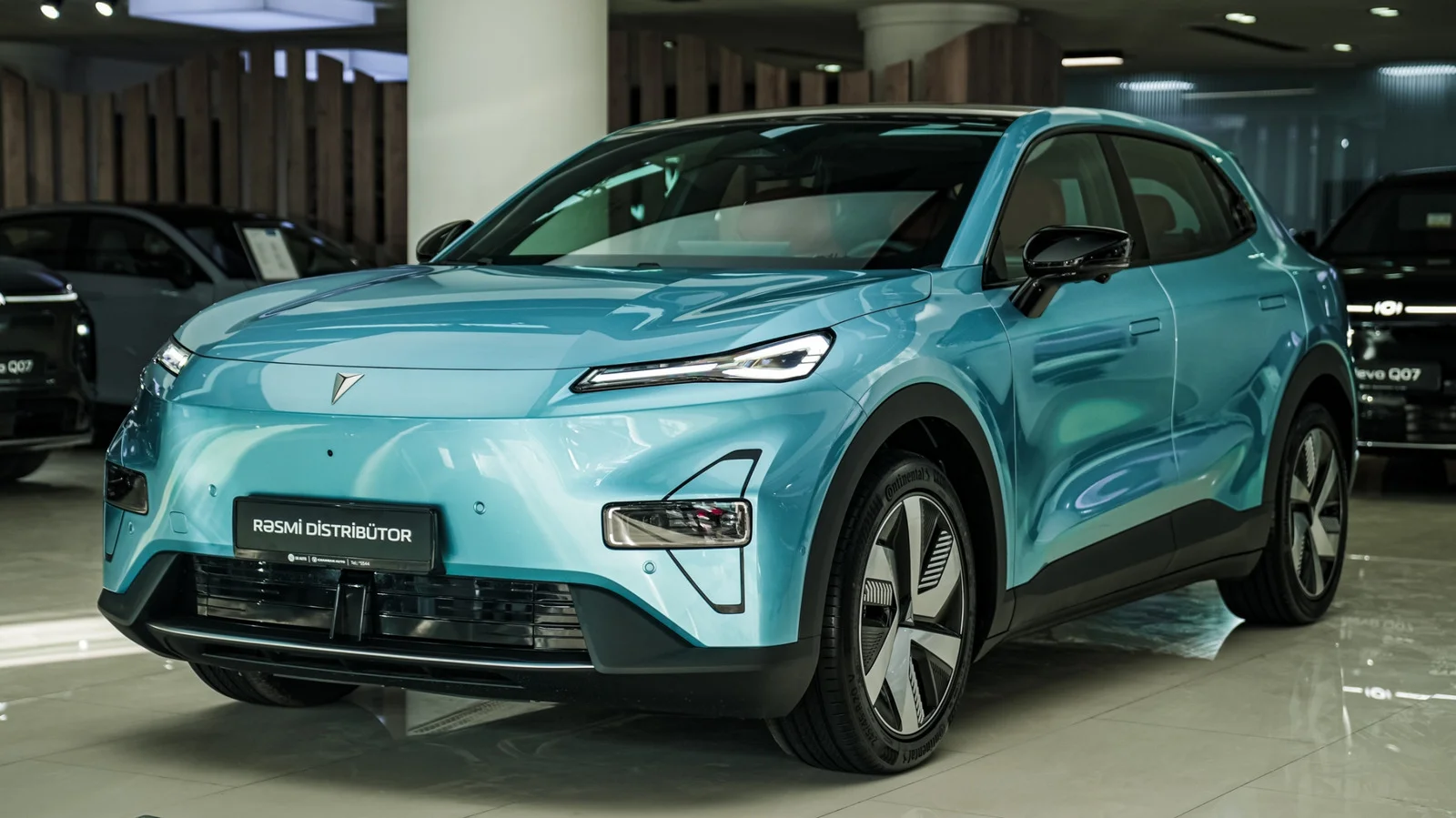
China’s Changan and GAC are planning 2026 road trials of solid-state batteries in electric cars, with Changan claiming 400 Wh/kg energy density and up to 1,500 km per charge, and GAC aiming to deploy the tech in its Hyptec SUV by year’s end. The move is part of broader work on solid-state chemistries—including sodium-based Naxtra variants—promising higher energy density, safer non-liquid electrolytes, and faster charging (potentially around 12 minutes 0-80%). While solid-state tech eyes quicker adoption, Li-ion batteries are expected to persist during the transition, with researchers reporting even higher densities in some lab-developed chemistries.,
Solid-state batteries swap a liquid electrolyte for a solid one in EV cells, promising safety and higher energy density but face major hurdles before mass production: higher overall lithium demand and costs, risk of dendrite-caused short circuits and thermal runaway (with even non‑lithium options like sodium-ion as alternatives), stringent manufacturing tolerances and interfacial resistance at the cathode–electrolyte–anode interfaces, brittle ceramic separators prone to cracking, and thermal-management challenges since solid electrolytes don’t dissipate heat as easily as liquids.
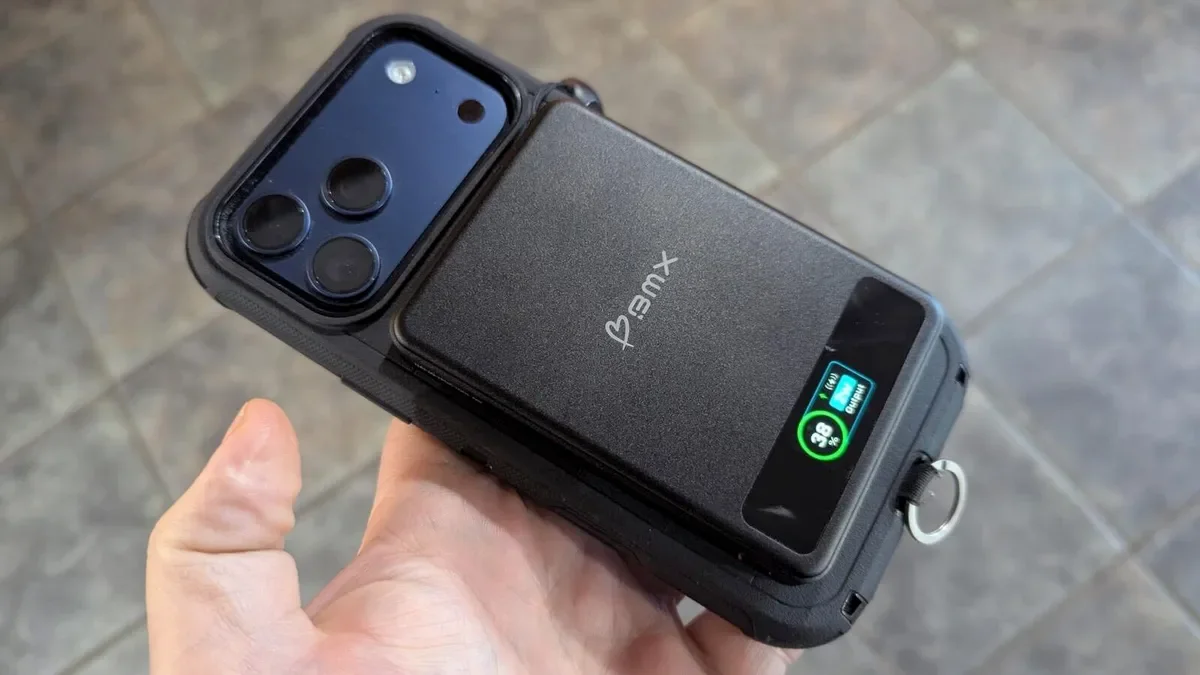
ZDNET reviews BMX SolidSafe 5K, a 5,000 mAh wireless power bank that uses solid-state cells to reduce flammability compared with lithium-ion. It supports up to 15W wireless charging via Qi2, includes a USB-C port with 20W output/15W input, and offers pass-through charging, plus a built-in USB-C–to–USB-C cable in the included lanyard and a clear power display. Priced at $79.99, it’s more expensive than typical packs, but advocates safety and future solid-state adoption—though lithium-ion’s low cost and high energy density mean solid-state isn’t poised to replace it yet. The reviewer even notes a controlled safety test where the pack emitted smoke when punctured, underscoring cautious handling.)
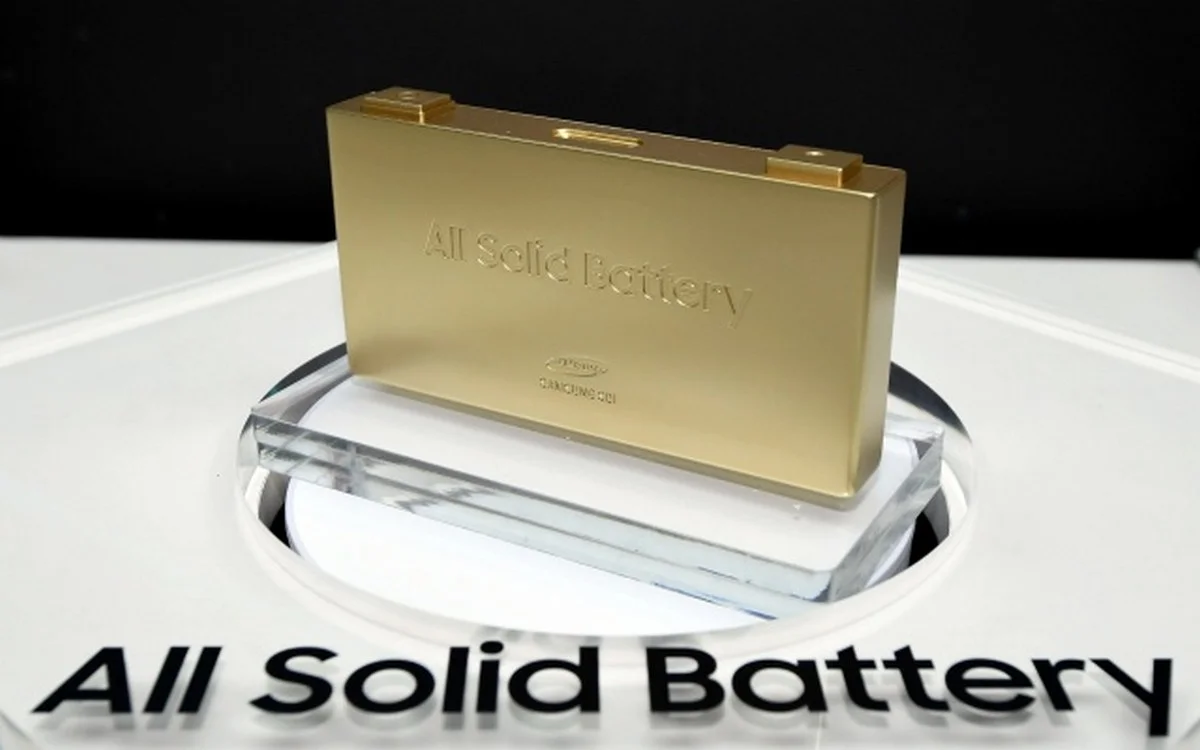
Samsung is preparing to mass-produce solid-state batteries with a 600-mile range that can charge in 9 minutes, aiming for market release next year, in partnership with BMW and Solid Power, promising safer, more efficient energy storage for electric vehicles and devices.
The Kuxiu S3 10,000mAh MagSafe battery pack offers a reliable, versatile, and efficient power solution with solid-state battery technology, supporting fast wireless and wired charging for multiple Apple devices, making it a great all-in-one portable charger.
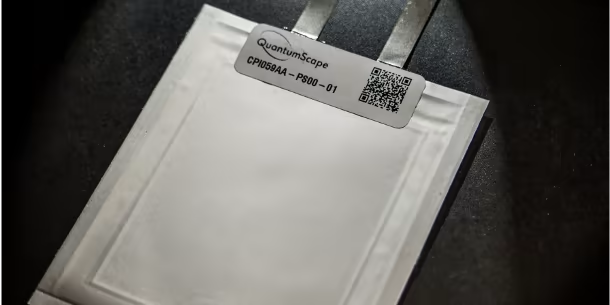
QuantumScape has achieved its 2025 goal of expanding its commercial engagement, including signing a joint development agreement with a top-10 global automaker, marking a successful year of collaborations and partnerships in the battery industry.
Researchers have developed a sodium-based solid-state battery that performs reliably from room temperature to below freezing, offering a cheaper and more environmentally friendly alternative to lithium batteries, and advancing the field of energy storage technology.
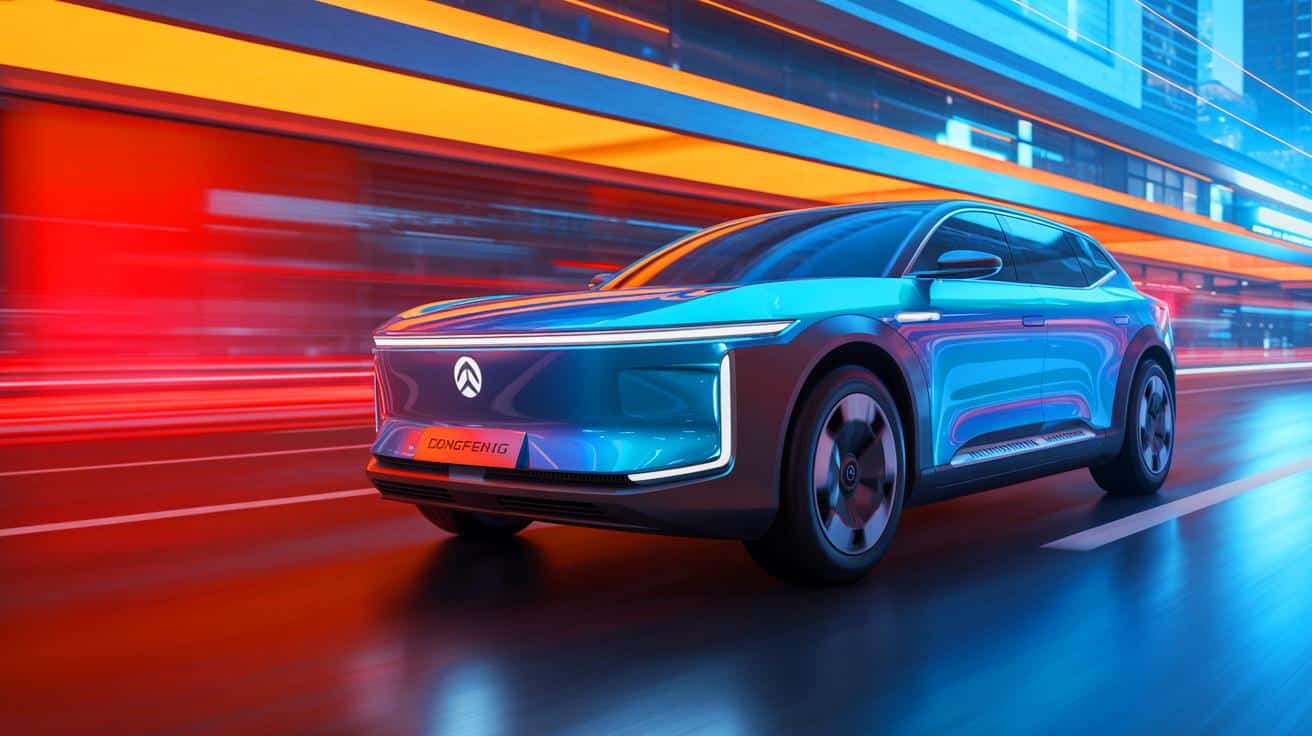
Dongfeng Motor Corporation is transforming its brand structure and advancing its electric vehicle technology, including plans for solid-state batteries with over 620 miles range by 2026 and a groundbreaking 5-minute, 280-mile fast charge capability, supported by collaborations with Huawei for smart features and driver assistance systems.
QuantumScape's stock surged 44% after announcing a key milestone in solid-state EV battery technology, specifically the baseline production of its improved Cobra separator process, bringing the company closer to commercial viability by 2026, with Volkswagen as a major early adopter.