
Nvidia’s Aggressive Lobbying for China Chip Sales Collapses After Huang’s Spy Scandal
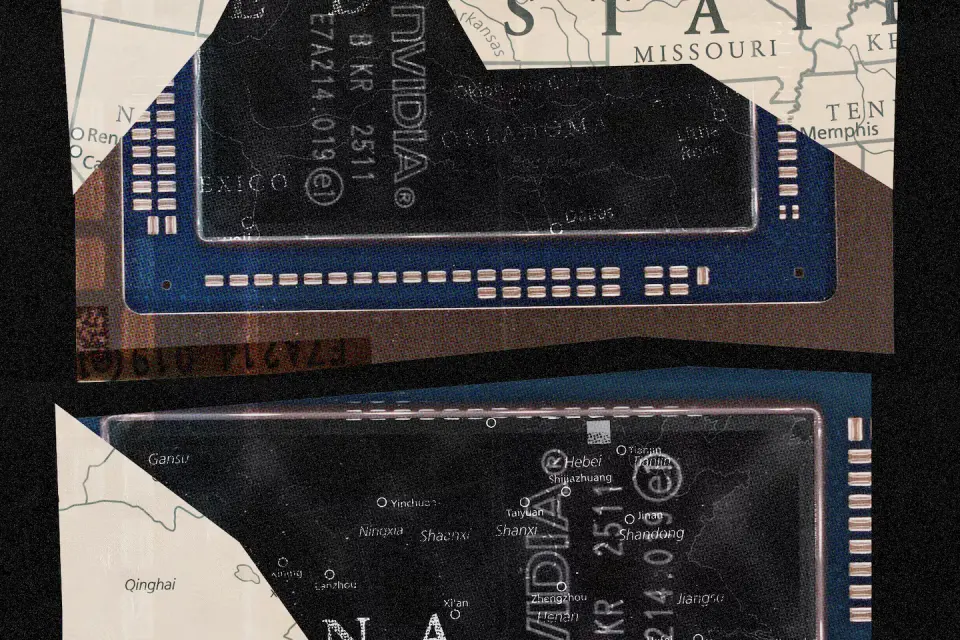
Nvidia spent years aggressively lobbying Washington to sell advanced AI chips to China, a strategy that relied on close ties with the Trump administration and technical workarounds to bypass export rules. This effort unraveled after CEO Jensen Huang resigned amid allegations involving a suspected Chinese spy. The company has since halted sales of its H200 chips to China, while the US government tightened loopholes that allowed restricted technology to reach Chinese firms via Asian data centers.
Key points
- Nvidia’s lobbying campaign was described as 'constantly and aggressive,' involving direct calls from Jensen Huang to secure access to the Chinese market, which he valued at $50 billion annually.
- The company opposed legislative efforts to track chip locations, claiming such measures would 'defy the laws of physics,' before later announcing its own tracking software, which eroded trust with congressional aides.
- In December 2025, the Trump administration approved exports of H200 chips to China, a move Commerce Department staff called a 'watershed moment' that allowed Nvidia to file applications for millions of units.
- By May 2026, the Commerce Department approved sales of nearly 580,000 chips, with Nvidia reporting $2.4 billion in sales to China in the most recent quarter, despite redacted order values.
- Following Huang’s resignation and the revelation of his affair with a woman suspected of being a Chinese spy, interim CEO Colette Kress halted H200 sales to China, and the board formed a new national security committee.
- The US government closed a loophole allowing Chinese firms to access restricted tech through data centers in other Asian nations, while lawmakers moved to implement further restrictions.
Background
This development follows a period of intense market volatility for Nvidia, including a six-day stock slump in November 2026 and a drop below a $4 trillion market cap following Huang’s exit. These events occurred alongside broader semiconductor sector declines triggered by new export restrictions and Justice Department investigations. The current shift in policy contrasts with earlier periods where Nvidia successfully lobbied against tracking requirements and secured approvals for chips that were one generation behind its most advanced models, despite concerns from the Pentagon about Chinese military connections.
Why it matters
The collapse of Nvidia’s China strategy highlights the fragility of US technology leadership in the face of geopolitical competition. It demonstrates how aggressive corporate lobbying can temporarily override national security concerns, but also how quickly policy can reverse when leadership scandals intersect with espionage risks. The move to halt sales and tighten controls signals a renewed focus on preventing Chinese military modernization through American AI hardware, potentially reshaping global supply chains and forcing Chinese firms to accelerate domestic chip development.
What to watch
Congress is expected to pass additional rules to restrict AI chip exports, while the Commerce Department will enforce new licensing requirements for Asian and South American nations. Nvidia’s board will oversee the new national security committee to ensure compliance with export controls. The company does not expect these changes to significantly impact its overall revenue, given strong demand for its chips in other markets, but the long-term threat of China developing more formidable domestic competitors remains a key concern for industry analysts.
Want the full story? Read the original reporting
Read on The Washington Post