
NYC Proposes First-of-Its-Kind Rules to End AI Customer Service 'Doom Loops'
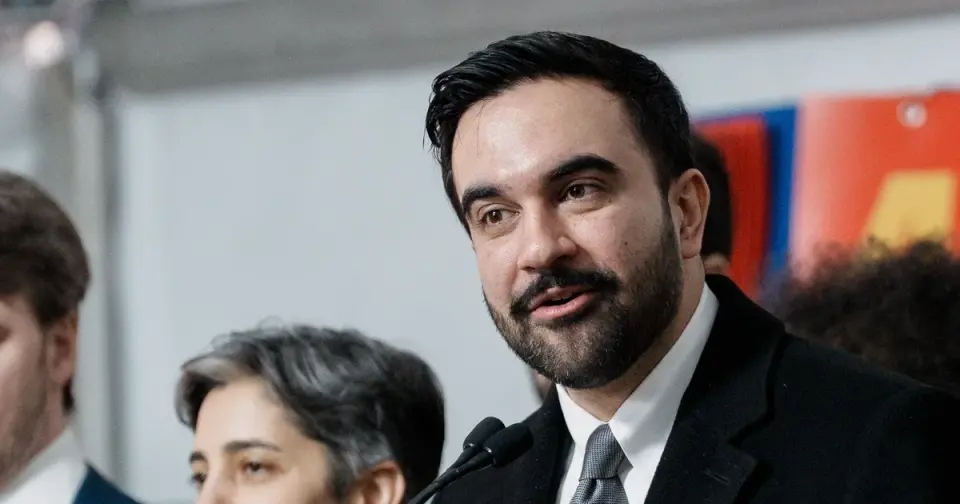
New York City has proposed a new regulation requiring companies to disclose when customers are interacting with AI or automated systems and to provide a direct option to reach a human representative. The rule aims to eliminate 'doom loops' where consumers are trapped in unhelpful automated cycles. Violations could result in civil penalties starting at $525 per offense.
Key points
- The Department of Consumer and Worker Protection (DCWP) unveiled a proposal on Tuesday targeting automated customer service systems, including AI chatbots and rules-based bots.
- The rule mandates that companies inform consumers when they are interacting with non-human systems and must offer a 'one-touch' option to connect with a human representative.
- Companies would face penalties for providing 'unresponsive, irrelevant, or erroneous information' or failing to adequately address consumer inquiries through automated menus.
- Civil penalties for violations start at $525 for the first offense, rising to $1,050 for the second and $3,500 for subsequent violations.
- The proposal applies to any company doing business with New York City's 8 million residents, excluding those under exclusive federal jurisdiction like national banks and airlines.
- A public hearing is scheduled for November 19, with a 30-day comment period currently underway.
Background
This proposal follows a broader trend of state-level AI regulation, with 37 states introducing over 120 bills on chatbots. It also aligns with Mayor Mamdani's recent push for tech oversight, including a September ban on AI in public elementary and middle schools. The term 'doom loop' in this context refers to consumer frustration, distinct from the financial or media supply chain 'doom loops' discussed in earlier archive articles regarding France's debt crisis and AI's impact on journalism.
How outlets are covering it
Bloomberg Law highlights the proposal as a potential model for other jurisdictions, noting that DCWP Commissioner Samuel A.A. Levine, a former FTC official, argues New York City should not wait for federal action. Levine emphasized that the rule goes further than existing laws in California and New Jersey by requiring meaningful assistance, not just disclosure. Gothamist notes that the rule is the first of its kind in the country to specifically target customer service chatbots, rather than general AI safety. In contrast, Steven Fulop, CEO of the Partnership for New York City, expressed concern that the lack of a firm definition for 'failed customer service' could increase litigation risks and exacerbate the city's affordability crisis. Fulop questioned how regulators would objectively determine if a chatbot was solving a problem versus failing to do so.
Why it matters
The proposal could significantly reshape how companies interact with consumers in one of the world's largest markets. If adopted, it may set a precedent for other cities and states to regulate AI in customer service, potentially forcing widespread changes in corporate infrastructure and customer support strategies. It also signals a shift in local governance toward proactive consumer protection in the face of federal inaction on AI regulation.
What to watch
The DCWP will hold a public hearing on November 19. The timeline for the rule's implementation will depend on the volume of comments received during the 30-day comment period. Once enacted, companies will be given a transition period to comply with the new requirements.
- Mamdani Proposal Targets AI Customer Service ‘Doom Loops’ (1) Bloomberg Law News
- NYC proposes crackdown down on AI customer service chatbots Gothamist
- “Nothing has to be”: New York mayor Zohran Mamdani tells citizens to fight back against the AI doom and gloom Yahoo
- City proposes rules to rein in chatbot ‘doom loop’ Crain's New York
- NYC rule would provide ‘easy off-ramp’ to consumers talking to automated systems MLex
Want the full story? Read the original reporting
Read on Bloomberg Law News