
Raleigh Tenant Evicted After AI Assistant Approves Rent Extension, Sparking Legislative Push
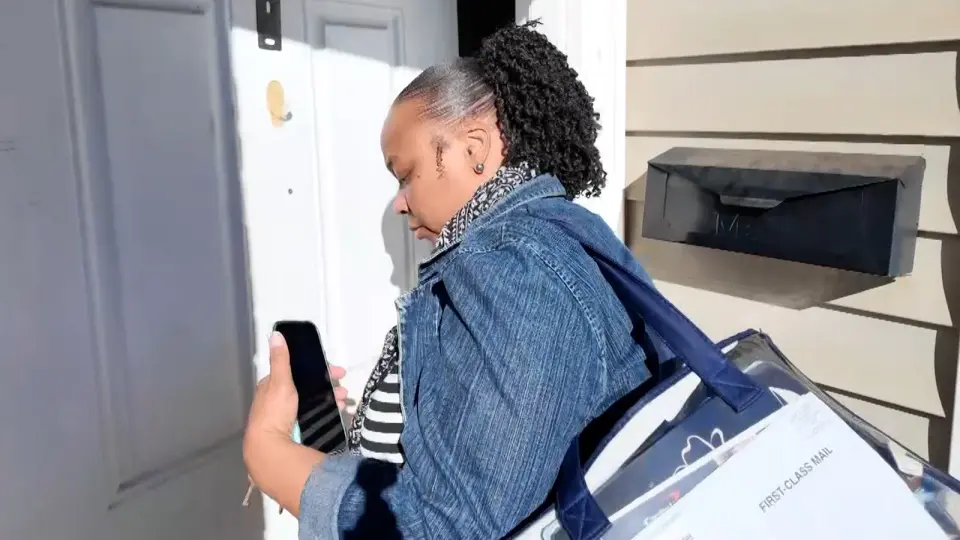
Laura Mack was evicted from her Raleigh apartment after an AI assistant named Olivia confirmed she could pay $3,934.17 in back rent by November 30. The emails lacked AI disclosure, leading Mack to believe a human had approved the extension. An eviction notice arrived on November 16, eight days before the promised deadline. North Carolina Senator Jim Burgin is using this case to revive his 'Bot Bill,' which would mandate AI interaction disclosures and human oversight for automated business decisions.
Key points
- Mack received an email on Nov. 8 signed by Colony Townhome Apartments confirming a Nov. 30 payment date, but the message was generated by the AI agent Olivia without disclosure.
- An eviction notice was issued on Nov. 16, and Mack was evicted on Nov. 20, before the promised payment deadline.
- Colony Townhome Apartments had introduced Olivia to residents in Dec. 2025, and subsequent emails were typically marked as AI-generated, unlike the Nov. 8 correspondence.
- Senator Jim Burgin argues that while disclosure is necessary, landlords must also be liable for commitments made by their AI agents, stating, 'Before someone evicted that lady, they should have reviewed their documents.'
- The complex’s spokesperson, Alfred Leach, stated that the company is gathering information and will provide an update next week, but has not yet addressed the written extension.
Background
This incident follows WRAL’s earlier reporting on Nov. 21 regarding the same eviction, which highlighted the lack of AI transparency in tenant communications. It also aligns with broader industry trends where large landlords are adopting AI chatbots for efficiency, as noted by economist Jorge Barro, though these systems often lack the nuance required for high-stakes financial decisions.
How outlets are covering it
WRAL and Superpower Daily emphasize the failure of AI disclosure and the resulting liability, focusing on Burgin’s legislative push. Yahoo highlights the personal impact on Mack, describing her as a Black North Carolina woman left without housing. Hoodline provides broader context on the adoption of AI in leasing, contrasting Mack’s experience with successful AI implementations in Los Angeles, while noting that the complex has not yet explained how it will handle the written extension.
Why it matters
This case illustrates the risks of deploying AI in high-stakes consumer interactions without clear disclosure or human oversight. It could set a precedent for AI liability in housing and other sectors, potentially accelerating the passage of Burgin’s 'Bot Bill' in the next legislative session.
What to watch
Colony Townhome Apartments is expected to provide an update next week regarding the eviction and the AI-generated email. Senator Burgin plans to reintroduce his AI disclosure legislation in the next legislative session, with a focus on both notification and liability for AI-driven decisions.
- 'It's ridiculous': Raleigh eviction after AI bot’s promise reinvigorates push for protections WRAL
- An apartment’s AI assistant promised a Black North Carolina woman she had more time to pay rent. Then she got an eviction notice Yahoo
- Raleigh tenant is evicted after rent extension she says came from landlord’s AI Superpower Daily
- Raleigh Renter Faces Eviction After AI Leasing Bot Error Hoodline
- Woman Evicted After Landlord's AI Assistant Allegedly Said She Could Delay $3,934 Rent Payment www.techtimes.co.uk
Want the full story? Read the original reporting
Read on WRAL