
Sacks' Liability-First AI Strategy Clashes with Industry Demands for Regulatory Waivers
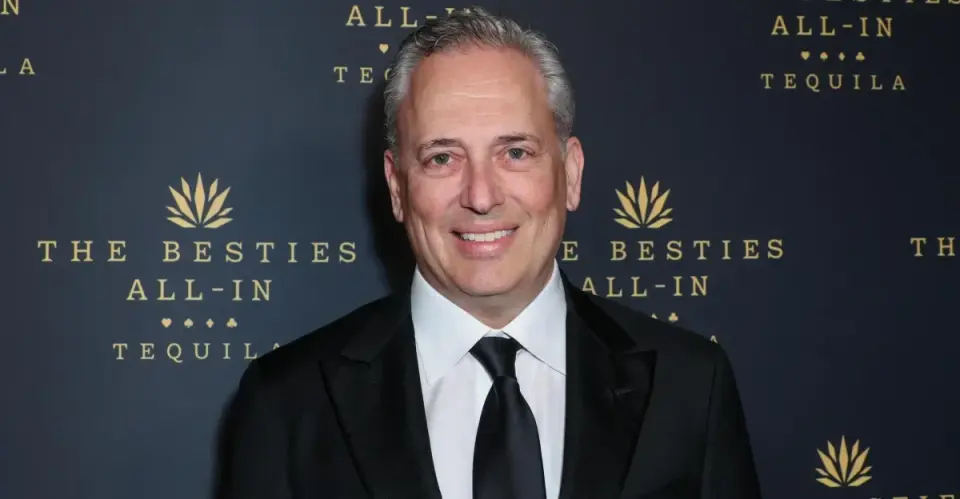
David Sacks, a key AI adviser to President Trump, is actively opposing new government regulations on artificial intelligence, arguing that existing product liability laws and antitrust enforcement are sufficient to manage safety risks. While AI leaders like those at OpenAI and Anthropic have recently warned of catastrophic outcomes and sought regulatory frameworks or antitrust waivers, Sacks rejects these demands, labeling them as attempts to form cartels. He supports a 'liability-first' approach, aligning with former FTC Chair Lina Khan’s views, and has influenced Trump to dismiss AI doomsday fears as a 'hoax.' This stance contrasts with other White House officials who are concerned about AI-driven hacking risks and are pushing for new oversight bodies.
Key points
- David Sacks, former White House AI and crypto czar, is the primary influence behind Trump’s rejection of AI safety regulations, advising the president to dismiss doomsday fears as a 'hoax.'
- Sacks opposes the requests from OpenAI and Anthropic for antitrust waivers or approval regimes, arguing that such demands resemble 'blackmail' and that existing product liability laws already hold companies accountable for unsafe AI.
- While Sacks supports audits and transparency, he endorses the view that market pressures and liability claims are sufficient to discipline AI developers, contrasting with other White House officials like Treasury Secretary Scott Bessent who are concerned about AI hacking risks.
- Sacks’s position aligns with a 'liability-first' approach similar to Europe’s recent decision to treat standalone software as a product under strict liability, though he criticizes the AI industry’s attempt to secure regulatory exemptions.
- The debate highlights a fundamental divide in the AI ecosystem, with Sacks favoring 'open weight' AI and opposing the concentration of power in proprietary models, despite his clashes with major tech figures and critics.
Background
This development follows Sacks’s tenure as the White House’s 'artificial intelligence and crypto czar' until March 2026, during which he helped steer AI policy. His influence persists as he co-chairs a presidential technology board. In May 2026, a phone call from Sacks reportedly derailed a planned executive order on AI. The current debate occurs amid growing public concern over AI risks, with AI company leaders recently warning of catastrophic outcomes, prompting a brief momentum for regulatory action in Washington before Sacks’s intervention.
How outlets are covering it
Vox emphasizes Sacks’s role as the central figure shaping Trump’s anti-regulation stance, highlighting his conflicts with major AI companies and his influence on policy. Politico focuses on Sacks’s public defense of Trump’s 'hoax' narrative and his endorsement of existing liability laws, noting his openness to audits and transparency. The Next Web provides a more technical perspective, detailing Sacks’s specific objections to AI companies’ demands for antitrust waivers and approval regimes, and comparing his 'liability-first' approach to Europe’s recent legal changes. While all sources agree on Sacks’s opposition to new regulations, they differ in emphasis: Vox highlights his political influence and conflicts, Politico focuses on his public statements, and The Next Web details the legal and regulatory implications of his stance.
Why it matters
Sacks’s influence is critical in determining the US government’s approach to AI regulation, potentially delaying or preventing new safety measures that could impact the development and deployment of AI technologies. His stance on product liability and antitrust enforcement could shape the legal landscape for AI companies, affecting innovation, competition, and public safety. The debate also highlights the complex interplay between tech industry interests, government policy, and public safety concerns in the rapidly evolving AI landscape.
What to watch
The US government may continue to rely on existing product liability and antitrust laws to address AI safety concerns, as advocated by Sacks. However, the ongoing debate between Sacks and other White House officials, such as Treasury Secretary Scott Bessent, could lead to a compromise or a new regulatory framework. The European Union’s recent decision to treat standalone software as a product under strict liability may also influence US policy, as the US and EU navigate the complex legal and regulatory landscape of AI.
- The adviser urging Trump to reject AI safety fears vox.com
- Trump’s former AI czar says fears of an AI apocalypse are a ‘hoax’ Politico
- Trump adviser Sacks says AI fears driven by 'fear-mongering playbook' Reuters
- AI doomsday warnings unlikely to slow IPOs, but questions linger Tech Xplore
- Trump's former AI czar tells Anthropic and OpenAI to slow down, and to stop asking for anything in return The Next Web
Want the full story? Read the original reporting
Read on vox.com