
US imposes new licensing rules on Southeast Asian data centers to block Chinese AI chip access
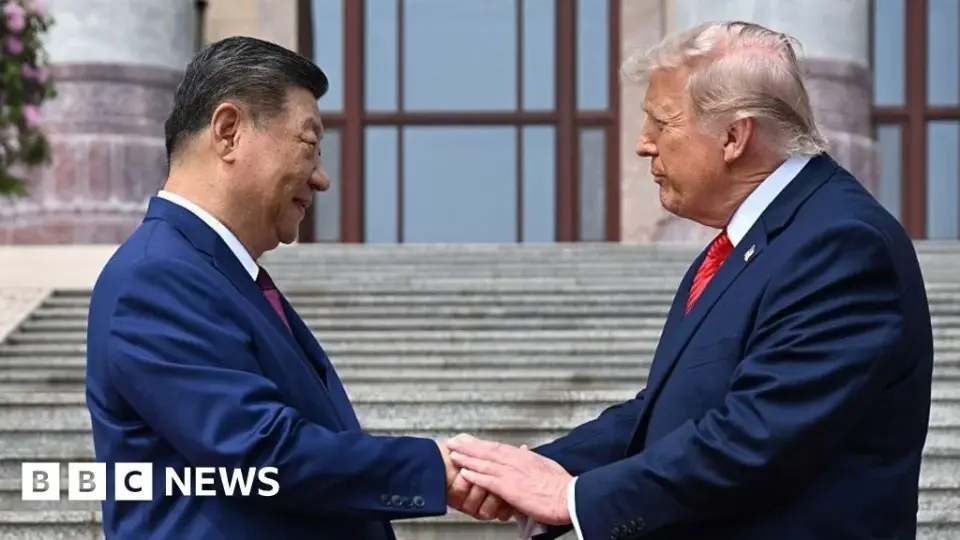
The US Commerce Department announced new interim rules requiring licenses for advanced chip exports to data centers in Singapore, Malaysia, Thailand, Indonesia, and Brazil. The move aims to close loopholes allowing Chinese firms to access computing power remotely. The restrictions follow a scandal involving Nvidia’s former CEO and a Singaporean data center firm, and take effect ahead of President Trump’s diplomatic meetings in Asia.
Key points
- The new rules require US government licenses for data center operators in five countries to purchase advanced chips from US makers like Nvidia.
- The measures target remote computing access, which Chinese firms have used to train AI models while bypassing direct export bans.
- The policy was drafted by the Treasury and National Security Council, reflecting internal pressure to tighten controls after a year of inaction.
- The rules take effect in 90 days and replace a previous Biden-era policy that the Trump administration had not formally rescinded until now.
- Chinese firms are accused of using these hubs to evade restrictions, with at least 30% of their advanced AI compute projected to come from overseas by 2027.
Background
This development follows the resignation of Nvidia CEO Jensen Huang amid allegations involving a former executive of Megaspeed, a Singaporean data center firm. Megaspeed is under investigation for allegedly smuggling chips to China. The new rules come as Trump prepares to meet Chinese leader Xi Jinping in Shenzhen, where semiconductor restrictions are a key agenda item. Previous US export controls in 2022 banned direct sales to China, but remote access via third countries remained a loophole.
How outlets are covering it
The US government frames the rules as necessary to prevent national security risks and 'economic coercion' by China. China’s foreign ministry condemned the move as 'economic coercion' and vowed to safeguard its rights. Experts like Chris McGuire of the Council on Foreign Relations called it a 'major step forward' to close loopholes. However, regional experts warn that the rules could force Southeast Asian nations to choose between US and Chinese tech stacks, potentially driving Chinese firms toward domestic semiconductors. Some analysts note that while the rules are strong, their implementation will determine their effectiveness, and China may delay a response to avoid tension during Trump’s visit.
Why it matters
The restrictions could disrupt the data center boom in Southeast Asia, where billions in investment have flowed into hubs like Johor and Batam. They also impact the global AI race, as Chinese firms rely on US chips to remain competitive. The move signals a shift in US policy toward stricter enforcement of export controls, potentially reshaping trade relationships and technological dependencies in the region.
What to watch
The rules will take effect in 90 days, with licenses issued on a case-by-case basis. Trump is expected to discuss the issue with Xi Jinping in Shenzhen. The US government will monitor compliance, and China may respond with countermeasures. The outcome could influence future US-China tech negotiations and the trajectory of AI development in both nations.
- How new US chip restrictions on South East Asia will hit China BBC
- U.S. closes loophole that let Chinese companies use top AI chips through foreign data centers NBC News
- Trump’s New A.I. Chip Rules Rattle Southeast Asia The New York Times
- How Jensen Huang Built the Backdoor Route That Keeps Beijing in the AI Race WSJ
- Trump administration tightens restrictions on flow of AI chips ahead of China trip CNN
Want the full story? Read the original reporting
Read on BBC