
Nvidia CEO Jensen Huang Resigns Amid Spy Allegations, Triggering Bipartisan Congressional Investigations
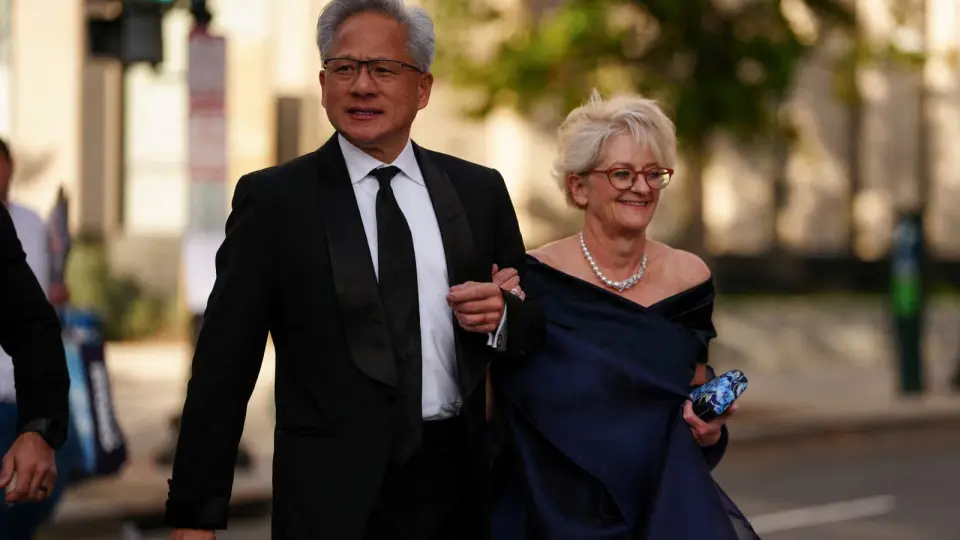
Nvidia co-founder Jensen Huang resigned on November 12, 2026, after admitting to an affair with Alice Huang, an executive at Megaspeed who is suspected by some US officials of being a Chinese spy. The resignation followed a classified memo by Secretary of State Marco Rubio that unmasked Huang’s identity in intelligence intercepts. While the company appointed CFO Colette Kress as interim CEO, Washington is now focused on national security implications. Congress is demanding testimony from Huang and Commerce Secretary Howard Lutnick over potential failures in enforcing export controls on advanced AI chips to China.
Key points
- Jensen Huang resigned as Nvidia CEO on November 12, 2026, effective immediately, following revelations of an affair with Alice Huang, an executive at Megaspeed.
- Alice Huang is suspected by some US intelligence officials of being a Chinese spy, though the Justice Department has stated no conclusions have been reached regarding her status.
- Nvidia appointed CFO Colette Kress as interim CEO and Harvey C. Jones as the first-ever Chair of the Board to lead the search for a permanent successor.
- Congressional leaders from both parties are demanding testimony from Huang and Commerce Secretary Howard Lutnick over potential failures in enforcing export controls on AI chips to China.
- Elon Musk publicly called for Huang’s reinstatement, while President Trump expressed concern for Huang personally but maintained that the spy question remains unsettled.
Background
This crisis follows a period of intense scrutiny regarding Nvidia’s role in the AI boom and its close relationship with the Trump administration. Earlier reports indicated that US officials were divided on whether Alice Huang acted as a spy or merely posed a counterintelligence risk. The resignation has also highlighted governance gaps at Nvidia, including the lack of a clear succession plan, and has intensified fears about the sustainability of the AI investment boom.
How outlets are covering it
CNBC emphasizes the immediate political fallout, highlighting how Republicans are using their final weeks in power to summon Huang and Lutnick, while Democrats prepare to take control in January. CNN focuses on the intelligence community’s process, detailing how Rubio’s memo unmasked Huang’s identity and the subsequent debate over the strength of evidence linking Alice Huang to the Chinese government. The Washington Post notes the surprising support from Elon Musk, who signed a petition for Huang’s reinstatement, contrasting with the bipartisan congressional pressure. Nvidia’s official statement frames the transition as a routine leadership change, emphasizing continuity in operations and product roadmaps, while downplaying the national security aspects.
Why it matters
The resignation of Jensen Huang, a key figure in US AI dominance, exposes vulnerabilities in the country’s export control enforcement and raises questions about the security of critical technology. The congressional investigations could lead to stricter regulations on AI chip exports and impact US-China relations. Additionally, the leadership vacuum at Nvidia may affect the company’s ability to navigate the AI boom and maintain its market position.
What to watch
Huang is expected to testify before Congress in the coming weeks, with potential appearances before the House Foreign Affairs Committee, House Intelligence Committee, and House Permanent Select Committee on China. Lutnick has agreed to testify voluntarily before the Senate Banking Committee in December. The Democratic-led Congress, taking control in January, is expected to launch further investigations into the Trump administration’s handling of the Nvidia scandal and export controls.
- Nvidia is done with Jensen Huang. The fallout in Washington is just beginning CNBC
- EXCLUSIVE: Former Nvidia CEO Huang had a relationship with a second employee, sources say Reuters
- Intel intercepts implicating Jensen Huang in affair sparked classified Rubio memo CNN
- NVIDIA Announces CEO Transition NVIDIA Newsroom
- Musk joins calls for Jensen Huang to be reinstated as CEO of Nvidia The Washington Post
Want the full story? Read the original reporting
Read on CNBC