
United Airlines Bans AI Booking Agents Over Security and Regulatory Risks
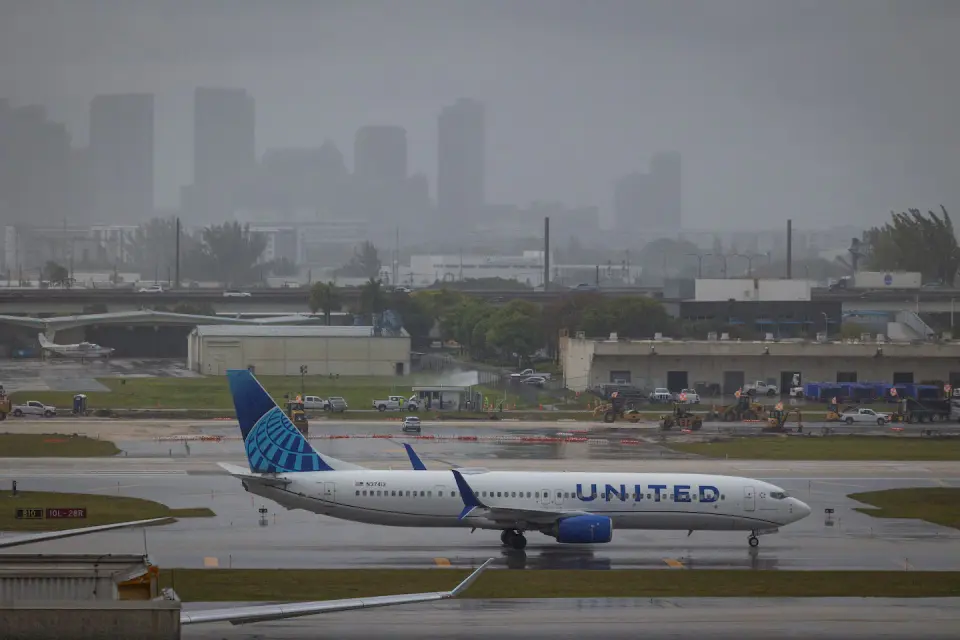
United Airlines has prohibited third-party artificial intelligence agents from booking flights or managing customer accounts, citing risks to data security and potential violations of federal safety regulations. The airline stated that sharing credentials with AI tools could expose sensitive information or lead to unintended purchases and misuse of loyalty miles. While United restricts these automated agents, it maintains that fares remain accessible through traditional aggregators like Kayak and Google Flights. This decision contrasts sharply with Southwest Airlines, which recently launched a ChatGPT plug-in to facilitate flight discovery and shopping. Analysts suggest United’s move aims to retain control over the booking process and avoid the costs associated with AI-driven search volume, though it may complicate fare visibility for consumers.
Key points
- United Airlines announced on Wednesday that it will block unauthorized third-party AI agents from accessing its digital platforms and booking systems.
- The airline cited concerns that sharing account credentials with AI assistants could expose sensitive data or result in unintended transactions and changes to MileagePlus accounts.
- United noted that AI-assisted check-ins might violate federal regulations requiring passengers to verify in person that their luggage does not contain banned substances.
- The carrier is updating its booking, ticketing, and distribution policies to enforce these restrictions across its own platforms and via travel aggregators.
- Southwest Airlines has taken a contrasting approach by launching a ChatGPT plug-in in October to allow users to discover and shop for flights through the AI platform.
Background
This policy shift occurs as major technology firms like Meta and OpenAI expand AI agents capable of executing tasks such as purchasing and booking. United’s move follows earlier internal discussions about tightening distribution policies ahead of the holiday travel season. The airline’s stance reflects a broader industry tension between adopting AI for customer convenience and maintaining strict control over security and regulatory compliance. While United restricts automated agents, it clarifies that human-operated aggregators like Kayak and Hopper will continue to list its fares, ensuring that consumers can still find tickets through traditional search methods.
How outlets are covering it
The Washington Post and CBS News both report on United’s ban, highlighting the airline’s focus on data security and regulatory compliance. However, CBS News provides additional analysis from aviation expert Henry Harteveldt, who argues that United’s primary motivation may be to avoid the financial costs associated with AI bot flight searches. Harteveldt notes that while United wants to prevent AI intermediaries from accessing its inventory, this move does not make fares harder to find through standard aggregators. In contrast, the Washington Post emphasizes the security risks, such as unintended purchases and exposure of sensitive information, without delving into the economic implications of search volume. Both sources acknowledge Southwest’s divergent strategy, which embraces AI integration to enhance customer experience rather than restrict it.
Why it matters
United’s decision sets a precedent for how major airlines will navigate the integration of AI agents in consumer transactions. By prioritizing security and regulatory adherence, United aims to protect customer data and ensure compliance with federal safety laws. However, this move may influence consumer behavior, as travelers increasingly rely on AI assistants for seamless booking experiences. The contrast with Southwest’s approach highlights a strategic divide in the industry: one side focuses on control and risk mitigation, while the other embraces innovation to capture market share. As AI agents become more prevalent, airlines must balance the benefits of automation with the risks of data exposure and regulatory non-compliance, potentially shaping future standards for digital travel platforms.
What to watch
United Airlines will continue to update its booking and ticketing policies to enforce the ban on third-party AI agents. The airline expects to monitor the impact of these restrictions on customer behavior and fare visibility. Meanwhile, other carriers may evaluate their own approaches to AI integration, potentially leading to a fragmented landscape where some airlines embrace AI tools while others restrict them. Consumers may need to adapt by using traditional aggregators or direct airline websites for bookings, as AI agents become less reliable for certain carriers. Regulatory bodies may also scrutinize the compliance of AI-assisted check-ins, potentially influencing broader industry standards for automated travel transactions.
- United Airlines blocks AI agents from booking flights The Washington Post
- Exclusive | United Airlines Is Banning AI Bots From Booking Flights WSJ
- United Airlines Alone In Blocking AI Agents From Booking Flights—Rivals Say Customers Assume Risk Forbes
- United Airlines bans AI agents from booking flights on behalf of travelers CBS News
- JetBlue president says airlines should follow customers' lead on AI booking agents Reuters
Want the full story? Read the original reporting
Read on The Washington Post