
Altman Calls Consumer RAM 'Terrible' Allocation Amid Global Memory Crisis
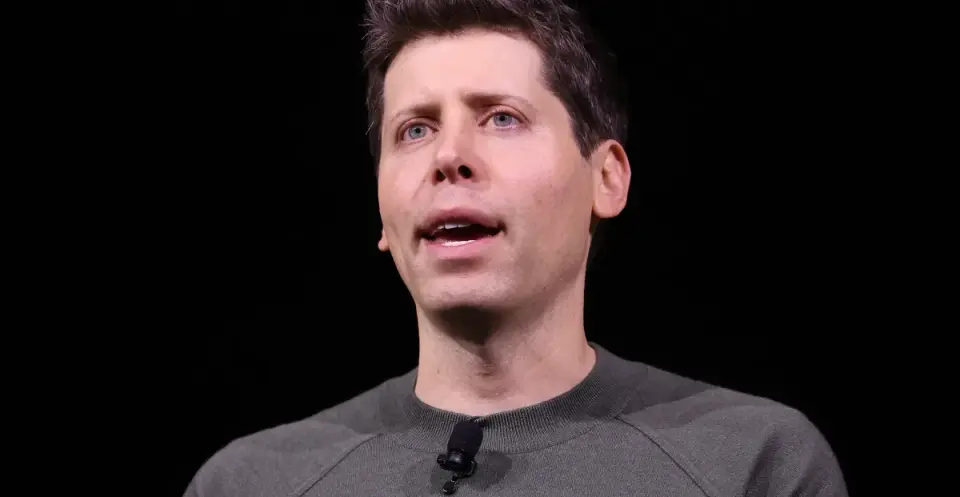
OpenAI CEO Sam Altman stated on the Cheeky Pint podcast that keeping RAM in personal computers is 'quite terrible' for global resource allocation. He argued that consumer devices use memory only 5% of the time, whereas data centers require maximum utilization for AI workloads. This stance highlights the tension between local inference and cloud-based AI during a severe global memory shortage.
Key points
- Altman criticized local inference, claiming it wastes limited DRAM supply that should be concentrated in data centers for higher efficiency.
- The global memory shortage is driven by long-term contracts between chipmakers like Samsung and SK Hynix and cloud operators, reserving output for years.
- Altman dismissed the 'invisible hand' of the market, stating it is failing to address the supply constraints, and warned against over-investing in new manufacturing capacity.
- Consumer electronics prices are rising due to this shortage, with DDR5 kits and high-end laptops becoming significantly more expensive.
- The shortage is expected to persist through 2030, with some manufacturers predicting it could last until 2028 or beyond.
Background
This statement comes amid a broader crisis in the semiconductor industry, where AI demand has outpaced supply. Recent legal actions, including a Texas lawsuit against OpenAI and regulatory reviews in Australia, have intensified scrutiny of the company's practices. Meanwhile, the market is experiencing a 'quadruple threat' of AI-driven demand, low inventory, tariffs, and foundry capacity shifts away from consumer memory.
How outlets are covering it
The Verge and PCMag report Altman's comments as a defense of OpenAI's business model, noting that local AI threatens cloud subscription revenue. Tom's Hardware frames the statement as a conflict between corporate interests and consumer autonomy, highlighting that data centers may also have idle capacity. Tom's Guide offers a critical perspective, arguing that Altman's view ignores consumer demand for privacy and independence, and suggests the AI bubble may burst, potentially forcing foundries to pivot back to consumer memory. While all outlets agree on the severity of the shortage, they differ on whether Altman's allocation argument is economically sound or merely self-serving.
Why it matters
Altman's comments underscore the growing conflict between AI infrastructure demands and consumer hardware availability. The shortage is driving up prices for laptops and PCs, affecting everyday users. If the AI bubble bursts, the market may correct, but for now, consumers face a 'cloud tax' on local hardware, with limited access to affordable memory.
What to watch
The memory shortage is expected to continue through 2030, with Samsung and SK Hynix predicting prolonged scarcity. Foundries may eventually pivot back to consumer memory if enterprise demand drops, but this could take time. Consumers may face continued high prices for RAM and high-end devices, while the AI industry faces potential financial corrections as infrastructure costs mount.
- Sam Altman says it’s better for RAM to be in a data center than on your desk The Verge
- OpenAI CEO says it's 'quite terrible' for your PC to have RAM — Sam Altman says data centers offer better utilization Tom's Hardware
- Sam Altman Suggests Running AI Locally Is a Waste of Memory PCMag
- Sam Altman says your laptop RAM is a 'terrible’ allocation of scarce resources: Why I think the AI bubble is about to prove him wrong Tom's Guide
- Sam Altman Absolutely Hates the Idea of People Running Their Own AI Models at Home, Argues They Shouldn't Own Computers Futurism
Want the full story? Read the original reporting
Read on The Verge