
Amazon Files FCC Application for 5,105-Satellite Network to Expand Apple Connectivity
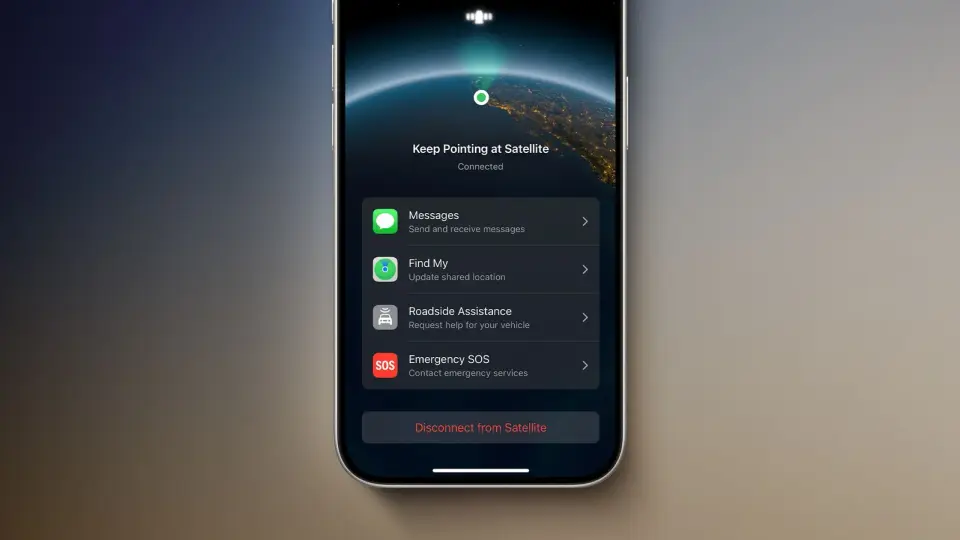
Amazon has filed an application with the Federal Communications Commission to deploy a constellation of up to 5,105 low Earth orbit satellites. The network, known as Leo Direct-to-Device, aims to provide voice, data, and emergency services to mobile devices in areas without cell tower coverage. The system will utilize spectrum from Globalstar, which Amazon is acquiring for $11.6 billion, and is designed to enhance existing satellite features on Apple devices while expanding capabilities for other compatible smartphones.
Key points
- Amazon Leo filed an FCC application to launch up to 5,105 satellites for direct-to-device connectivity.
- The network will use Globalstar spectrum, with the acquisition deal expected to close in 2027.
- Deployment is scheduled to begin in 2028, featuring five orbital shells for global coverage.
- The system will support voice, data, and emergency services for devices with satellite chipsets.
- Apple is a key partner, with the network set to power iPhone and Apple Watch satellite features.
Background
Amazon's Leo satellite project, formerly known as Project Kuiper, has already deployed over 390 satellites for broadband services. The company is now expanding into direct-to-device mobile connectivity. This move follows the April 2026 agreement to acquire Globalstar, the current provider of satellite messaging for Apple devices. The new constellation is intended to complement existing Leo broadband services and compete with other satellite mobile providers.
How outlets are covering it
MacRumors and PCMag emphasize the direct impact on Apple devices, noting that the network will upgrade iPhone and Apple Watch satellite features beyond current text-only capabilities. PCMag highlights the competitive landscape, comparing Amazon's plan to SpaceX's Starlink Mobile and AST SpaceMobile. CBS News focuses on the broader telecom implications, noting the $11.6 billion Globalstar acquisition and the potential for disaster response and fleet management. Amazon's official statement details the technical specifications, including five orbital shells and advanced signal processing to minimize interference. All sources agree on the 2028 deployment timeline and the FCC filing status.
Why it matters
This development marks a significant shift in satellite connectivity, moving from basic emergency messaging to full voice and data services for consumer devices. It intensifies competition in the satellite mobile market and could expand global coverage for billions of users in remote areas. The partnership with Apple ensures immediate integration with a major device ecosystem, while the acquisition of Globalstar provides the necessary spectrum rights for global operations.
What to watch
Amazon must await FCC approval for the 5,105-satellite constellation. The Globalstar acquisition is expected to close in 2027 after regulatory clearance. Satellite deployment is planned to begin in 2028. Amazon will continue to partner with mobile operators and expand its existing Leo broadband network, which currently has over 390 satellites in orbit.
- Amazon Files for 5,105-Satellite Network That Will Power iPhone Satellite Features MacRumors
- How Amazon Leo plans to connect mobile devices from space About Amazon
- Amazon takes next step toward potential global network launch NewsNation
- Amazon plans to deploy more than 5,000 satellites for new space-based telecom platform CBS News
- Amazon Plans to Launch 5,000 New Satellites to Beam Data to iPhones PCMag
Want the full story? Read the original reporting
Read on MacRumors