
Ternus Takes Apple Helm as AI Strategy and Talent Retention Become Central Challenges
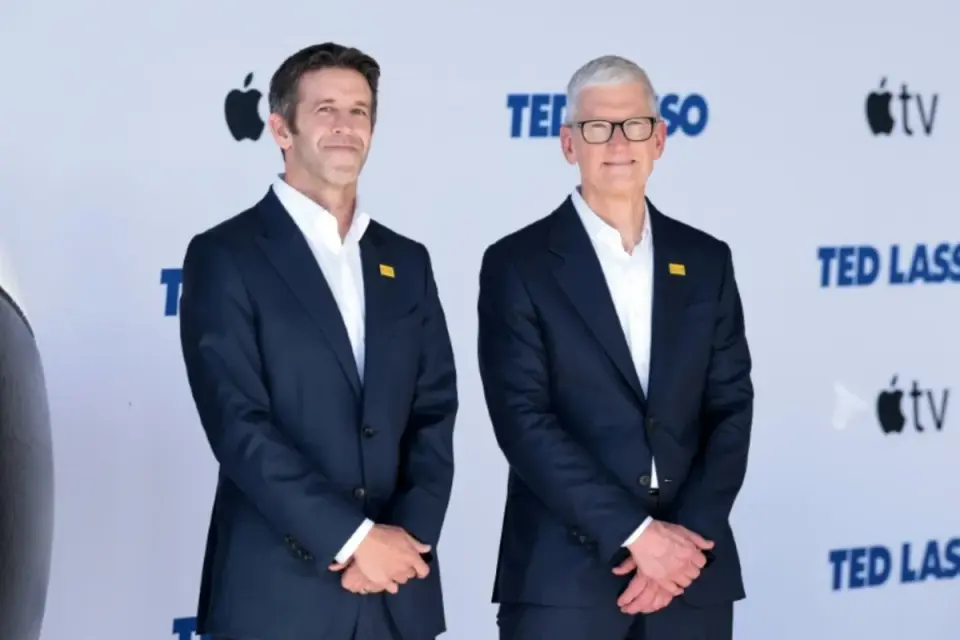
John Ternus officially assumed the role of Apple CEO on September 1, 2026, succeeding Tim Cook, who transitioned to executive chairman. The leadership change coincides with Apple's critical pivot toward artificial intelligence, where its strategy relies heavily on third-party models rather than proprietary development. While Cook’s tenure saw revenue quadruple and market capitalization exceed $4 trillion, the new CEO faces immediate pressure to address a significant talent drain to AI competitors and to validate Apple's decision to outsource core AI capabilities.
Key points
- John Ternus became Apple CEO on September 1, 2026, with Tim Cook moving to executive chairman.
- Apple's AI strategy, including the delayed launch of a revamped Siri in iOS 27, relies on Google models due to development delays.
- Investor Gene Munster warns that Apple has lost approximately 400 employees to OpenAI in recent years, citing a 'brain drain' risk.
- Tim Cook’s tenure is marked by quadrupled annual revenue and a market cap exceeding $4 trillion, but also by the cancellation of the car project and limited success of the Vision Pro.
- Analysts debate whether Apple’s decision to avoid building frontier AI models will be seen as cost-saving genius or a strategic failure if AI hardware becomes a major market.
Background
Apple’s leadership transition follows a period of significant product anticipation, including a September 9 event expected to unveil the iPhone 18 Pro lineup and potentially the company’s first foldable device. Previous coverage noted that Ternus, a 2001 hire and former Senior Vice President of Hardware Engineering, was tasked with steering the company through an AI-driven era while balancing supply chain pressures and political considerations.
How outlets are covering it
Axios emphasizes the long-term legacy implications of Apple’s AI strategy, questioning whether Cook’s reliance on Google’s models will be viewed as a prudent cost-saving measure or a missed opportunity to secure a position in the next computing era. Business Insider focuses on the immediate operational risk of talent loss, with investor Gene Munster urging Ternus to prioritize retaining engineers against aggressive recruitment by OpenAI. While Axios highlights the financial success of Cook’s tenure, Business Insider points to the competitive threat posed by AI startups, noting that while Apple’s economics currently favor it, the pace of AI development poses a long-term risk to its control of consumer interfaces.
Why it matters
The transition to Ternus marks a pivotal moment for Apple as it navigates the integration of AI into its core products. The company’s reliance on external models and its struggle to retain top talent could impact its ability to maintain market dominance in an era where AI capabilities are rapidly evolving. Investors and analysts are watching to see if Ternus can reverse the talent drain and validate the strategic decisions made during Cook’s tenure.
What to watch
Apple is expected to unveil its next iPhone lineup and potentially a foldable device on September 9. Ternus will need to address the talent retention issue and further define Apple’s AI strategy, particularly as the company relies on third-party models for its AI capabilities. The market will watch how Apple navigates the competitive landscape with AI startups like OpenAI and whether its current strategy proves sustainable in the long term.
- John Ternus takes over as Apple enters era of AI, foldable phones finance.yahoo.com
- Tech stocks today: John Ternus becomes Apple CEO as legal battle with OpenAI escalates finance.yahoo.com
- With Just 9 Words, Tim Cook’s Farewell Email Taught a Lesson for Every Leader inc.com
- Tim Cook's legacy hinges on Apple's AI bet Axios
- A veteran tech investor says this should be John Ternus's first priority as Apple's new CEO Business Insider
Want the full story? Read the original reporting
Read on finance.yahoo.com