
California DMV halts Waymo freeway operations after construction zone and traffic break incidents
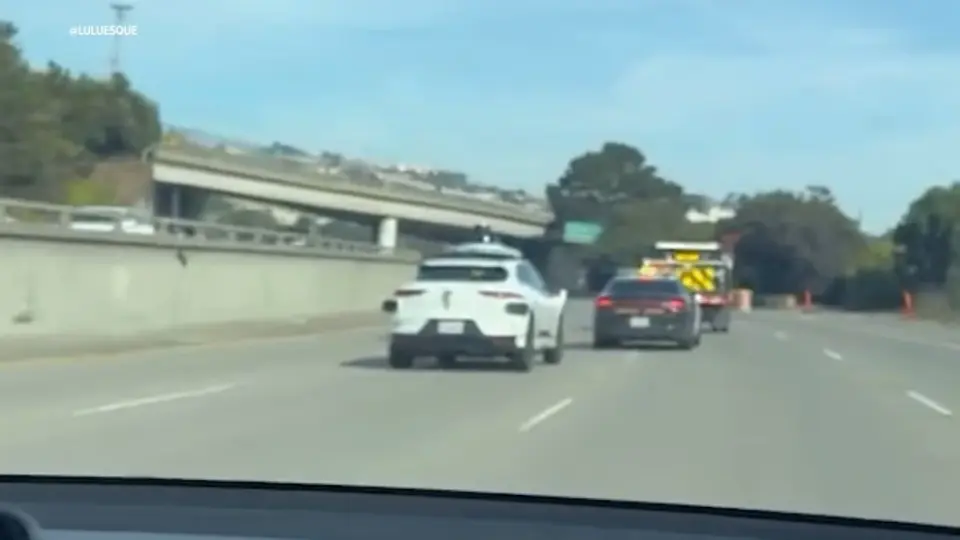
The California Department of Motor Vehicles (DMV) has banned Waymo from operating autonomous vehicles on state freeways, citing an 'imminent hazard to public safety.' The restriction, effective November 11, 2026, follows two specific incidents: three Waymo vehicles entering an active construction zone on U.S. Highway 101 near Burlingame, and a vehicle attempting to bypass a California Highway Patrol (CHP) traffic break on Interstate 280. Waymo has suspended all highway rides in its markets but continues operations on surface streets. The DMV will maintain the ban until Waymo demonstrates effective corrective actions.
Key points
- The California DMV ordered Waymo to cease freeway operations on November 11, 2026, due to safety concerns.
- The ban follows incidents where Waymo vehicles entered a construction zone on U.S. Highway 101 and attempted to bypass a CHP traffic break on Interstate 280.
- Waymo has suspended all highway rides in its markets but continues to operate on surface streets, serving over half a million trips weekly.
- This is the second freeway restriction for Waymo in 2026; the company previously paused operations in May to address construction zone issues.
- The DMV stated the ban will remain in place until Waymo proves it has taken effective corrective actions to address the deficiencies.
Background
Waymo has faced scrutiny regarding autonomous vehicle safety in complex traffic scenarios. In 2025, complaints arose about driverless cars freezing during a San Francisco power outage, and in July 2026, officials raised concerns about Waymo vehicles blocking streets after Fourth of July fireworks. Earlier this year, federal regulators from the National Highway Traffic Safety Administration (NHTSA) cited incidents where Waymo vehicles failed to recognize highway construction zones, leading to a software recall in June 2026. Additionally, a December 2025 recall was tied to incidents involving stopped school buses. The current DMV action follows a pattern of regulatory and public scrutiny regarding Waymo's ability to handle dynamic road conditions.
How outlets are covering it
ABC7 San Francisco and CNN report that the California DMV has banned Waymo from state freeways, citing two specific incidents as the primary drivers: vehicles entering a construction zone on U.S. Highway 101 and a vehicle interfering with a CHP traffic break on Interstate 280. WIRED notes that Waymo has suspended all highway rides in its markets but may continue testing on non-California highways with safety operators. NBC Bay Area highlights the viral video of the Interstate 280 incident, which garnered over 3.3 million views, and notes that the CHP confirmed officers blocked the Waymo's path, though it is unknown if a passenger was inside the vehicle. Waymo, through spokesperson Dana Gallagher, stated it is working diligently with the DMV to resume freeway operations and emphasized that safety remains its top priority. University of San Francisco professor Billy Riggs noted that while autonomous vehicles are statistically safer than human drivers, they struggle with contextual understanding, such as interpreting construction zones. San Francisco resident Elliot Slade, who experienced a similar construction zone incident earlier in the year, expressed disappointment and skepticism about using Waymo services in the future.
Why it matters
The California DMV's ban on Waymo freeway operations highlights ongoing challenges in autonomous vehicle technology, particularly in handling dynamic and complex traffic situations like construction zones and emergency traffic breaks. The decision underscores the tension between rapid technological deployment and public safety, as regulators demand demonstrable corrective actions before allowing such services to resume. For Waymo, this restriction impacts its service offerings in major markets, including San Francisco and Los Angeles, and may influence public trust in autonomous ride-hailing services. The incident also reflects broader regulatory scrutiny of autonomous vehicles, with federal and state agencies closely monitoring safety performance and requiring companies to address identified deficiencies to maintain operational privileges.
What to watch
Waymo is expected to work with the California DMV and other state officials to demonstrate effective corrective actions that address the safety deficiencies identified in the recent incidents. The DMV has stated that the ban will remain in place until Waymo proves it has implemented these measures. The company may continue testing its vehicles on non-California highways with safety operators behind the wheels while it works to resolve the issues. Public and regulatory attention will likely remain focused on Waymo's progress in addressing construction zone recognition and emergency traffic response, with potential updates as the company reports on its corrective actions and the DMV reviews its compliance.
- CA DMV bans Waymos from operating on state freeways after Bay Area traffic incidents ABC7 Bay Area
- California DMV bans driverless Waymo vehicles from operating on state freeways CNN
- Video shows Waymo trying to get around CHP traffic break on Bay Area freeway NBC Bay Area
- Waymo Pauses All Highway Rides After California Safety Ban WIRED
- Waymo suspends freeway rides nationwide after California DMV order TechCrunch
Want the full story? Read the original reporting
Read on ABC7 Bay Area