A new geologist's study indicates the northern San Andreas Fault is slipping faster than previously thought, suggesting earthquakes may occur more frequently in the Bay Area; the digest also notes a Fairfield disappearance and various regional and national news items.
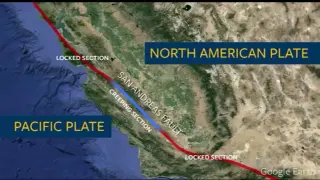
San Jose State University researchers say the San Andreas Fault is slipping faster than previously estimated over a 10,000-year window, with a rate similar to the northern coast segment; though not yet peer-reviewed, the finding suggests earthquakes on this fault could occur more frequently, reinforcing the need for Bay Area preparedness after a recent 3.9 magnitude quake on the Hayward Fault.
Tony Wu, co‑founder of xAI and Grok, is linked to a record $70 million Hillsborough estate—the Bay Area’s biggest home sale—featuring a lakeside Italian‑villa style design, a 12,000 sq ft main house, a 4,600 sq ft guest house, and a sports complex. The property sold to Daikon no Hana Capital LLC, with Wu’s ties to OpenAI/DeepMind and SpaceX’s xAI highlighted as evidence of AI‑driven wealth reshaping Northern California luxury real estate.
Experts warn the Hayward Fault near the Bay Area is overdue for a major quake; recent 3.8 temblor near Oakland and aftershocks highlight its volatility, while simulations show a magnitude-7 rupture could produce significantly stronger shaking across the region. USGS estimates a 14.3% chance of a 6.7+ quake by 2034 and about 33% before 2043. A major rupture could bring hundreds of fires, tens of thousands of destroyed homes, and hundreds of thousands displaced, though no major damage was reported in Thursday’s quake.
Trump’s border czar Tom Homan criticized Gov. Newsom and California’s sanctuary policies after an illegal immigrant allegedly fatally stabbed a Bay Area man in Martinez, arguing the crime was enabled by release from custody and sanctuary rules; Newsom’s office pushed back, saying ICE should enforce federal law and that California isn’t to blame for federal enforcement failures. The suspect, Marcos Iriarte-Valdez, 36, had been released from jail a day before the attack despite home-detention violations and has a lengthy criminal history; the case remains under investigation with bail set at $1.1 million.
Oakland activists, led by Jesse Rosemoore, launched a 'Cancel Piedmont' campaign aimed at Piedmont—the small, wealthy enclave surrounded by Oakland—to spotlight racial and economic disparities in the Bay Area; supporters have handed out stickers and sold T-shirts, arguing Piedmont’s isolation and housing barriers reflect broader inequities, while Piedmont officials push back, noting ongoing diversity work, and analysts say annexation is unlikely but the fight highlights enduring debates over housing, race and inclusion.
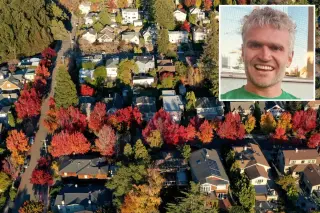
Four juveniles were arrested after a Bay Area burglary spree that hit 77 homes and cars across Contra Costa and Solano counties, involving stolen power tools, firearms and vehicles; investigators traced the stolen goods to Oakland man Wuillian Cordova-Cubias, who was charged after authorities recovered a large stash of property valued at about $250,000.
A cyberattack on Suisun City’s IT network disrupted 911 routing, police and fire dispatch, and other municipal services. The city shut down its network to contain the threat, activated its Emergency Operations Center, and declared a state of emergency as the FBI, DHS, California OES and other agencies investigate. Officials say residents are not in immediate danger while investigators determine how the breach occurred and who is responsible.
Scientists warn the 2026–27 El Niño could be the strongest on record and last into early spring 2027, with uncertain effects for the Bay Area. The period may bring warmer falls and winters and a wetter winter in parts of California, but the Bay Area sits in a less predictable zone. Higher sea levels and bigger king tides could boost coastal flooding, while a concurrent marine heatwave threatens wildlife and fisheries. Coastal infrastructure and shoreline resilience projects are underway, and residents are urged to monitor tides and wildlife reports as conditions unfold.
U.S. News & World Report’s 2026 rankings place Stanford Hospital in Palo Alto and UCSF Medical Center among the nation’s top 20 adult hospitals, with Santa Clara Valley Medical Center in San Jose 8th nationally for rehabilitation and John Muir Health Concord Medical Center 48th in cardiology, highlighting the Bay Area’s strength in medicine across specialties.
Randy’s Donuts opened its first Bay Area franchise in Santa Clara on July 31, 2026, drawing hundreds to 2595 Homestead Road as it sits across from Stan’s Donuts. The cash-only shop makes about 50 handmade doughnuts daily, with rotating flavors (like mango Tajin and matcha) visible through a front-window kitchen, and plans a drive-thru later this year as it eyes five Bay Area locations. The owners emphasize there’s room for both shops, framing it as business competition rather than a doughnut war.
A Walnut Creek rental lists $3,250 monthly rent plus a $200 work-from-home fee, sparking outrage in the Bay Area’s already high-cost market; experts say such add-on charges are rare and not best practice, underscoring calls for transparent pricing as rents rise and utilities costs strain tenants.
Santa Clara County officials confirmed the Bay Area’s first human West Nile virus infections of 2026, with two unrelated residents recovering at home; officials say the infections may be travel-related during the incubation period. West Nile is transmitted by mosquitoes and most infections are mild, but serious illness can occur and there is no human vaccine. Local mosquito testing has detected West Nile in the county this year, and residents are urged to drain standing water, report dead birds, and use mosquito repellents (DEET or oil of lemon eucalyptus), especially at dawn and dusk. Statewide, five other human cases have been confirmed this year, and public health notes past years saw regional deaths.
A SFist daily roundup notes a California COVID-19 surge with a 3.4% positivity rate, alongside local Bay Area headlines—Visa layoffs affecting about 2,600 workers, and upcoming San Francisco events such as Charli XCX Q&A at Amoeba Music and an anime pop-up in Japantown—reflecting a mix of health news and regional developments.
The Bay Area is set for its hottest stretch yet, with inland temperatures potentially over 100°F this weekend, but the bigger danger is hazardous surf from distant hurricanes that has already prompted water rescues. Forecasters warn of sneaker waves and strong rip currents, urging people to stay out of the water and off jetties, while dry conditions elevate wildfire risk inland.