
Class Action Sues Oura Over Alleged False Sleep Tracking Claims
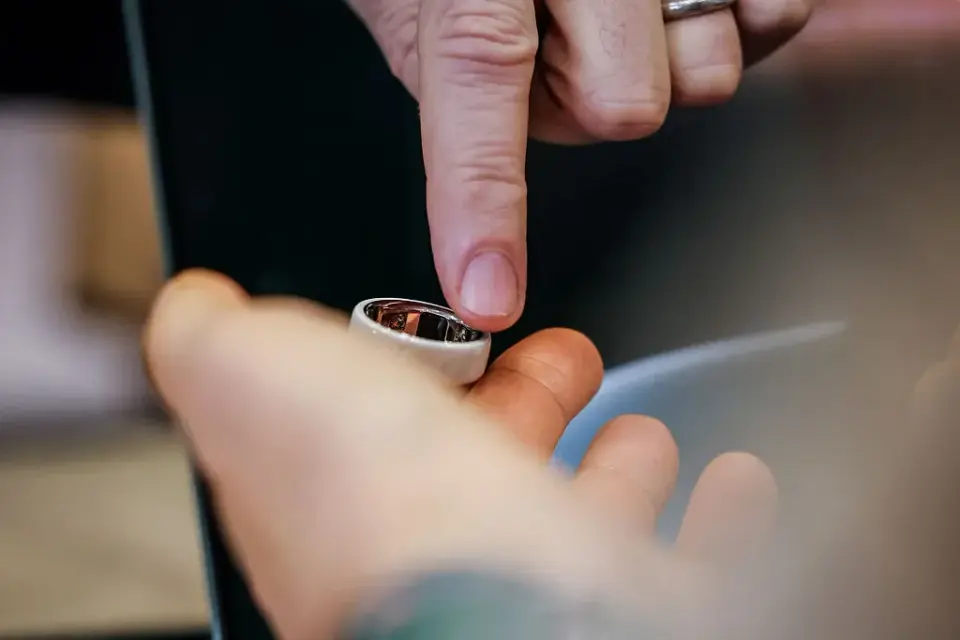
A new class-action lawsuit alleges that Oura Ring falsely advertised its ability to accurately measure sleep stages, claiming the device relies on 'AI-generated guesses' rather than clinical-grade data. The suit, filed in California, seeks to halt sales and secure restitution for consumers who purchased the $300+ rings based on misleading marketing. Oura disputes the claims, stating its methodology is validated by peer-reviewed studies and multiple physiological signals, though it acknowledges the device is not a clinical sleep study substitute.
Key points
- A proposed class-action lawsuit filed by Clarkson Law Firm in San Francisco alleges Oura engaged in false advertising by claiming its smart ring can accurately track sleep stages like REM and deep sleep.
- The complaint argues that Oura's sensors cannot detect the brain activity required for clinical sleep staging, instead relying on 'AI-generated guesses' that are no better than a coin flip, despite marketing claims of 95% accuracy.
- The suit, brought on behalf of plaintiff Madison Surber, seeks to halt the sale of Oura rings and secure restitution for consumers who overpaid for features the device allegedly cannot deliver.
- Oura responded by disputing the allegations, stating its ring estimates sleep stages using multiple physiological signals including heart rate, movement, and temperature, and that its methodology has been validated in independent studies.
- The lawsuit highlights a broader debate on wearable health devices, with experts noting that while these tools can flag symptoms, they are not diagnostic and should not be treated as clinical-grade medical equipment.
Background
Oura has faced previous legal challenges, including an ongoing class action alleging it collected sensitive personal data without consent. The company recently launched the Oura Ring 5, a slimmer, pricier upgrade with enhanced sleep tracking and illness monitoring features. The current lawsuit adds to growing scrutiny of wearable health devices, which have been criticized for causing anxiety among users who over-rely on their metrics, while others argue they promote better sleep habits. Competitors like Casio and Hatch have also entered the market with alternative approaches to health and sleep tracking.
How outlets are covering it
CNET and USA Today both report on the lawsuit but emphasize different aspects. CNET focuses on the legal and consumer protection angle, highlighting the lawsuit's claim that Oura's marketing deceives users and the potential for class-action status. USA Today provides more detail on the technical dispute, noting Oura's response that its methodology is validated by peer-reviewed studies and the broader debate on the value of wearable health devices. Both outlets agree that the lawsuit raises questions about the accuracy and reliability of sleep tracking in wearables, but CNET is more critical of Oura's marketing, while USA Today presents a more balanced view by including Oura's defense.
Why it matters
The lawsuit could have significant implications for the wearable health industry, potentially leading to stricter regulations on how companies market health-tracking features. If the court rules in favor of the plaintiffs, it could force companies like Oura to revise their marketing claims and provide clearer disclaimers about the limitations of their devices. This could also influence consumer behavior, as users may become more cautious about relying on wearable data for health decisions. The case also highlights the need for more scientific research to validate the claims made by wearable health companies.
What to watch
The next steps in the lawsuit will likely involve a determination of whether the case can proceed as a class action. If it does, Oura could face significant financial penalties and be forced to halt sales of its rings. The company may also be required to revise its marketing materials to more accurately reflect the capabilities of its device. The outcome of the case could set a precedent for other wearable health companies, potentially leading to increased scrutiny of their marketing claims and a push for more rigorous testing and validation of their products.
- Oura Faces Lawsuit Over Alleged Inaccurate AI Sleep Tracking CNET
- Oura ring doesn't accurately measure sleep quality, lawsuit says USA Today
- Oura faces lawsuit accusing it of misleading consumers about sleep-tracking accuracy TechCrunch
- Ukrainian Experts Analyze Russia’s Banderol Rocket Drone Used Against Ukraine Межа. Новини України.
- Oura Class Suit Alleges Sleep Quality Measurement Deception (1) Bloomberg Law News
Want the full story? Read the original reporting
Read on CNET