Tag

Sleep Tracking

All articles tagged with #sleep tracking

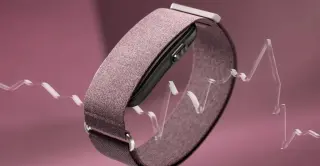
Fitbit Air: A Featherweight Tracker Fueled by Google's AI Health Coach
technology23 hours ago

Fitbit Air: A Featherweight Tracker Fueled by Google's AI Health Coach

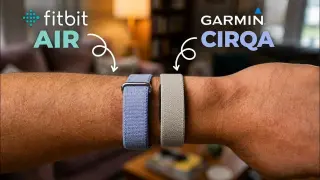
The Fitbit Air is a 12g, screen-free fitness band with a week-long battery and robust health sensors, designed to work with Google Health and a paid AI health coach that analyzes workouts and offers actionable guidance. It aims to help non-fitness enthusiasts improve sleep and overall health, with data integrated across devices, and launches May 26 at $99.

Pixel Watch hit by sleep data and step-count bugs after March update
technology7 days ago

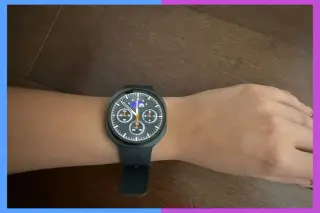
Pixel Watch hit by sleep data and step-count bugs after March update

Google’s Pixel Watch lineup (2–4) is dealing with multiple bugs after a March software update: sleep data and overnight blood-oxygen/skin-temperature readings no longer appear on the watch, with the device showing 'No recent data. Wear your watch to sleep' even though the Fitbit app records wear time and data in the background; separately, Pixel Watch 4 fails to count steps during workouts. Google says it’s working on a fix. Workarounds include ensuring Blood Oxygen and Temperature permissions are set to 'All the time' for the Fitbit app on the watch, force-stopping and clearing cache/data for Fitbit on both watch and phone, and rebooting; a factory reset remains a last resort but will erase data, with no guaranteed success.

Ultrahuman Ring Pro: A data-heavy upgrade in a mature smart-ring market
technology12 days ago

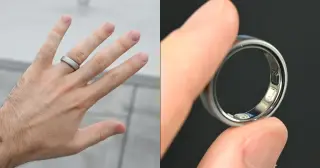
Ultrahuman Ring Pro: A data-heavy upgrade in a mature smart-ring market

Ultrahuman’s Ring Pro delivers a polished hardware and software bump—dual-core ML, 250 days storage, and a feature-rich charging case with Power Plugs—for deeper health insights, but at $479 and without a revolutionary leap over rivals like the Oura Ring 4, it feels like a strong yet non-revolutionary step in a maturing smart-ring market.

Google Unveils Fitbit Air: A Screenless $99 WHOOP Rival
technology18 days ago

Google Unveils Fitbit Air: A Screenless $99 WHOOP Rival

Google officially launches Fitbit Air, a screenless $99 wrist wearable that tracks 24/7 health metrics (HR, HRV, sleep, AFib alerts, steps and workouts) on Android and iOS, integrates with a new Google Health app and three months of Google Health Premium with the Health Coach, lasts up to seven days, and can be swapped with or used alongside a Pixel Watch; pre-orders start at $99 with various bands.

Oura Ring 4 Edges Out Whoop 5.0 for Most Users
technology1 month ago

Oura Ring 4 Edges Out Whoop 5.0 for Most Users

PCMag’s side-by-side test of the Oura Ring 4 and Whoop 5.0 finds both strong at holistic health tracking, but Oura wins for most people thanks to a stylish ring design, more granular sleep and stress data, and lower long‑term cost, even though Whoop offers longer battery life and broader activity logging via a subscription model. Both measure HR, SpO2, HRV and sleep, but Whoop emphasizes prescriptive guidance and a wider range of tracked activities, while Oura provides easier-to-read metrics and richer sleep insights, making it the default pick for screenless wellness tracking.

Sleep-Tracking Showdown: Apple Watch and Oura Ring Top Lab Sleep Test
health-and-training1 month ago

Sleep-Tracking Showdown: Apple Watch and Oura Ring Top Lab Sleep Test

A sleep-lab study tested 15 wearables against polysomnography in 18 participants across normal, restricted, recovery, and extended sleep, finding Apple Watch best for awake time but weaker for deep sleep; Oura Ring was most consistent across sleep stages; Whoop’s new algorithm was close to Oura for REM and light sleep but weaker for awake time; Garmin and Fitbit trailed, with the Circle Plus Ring performing poorly. For overall accuracy, choose Oura or Whoop; for awake-time detection, Apple Watch; Fitbit’s newer algorithm may close the gap in the future, though the study’s small sample size limits generalizability.

The 7:1 Sleep Rule Could Add Years to Your Life—and the Tools I Use to Keep It
wellness1 month ago

The 7:1 Sleep Rule Could Add Years to Your Life—and the Tools I Use to Keep It

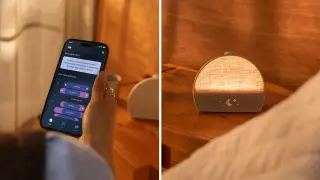
Sponsored by Tom’s Guide, this piece explains the 7:1 sleep rule—seven hours of sleep with a consistent one-hour wind-down window, five nights a week—and cites research suggesting it could add up to four years to life expectancy. It also offers a practical gear guide to help you stick to the routine, including Moonbrew Magnesium Sleep Aid cocoa, Three Spirit non-alcoholic nightcaps, a Hatch Restore 3 sunrise alarm, calming pillow sprays, journaling, and a sleep-tracker approach (e.g., Oura Ring or a Sleep Tracker Journal), plus mattress and sheet picks. The takeaway is that steady habits matter as much as fancy gear.

Why Your Sleep Score Isn’t a Verdict—and How to Use It Instead
health2 months ago

Why Your Sleep Score Isn’t a Verdict—and How to Use It Instead

Wearable sleep scores are approximate and device-specific; they’re best used to spot patterns and support behavior change, not as a medical verdict. Focus on weekly trends, total sleep time, and how rested you feel, rather than nightly scores. If tracking causes anxiety or information overload, take a break. For better sleep, stick to simple habits: avoid screens before bed, practice calming activities, keep a regular schedule, and note how caffeine or alcohol affect sleep.

Oura Ring 4 Edges Out Whoop 5.0 in Screenless Wellness Showdown
technology3 months ago

Oura Ring 4 Edges Out Whoop 5.0 in Screenless Wellness Showdown

In a head-to-head, PCMag’s comparison favors the Oura Ring 4 for most users due to its stylish design, easier-to-parse sleep and stress data, and better long-term value, while the Whoop 5.0 offers longer battery life and broader exercise tracking; overall, the Oura provides a more affordable, user-friendly screenless wellness tracker in the long run.

Start the New Year Right with These Easy Apple Device Tips
technology4 months ago

Start the New Year Right with These Easy Apple Device Tips

The article offers practical tips for using Apple devices to establish healthy habits in 2026, including sleep tracking with Apple Watch, reducing mental clutter by managing apps and notifications, going paperless, organizing digital files and emails, reviewing backup strategies, managing subscriptions, and enhancing privacy settings, all aimed at making daily life more organized and health-conscious.