
Anthropic details Claude's invisible text watermarking system for EU compliance
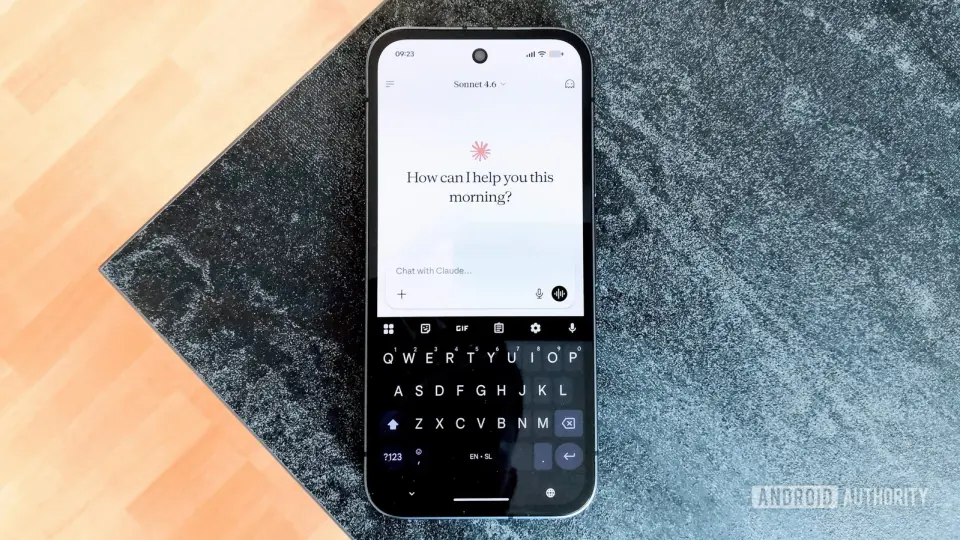
Anthropic has disclosed the technical mechanics behind Claude's new text watermarking system, which embeds invisible patterns into AI-generated content to comply with the EU AI Act. The method, based on Google DeepMind's SynthID-Text, alters word choices during 'low-stakes' generation without affecting quality, cost, or privacy. While the watermark helps verify AI involvement, it has limitations with factual or code-heavy text and cannot distinguish between full generation and minor edits.
Key points
- Anthropic uses a key-based watermarking method inspired by Google DeepMind's SynthID-Text, which changes the source of randomness for word selection without adding hidden characters or extra tokens.
- The watermark is invisible to readers and does not impact the quality, creativity, or speed of Claude's outputs, nor does it incur additional costs.
- Watermarking is less effective on factual passages, code, or proofread text where word choices are constrained by accuracy or exactness.
- The system cannot confirm if text is human-written or generated by a different AI, and its detection confidence increases with the length of the text.
- Anthropic is rolling out a detection API in private preview for eligible organizations, including regulators and enterprises, to verify Claude's involvement in content creation.
Background
This development follows Anthropic's earlier announcements in August 2026 regarding the implementation of invisible watermarks in Claude outputs to meet EU AI Act requirements. Previous coverage highlighted user backlash, with some subscribers canceling plans over concerns that watermarks might appear in professional or client work. Anthropic has since emphasized that the watermark signals processing rather than authorship and does not change ownership or legal responsibility.
How outlets are covering it
Android Authority and Anthropic both emphasize the technical neutrality of the watermark, noting it does not affect output quality or privacy. However, Anthropic provides more detail on the limitations, such as reduced effectiveness in factual or code-heavy contexts, while Android Authority highlights the broader industry context, mentioning that Google and OpenAI have adopted similar SynthID watermarks for images. Artificial Lawyer focuses on the practical implications for the legal sector, noting that watermarks may reveal AI use in client work or court submissions, which could be problematic for lawyers seeking to maintain confidentiality or avoid bias against AI-generated content. The outlet also points out that watermarks may persist in templates and could complicate the use of open-weight models in the EU.
Why it matters
The disclosure of Claude's watermarking mechanics provides transparency into how AI providers are complying with the EU AI Act, which requires marking AI-generated content. This could impact industries like law, publishing, and education, where the origin of text is critical. The limitations of the watermark, such as its reduced effectiveness in factual or code-heavy contexts, highlight the challenges of fully verifying AI involvement in all types of content. Additionally, the rollout of a detection API could enable third parties to verify AI-generated content, potentially affecting trust and accountability in AI-driven workflows.
What to watch
Anthropic plans to expand access to the watermark detection API over time and will continue to evaluate different approaches to watermarking. The company is also working to add watermarking to older Claude models, with a transition period for models launched before August 2, 2026. As more AI providers adopt similar watermarking methods, the industry may see a shift toward more standardized and interoperable AI content verification systems.
- Anthropic reveals how Claude secretly watermarks AI-written text Android Authority
- How Claude's text watermarking works Anthropic
- Anthropic's new invisible watermark marks content generated by AI chatbot Claude npr.org
- Anthropic shares more details about how Claude’s new watermarks will work TechCrunch
- Claude’s Watermarks and their Legal Sector Impact artificiallawyer.com
Want the full story? Read the original reporting
Read on Android Authority