
EU Launches Tender for Seven AI Gigafactories Amid Funding and Chip Supply Concerns
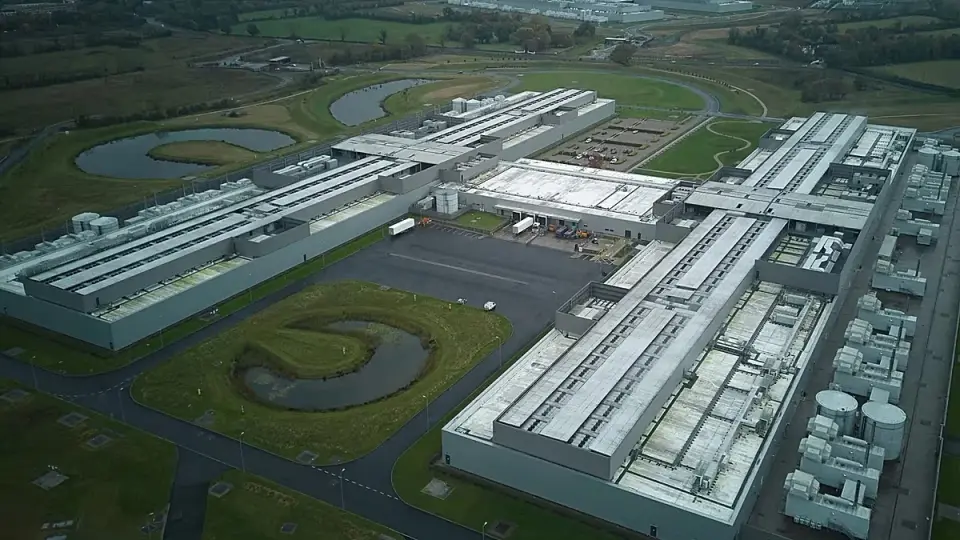
The European Commission has opened a tender for up to seven AI gigafactories to train advanced models, aiming to reduce reliance on foreign tech. The project, valued at roughly €30 billion, faces criticism for delays and funding shortfalls. Poland has joined the initiative, bidding for a medium-scale facility, while the EU struggles to secure domestic chip supplies.
Key points
- The European Commission expanded the AI gigafactory plan from four or five to up to seven sites to accommodate high industry interest, with 76 consortia showing preliminary interest.
- Total investment is estimated at €30 billion, comprising €5 billion from Brussels, €5 billion from member states, and €20 billion from private partners.
- Construction is scheduled to begin in early 2027, with facilities operational by mid-2028, though funding for the second phase depends on the unresolved Multiannual Financial Framework.
- Poland signed the Joint Procurement Agreement, bidding for a medium-scale facility with initial capacity for 25,000 AI accelerators, potentially expanding to 75,000.
- Ten countries, including Germany, France, and Italy, have expressed interest in hosting facilities, with Paris signaling a solo bid.
- The EU remains dependent on foreign chipmakers like Nvidia, AMD, and Qualcomm, despite signing memoranda of understanding to mitigate supplier lock-in.
Background
The initiative follows Commission President Ursula von der Leyen’s 2025 announcement at the AI Action Summit in Paris, aiming to replicate CERN’s success in building sovereign infrastructure. The move addresses the EU’s lag behind the US and China in massive data centre projects, which are critical for training large language models and securing economic and military advantages.
How outlets are covering it
Euronews highlights the Commission’s strategic expansion of the project scope but criticizes the slow pace and reduced public funding, noting that Brussels can only commit €1 billion initially. It emphasizes the risk of supplier lock-in despite MOUs with US chipmakers. Notes From Poland focuses on the national opportunity, detailing Poland’s commitment to purchase 17% of the computing power and its potential to attract €2.3 billion in investment. While Euronews frames the delay as a hindrance to competitiveness, the Polish perspective views the tender as a historic chance to lead in AI infrastructure, with companies already showing 'enormous' interest in pre-selling capacity.
Why it matters
This initiative is pivotal for the EU’s digital sovereignty, attempting to break dependence on US and Chinese cloud and chip suppliers. Success could position Europe as a major player in AI training infrastructure, though funding uncertainties and reliance on foreign hardware remain significant hurdles. For member states like Poland, it offers a chance to anchor high-tech investment and secure long-term access to advanced computing resources for research and industry.
What to watch
The procurement process will proceed in two phases over 6.5 years. Bidding consortia have 15 weeks to submit proposals, with contracts expected in early 2027. Physical construction begins in early 2027, and facilities should be operational by mid-2028. The outcome of the Multiannual Financial Framework negotiations will determine the availability of funds for the second phase of the project.
- EU opens call for seven 'gigafactories' to train AI technologies Euronews.com
- EU aims for seven AI gigafactories with €10 billion plan in race with US, China Reuters
- EU Pledges €10 Billion in Public Funding for New AI Data Centers Bloomberg
- Poland enters race to host EU-backed AI gigafactory Notes From Poland
- EU Opens Call for Creation of Local AI Gigafactories WSJ
Want the full story? Read the original reporting
Read on Euronews.com