
European Fridge Hacks Expose Critical IoT Vulnerabilities, Prompting US and EU Security Warnings
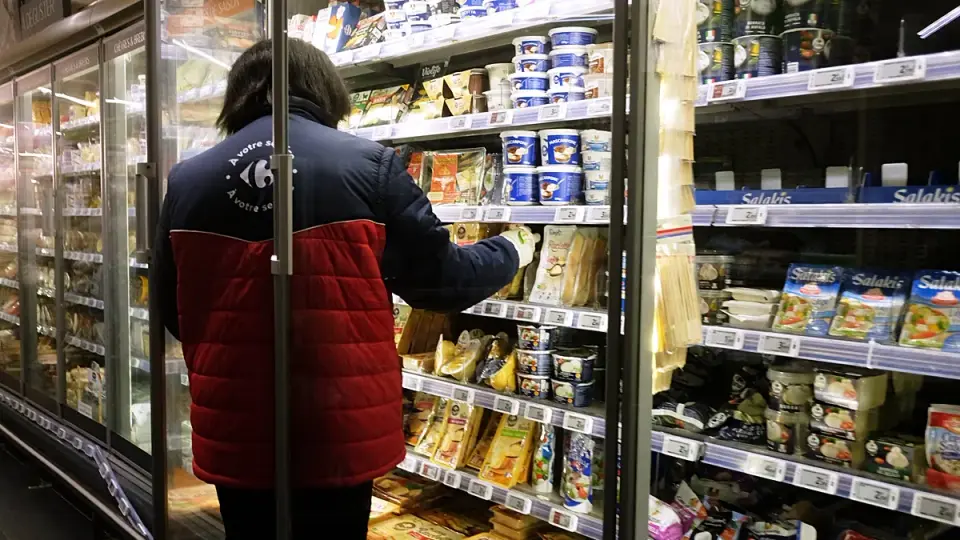
Cyberattacks on internet-connected refrigeration systems in Europe and the US have forced temperature spikes, spoiling food and threatening blood supplies. Experts attribute the breaches to basic security failures, while authorities warn that similar vulnerabilities exist across critical infrastructure.
Key points
- On November 2-3, 2026, hackers exploited vulnerabilities in Danfoss AK-SM controllers to set supermarket freezers in nine European countries and French blood banks to defrost mode, reaching 50°C.
- Cybersecurity firm Lupovis detected 276 reconnaissance attempts from 91 threat actors in October, suggesting a coordinated operation potentially involving a state actor.
- US federal agencies, including CISA and the FBI, issued joint warnings on November 5, 2026, urging organizations to secure industrial refrigeration systems against similar attacks.
- The attacks exploited factory-default credentials and exposed controller boxes, highlighting a failure to treat physical infrastructure as part of the digital attack surface.
- Attribution remains uncertain, with some analysts suspecting Russian state actors due to bulletproof hosting links, while others argue the methods were too basic for a sophisticated state campaign.
Background
This incident follows earlier waves of cyberattacks on refrigeration systems in Europe and the US in late 2026. Previous coverage noted that similar attacks targeted military bases and grocery chains, with initial speculation pointing to Iranian state-linked hackers, though attribution remained contested. The current events underscore a growing pattern of hybrid threats targeting critical infrastructure.
How outlets are covering it
Euronews and Lupovis emphasize the coordinated nature of the attacks, citing reconnaissance activity and bulletproof hosting links to Russian groups. The Guardian frames the incident as part of a broader 'greyzone aggression' strategy, linking it to aviation hoaxes and the need for civilian preparedness. CBS News focuses on the US response, highlighting federal warnings and the potential for similar attacks in American healthcare and agriculture sectors. WIRED, while largely obscured by cookie consent text, frames the event as a wake-up call for the Internet of Things. Analysts like George Nott of The Grocer argue the attacks used basic, already-patched vulnerabilities, suggesting they may not be state-sponsored, while others like Xavier Bellekens of Lupovis point to the scale and coordination as evidence of a state actor.
Why it matters
The attacks demonstrate that critical infrastructure, such as refrigeration systems, is vulnerable to cyber threats due to poor security practices. This has immediate physical consequences, including food spoilage and potential fire hazards, and raises concerns about the security of other connected devices in healthcare, logistics, and building management. The incident highlights the need for better integration of physical and digital security, as well as the potential for AI to accelerate the discovery and exploitation of vulnerabilities in connected devices.
What to watch
US and European authorities are likely to issue further guidance on securing industrial refrigeration systems. Organizations are expected to review their security protocols, including changing passwords, disconnecting devices from the internet, and updating software. The incident may also prompt a broader reevaluation of how physical infrastructure is integrated into cybersecurity frameworks, with a focus on runtime defense and self-protection capabilities for connected devices.
- Hackers probed Europe’s fridge systems weeks before cyberattacks. Who did it and what could they target next? Euronews.com
- Freezer meltdowns and airline hoaxes are a taste of things to come. Hoping for the best is no longer an option The Guardian
- The Fridge-Hacking Spree Is an Internet-of-Things Wake-Up Call WIRED
- Federal agencies warn organizations about potential cyberattacks on industrial refrigerators CBS News
- New cyberattack on supermarket fridges sweeps across Europe Reuters
Want the full story? Read the original reporting
Read on Euronews.com