
FCC Authorizes SpaceX to Deploy 1 Million Orbital Data Centers
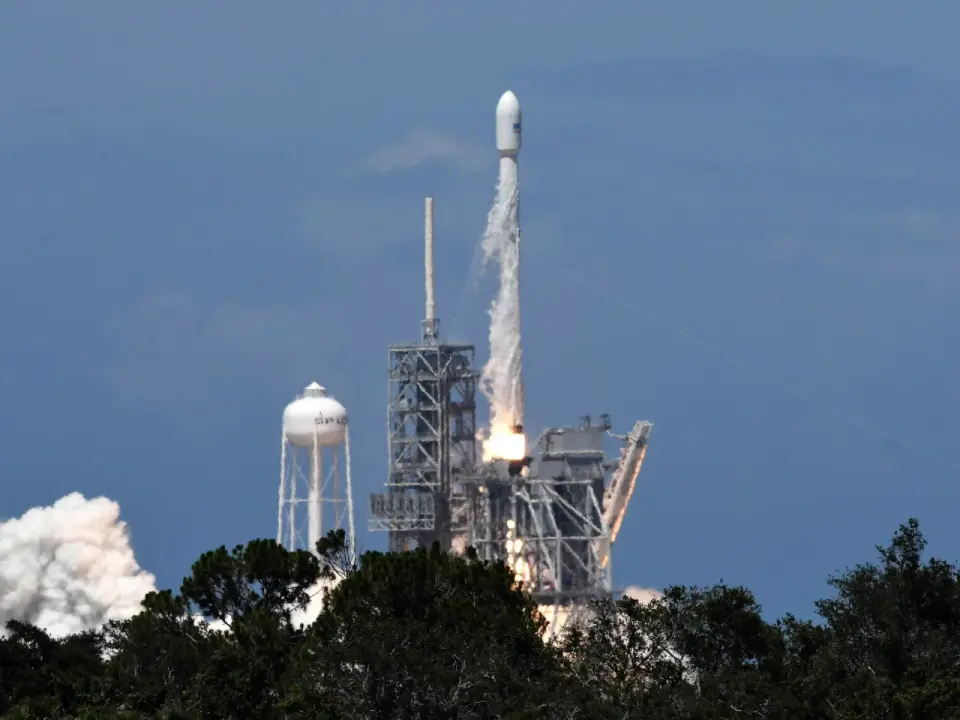
The US Federal Communications Commission (FCC) has granted SpaceX approval to launch a constellation of up to 1 million satellites for orbital data centers, a project named Starmind. This marks the first such authorization in US history, aimed at meeting growing demand for AI computing power. While supporters highlight potential energy efficiency using solar power, critics argue the technology is unproven and the timeline unrealistic. Deployment is not required to begin until 2033, with full rollout targeted for 2040.
Key points
- The FCC approved SpaceX's application for 1 million 'Starmind' satellites, which will operate as orbital data centers to process AI data and relay results to Earth.
- FCC Chairman Brendan Carr stated the move supports America's 'super intelligence economy' and opens a new frontier for computing infrastructure.
- Deployment milestones require SpaceX to launch its first satellite by November 2033, reach 10% capacity by 2035, 50% by 2038, and full capacity by 2040.
- Critics, including Amazon and the American Astronomical Society, argue the plan is technically unviable and could harm astronomical research and increase space debris.
- SpaceX plans to begin testing in 2027, with satellites operating in low-Earth orbit between 500 and 2,000 km altitude.
Background
SpaceX filed its Starmind application in January 2026, following its acquisition of Elon Musk's AI company xAI. The approval follows earlier regulatory wins, including exclusive access to high-accuracy space tracking data from the US Space Force in October 2026. Competitors like Google and Blue Origin are also pursuing orbital data center concepts, but SpaceX's plan is the largest and first to receive FCC authorization.
How outlets are covering it
Supporters, including FCC Chairman Brendan Carr and Elon Musk, frame the approval as a critical step for US leadership in AI and space, citing energy efficiency and reduced environmental impact compared to terrestrial data centers. Critics, including Amazon, Viasat, and the American Astronomical Society, argue the technology is unproven, the timeline is unrealistic, and the plan could lead to space congestion and harm astronomical research. The FCC dismissed these concerns as outside its regulatory scope or speculative.
Why it matters
The approval signals a shift in US policy toward space-based infrastructure for AI, potentially reducing reliance on ground-based data centers that face local opposition and high energy costs. It also sets a precedent for future orbital computing projects, though it raises concerns about space debris and astronomical interference.
What to watch
SpaceX plans to launch its first Starmind satellite in 2027, with deployment ramping up in 2028 and 2029. The FCC has deferred approval for alternative satellite disposal methods, requiring SpaceX to file for modifications before deploying satellites that will not re-enter Earth's atmosphere. Competitors like Google and Blue Origin are expected to seek similar approvals in the coming months.
- US grants SpaceX approval for 1 million space data centres Al Jazeera
- US approves SpaceX plan to send a million data satellites to space BBC
- Trump administration approves Elon Musk’s plan for datacenters in space The Guardian
- FCC green lights SpaceX’s plan to launch 1 million ‘Starmind’ data center satellites Spaceflight Now
- SpaceX stock pares losses following FCC approval for data centers in space Yahoo Finance
Want the full story? Read the original reporting
Read on Al Jazeera