
AI Job Displacement: AI Models Agree on Top 10 Roles, While Data Shows Real-World Impact on Graduates
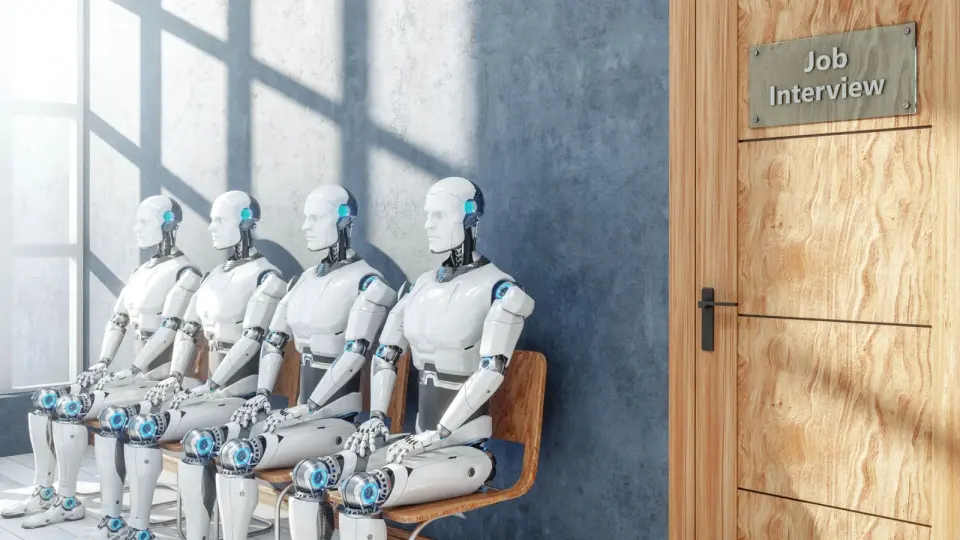
Tom's Guide reports that ChatGPT, Gemini, Claude, and Perplexity unanimously agree on the ten jobs most likely to be replaced by AI, with one role standing out. Meanwhile, Federal Reserve Bank of Dallas research shows that generative AI has already reduced job postings in Texas by 2.6% in 2025, disproportionately affecting recent college graduates. The Financial Times highlights that this labor market shift is occurring in the heart of the US data center boom, while the International Labour Organization warns of rising global youth unemployment.
Key points
- Tom's Guide asked four major AI models to rank the ten jobs most likely to be replaced by AI, finding unanimous agreement on the top ten, with one specific job standing out across all models.
- Federal Reserve Bank of Dallas research indicates that job postings for AI-exposed occupations in Texas fell by approximately 8% by the first quarter of 2025, compared to less-exposed roles.
- The Dallas Fed study found that automation exposure reduced total online job postings in Texas by 1.8% in 2024 and 2.6% in 2025, with the most exposed occupations being in software development, web design, and clerical roles.
- Recent college graduates in Texas are experiencing 'unusually high levels' of unemployment, and current students are adjusting their educational decisions in response to the shifting labor market.
- The International Labour Organization reports that global youth unemployment in North America rose from 8.3% in 2023 to 9.8% in 2025, with entry-level jobs in clerical and administrative roles shrinking.
Background
In July 2026, Tom's Guide published an analysis comparing the capabilities of ChatGPT, Gemini, Claude, and Perplexity, noting that while each model has distinct strengths, they share common limitations. In August 2026, a widespread outage affected multiple AI platforms, including ChatGPT, Claude, and Gemini, highlighting the growing reliance on these services. Additionally, in August 2026, Saber Interactive faced controversy after its CEO admitted to replacing a lead writer with AI for the game Rideshare Simulator, sparking debate over transparency in AI usage.
How outlets are covering it
Tom's Guide focuses on the consensus among AI models regarding which jobs are most vulnerable to automation, emphasizing the agreement between ChatGPT, Gemini, Claude, and Perplexity. The Federal Reserve Bank of Dallas provides empirical data on the actual impact of AI on labor demand in Texas, showing a measurable decline in job postings for AI-exposed roles. The Financial Times contextualizes these findings within the broader political and economic landscape of the US data center boom, noting the tension between AI proponents and public opposition. The International Labour Organization offers a global perspective, warning that AI is contributing to rising youth unemployment in higher-income economies, particularly in North America and Europe.
Why it matters
The convergence of AI model predictions and real-world labor market data suggests that AI is not just a theoretical threat but is already reshaping employment opportunities, particularly for entry-level workers. The disproportionate impact on recent college graduates and the shift in educational decisions indicate that the labor market is adapting to AI capabilities, potentially altering career trajectories and economic outcomes for young workers. This trend could have long-term implications for economic growth, inequality, and the future of work.
What to watch
As AI adoption continues to accelerate, the impact on labor markets is likely to deepen, with more occupations becoming exposed to automation. Policymakers and educators may need to adapt to the changing demands of the labor market, potentially through retraining programs or changes in educational curricula. The political debate over data centers and AI infrastructure may also intensify, as communities weigh the economic benefits against the social costs of AI-driven job displacement.
- I asked AI to rank the 10 jobs most likely to be replaced by AI — here's what they all agreed on Tom's Guide
- The jobs apocalypse is postponed. An AI jobs boom is here The Economist
- Job postings show early signs of AI automation impact dallasfed.org
- AI hits college graduates in the heart of America’s data centre boom ft.com
- Is AI displacing workers? The data says no. Yahoo Finance
Want the full story? Read the original reporting
Read on Tom's Guide