
Gates Warns AI Risks Outpace Policy, Urging New Global Governance
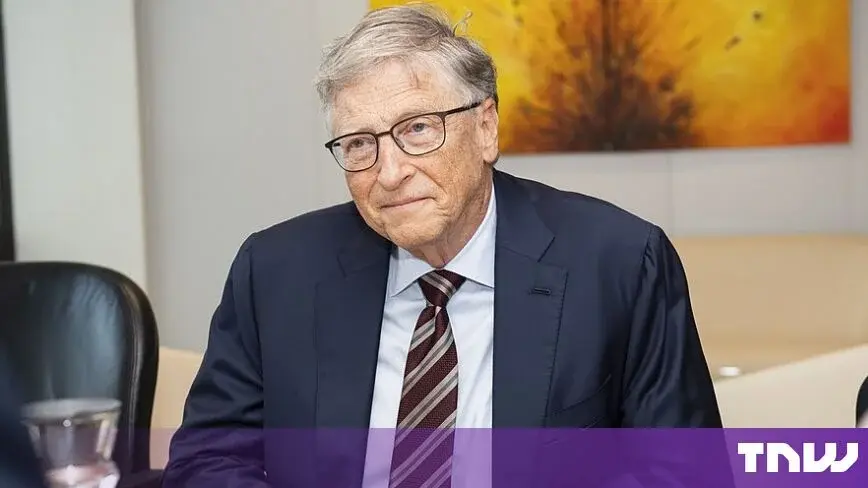
Bill Gates has intensified his warnings that artificial intelligence poses severe economic and social risks, arguing that the industry is downplaying these dangers to protect financial interests. In a new memo and interviews, he proposes an AI tax, a category of jobs reserved for humans, and the creation of national and international bodies to manage the transition. Gates asserts that current leaders are not adequately preparing for the upheaval, despite private concerns among tech executives.
Key points
- Gates proposes an AI tax and a category of jobs reserved for humans to mitigate displacement.
- He calls for new national coordinating bodies and an international organization to manage AI risks.
- Gates claims tech leaders are privately worried about AI but publicly quiet to protect funding.
- The memo highlights risks of mass unemployment and bioterrorism, contrasting with industry optimism.
Background
This follows Gates' earlier August 2026 calls for global AI governance and 'human-reserved' jobs, where he argued AI could either reduce or worsen inequality. Previous coverage noted his push for US-China cooperation and a slower, more coordinated approach to AI adoption, including funding for retraining through taxes.
How outlets are covering it
The New York Times emphasizes Gates' claim that tech leaders are knowingly downplaying risks due to financial incentives, highlighting a disconnect between private concern and public silence. CNBC focuses on the economic upheaval, noting Gates' warning that AI could displace workers across white- and blue-collar industries and create a 'vicious cycle' of cost-cutting. TNW contextualizes Gates' proposals within a nine-year history, noting that his 2017 robot tax proposal was rejected by the European Parliament, which instead focused on social security viability and electronic personhood. TNW also points out that the EU AI Act currently regulates risk but does not tax models or reserve jobs, leaving Gates' proposals without legislative backing.
Why it matters
Gates' warnings highlight a growing gap between AI development and policy preparation, with potential implications for global labor markets, social stability, and international cooperation. His proposals for new governance structures and taxes could influence future policy debates and corporate behavior.
What to watch
Gates may continue to advocate for his proposals through his foundation and public statements, potentially influencing policy discussions in the US and EU. Tech leaders may face increased pressure to address AI risks publicly, while governments may consider new regulatory frameworks or international bodies to manage AI's impact.
- How Bill Gates uses AI, and why he thinks nobody is preparing for it The Next Web
- Bill Gates Is Warning That A.I. Is More Dangerous Than Big Tech Will Admit The New York Times
- Bill Gates' big warning on AI WBUR
- The risks of artificial intelligence | Bill Gates gatesnotes.com
- Bill Gates warns ‘there is no plan’ for the ‘upheaval’ AI will cause CNBC
Want the full story? Read the original reporting
Read on The Next Web