
GM to Deploy Native AI Assistant for Predictive Maintenance and Telemetry
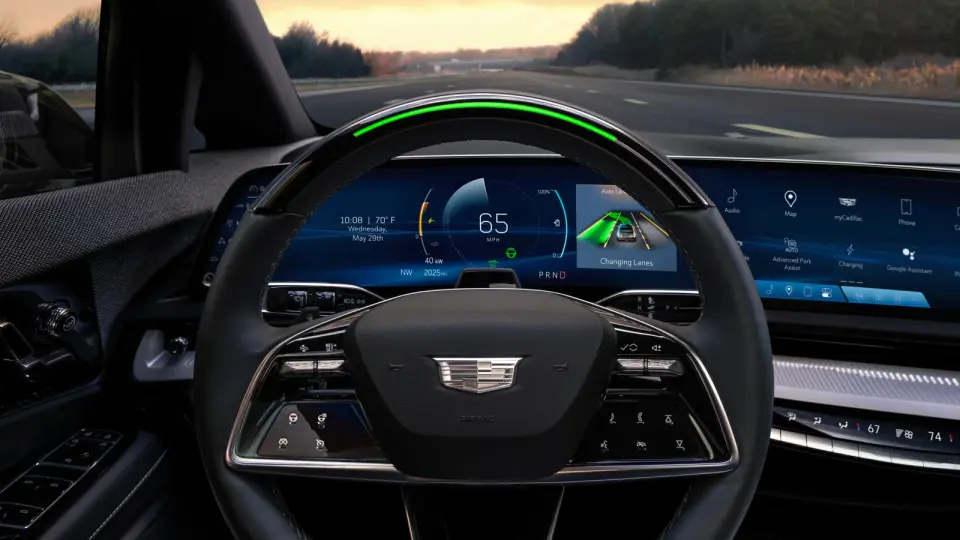
General Motors is preparing to launch a proprietary in-vehicle AI assistant later in 2026, designed to be more deeply integrated with vehicle systems than its current Google Gemini partnership. The new system will leverage GM’s proprietary data and OnStar intelligence to offer predictive maintenance, real-time telemetry, and personalized features like a 'kids setting' for climate and security controls. While GM aims to streamline vehicle development cycles using AI, critics question whether accelerated design processes might compromise long-term reliability and safety standards.
Key points
- GM plans to release a native AI assistant later this year that integrates conversational AI with vehicle-specific knowledge and OnStar intelligence.
- The system will utilize proprietary GM data to provide predictive maintenance, vehicle telemetry, and personalized user experiences, such as a 'kids setting' that adjusts seats, climate, and door locks.
- GM is collaborating with an unnamed large language model provider to develop this technology, moving beyond the general-purpose capabilities of the recently launched Google Gemini assistant.
- GM’s new chief product officer claims AI tools have reduced vehicle development cycles from four to five years down to approximately two years, with the 2027 Chevrolet Silverado being the first product to benefit from this accelerated process.
- Critics argue that while AI speeds up design and testing, it may not adequately account for real-world unpredictability, potentially leading to quality issues similar to recent recalls at competitor Ford.
Background
GM recently rolled out Google’s Gemini AI assistant in eligible 2022 and newer model year vehicles across its Cadillac, Chevrolet, Buick, and GMC brands in the U.S. This move follows a broader industry trend where automakers are integrating advanced AI into both consumer-facing features and internal engineering processes. The company has also been pivoting away from an EV-intensive product lineup, instead focusing on technology and AI specialization, including layoffs of traditional roles in favor of tech-focused hires.
How outlets are covering it
CNBC and Pluang emphasize the technical advancements and user-centric benefits of GM’s new AI assistant, highlighting its integration with vehicle telemetry and OnStar intelligence. Jalopnik, however, offers a more skeptical view, questioning whether AI-accelerated design processes can ensure long-term vehicle reliability and safety, citing potential risks of overlooking real-world unpredictability. Marketscreener provides a neutral financial perspective, noting GM’s strong quality and ESG ratings, but does not delve into the technical specifics of the AI rollout. The divergence in perspectives reflects a broader debate in the automotive industry about the trade-offs between speed and quality in AI-driven development.
Why it matters
GM’s move to develop a proprietary AI assistant signals a strategic shift toward greater control over its technology stack, reducing reliance on third-party providers like Google. This could enhance user experience and operational efficiency but also raises questions about the long-term impact of AI-accelerated design on vehicle safety and reliability. As automakers race to adopt AI, the balance between innovation and quality assurance will be critical to maintaining consumer trust and regulatory compliance.
What to watch
GM is expected to launch its native AI assistant later in 2026, with initial integration in select models. The company will likely continue to refine its AI tools for vehicle design and testing, potentially expanding the use of AI in other areas of its operations. Investors and consumers will watch closely for the real-world performance of AI-designed vehicles, particularly the 2027 Chevrolet Silverado, to assess whether GM’s accelerated development process maintains the quality and safety standards expected of its products.
- GM to launch its own in-vehicle AI system later this year CNBC
- GM Fully Believes AI Will Help Make Its Cars Better And Faster Jalopnik
- General Motors Plans to Launch In-Vehicle AI System This Year marketscreener.com
- GM to launch a deeply integrated AI assistant t... Pluang
- GM to roll out its own AI system this year Breakingthenews.net
Want the full story? Read the original reporting
Read on CNBC