
Humanoid Robots Face Real-World Hurdles Amid Policy and Performance Gaps
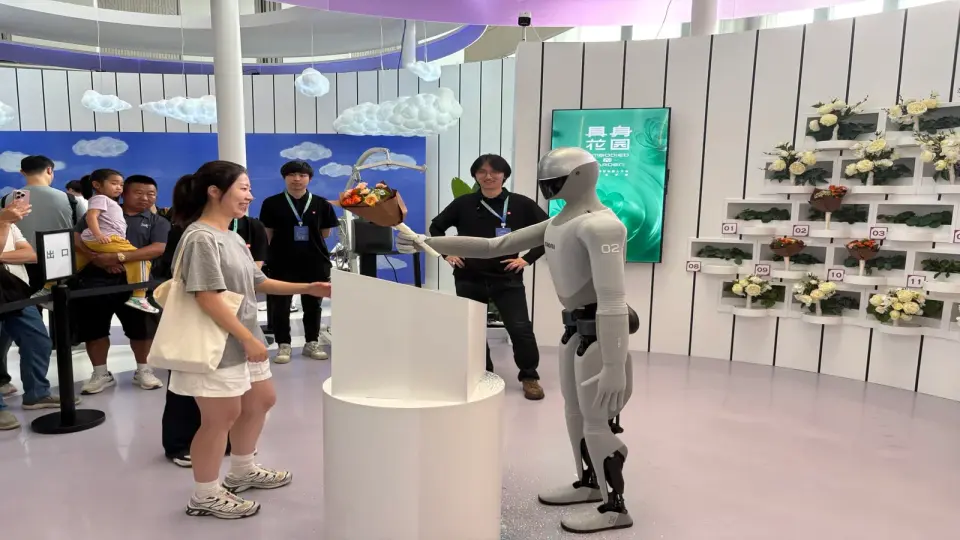
Beijing’s World Robot Conference highlighted that humanoid robots remain costly and slow to learn, limiting their use in the workforce, even as new U.S. export controls on advanced robotics loom. While the immediate impact is muted by low humanoid adoption in the U.S., industry leaders say incumbents must deliver safe, affordable solutions and near-perfect task completion to gain traction. Xiaomi showcased its humanoid, Keenon reports strong deployment (over 100k units, aiming for 150k next year) in hotels and delivery contexts, and Unitree, despite a 460% IPO surge, saw its stock dip as the market weighs practical viability. The takeaway: the tech still needs major reliability and cost improvements before humanoids become mainstream.)
- Chinese humanoid robots' biggest obstacle: humans are still (mostly) better CNBC
- Unitree’s Humanoids Have a Long March to Usefulness Bloomberg.com
- Chinese companies to watch at the World Robot Conference Reuters
- Robotics' ChatGPT Moment Can Still Take up to 5 Years: Unitree CEO Business Insider
- China's firm to deploy 1,000 robots into demanding real-world jobs Interesting Engineering
Want the full story? Read the original reporting
Read on CNBC