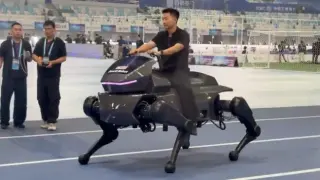
At the 2026 World Robot Conference in Beijing, DaxAI Robotics showcased the Qiji X1, a rideable four-legged robot that can carry a human rider up to 660 pounds, signaling China’s push into legged-robot mobility alongside humanoid machines.
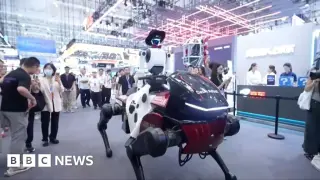
At the 2026 World Robot Conference in Beijing, Chinese manufacturers showcased robot horses and dancing humanoids, while Unitree Robotics made its Shanghai stock market debut; the event also hosts the World Humanoid Robot Games with over 2,000 robots from 16 countries.
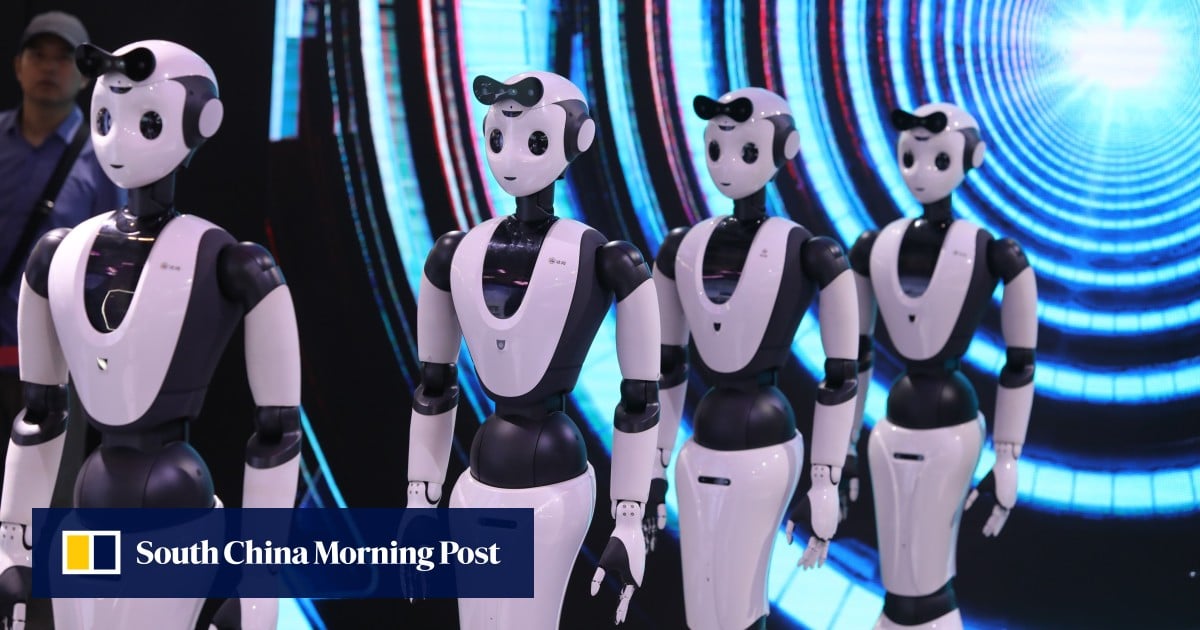
Beijing’s World Robot Conference highlighted that humanoid robots remain costly and slow to learn, limiting their use in the workforce, even as new U.S. export controls on advanced robotics loom. While the immediate impact is muted by low humanoid adoption in the U.S., industry leaders say incumbents must deliver safe, affordable solutions and near-perfect task completion to gain traction. Xiaomi showcased its humanoid, Keenon reports strong deployment (over 100k units, aiming for 150k next year) in hotels and delivery contexts, and Unitree, despite a 460% IPO surge, saw its stock dip as the market weighs practical viability. The takeaway: the tech still needs major reliability and cost improvements before humanoids become mainstream.)
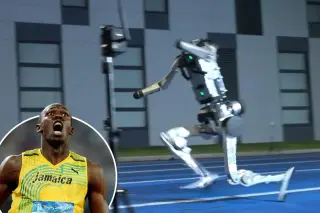
Unitree unveiled a humanoid robot nicknamed 'Superman' claiming a top speed of 12.66 m/s (28.3 mph) and a 2-meter standing jump, touted in a video as potentially beating Usain Bolt. Developed in about three months, the bot is slated for a Shanghai STAR Market debut alongside events like the World Robot Conference, but experts caution that such feats require verification and highlight safety concerns after previous Unitree incidents with robots injuring a handler and a child.
China aims to boost the use of robots in manufacturing as a means to fuel economic growth, believing that the robotics industry is on the verge of a revolutionary leap. With revenues surpassing $23 million last year, China is already the world's leading market for the sector.