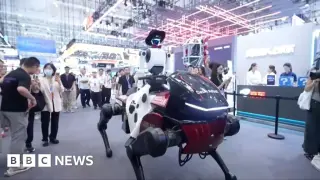
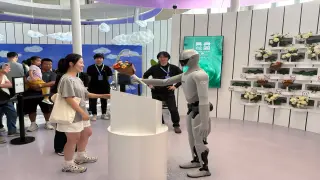
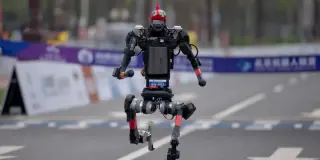
At the 2026 World Robot Conference in Beijing, Chinese manufacturers showcased robot horses and dancing humanoids, while Unitree Robotics made its Shanghai stock market debut; the event also hosts the World Humanoid Robot Games with over 2,000 robots from 16 countries.
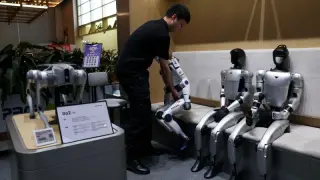
Beijing’s World Robot Conference highlighted that humanoid robots remain costly and slow to learn, limiting their use in the workforce, even as new U.S. export controls on advanced robotics loom. While the immediate impact is muted by low humanoid adoption in the U.S., industry leaders say incumbents must deliver safe, affordable solutions and near-perfect task completion to gain traction. Xiaomi showcased its humanoid, Keenon reports strong deployment (over 100k units, aiming for 150k next year) in hotels and delivery contexts, and Unitree, despite a 460% IPO surge, saw its stock dip as the market weighs practical viability. The takeaway: the tech still needs major reliability and cost improvements before humanoids become mainstream.)
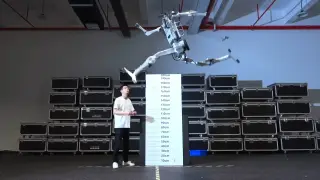
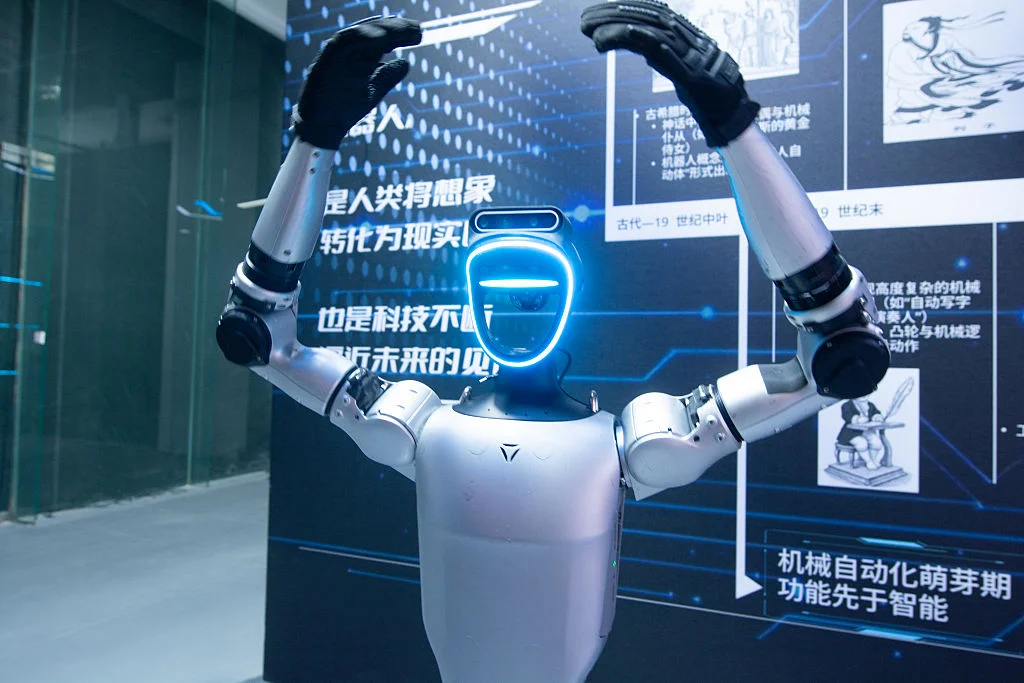
Unitree Robotics' new 'Superman' humanoid can perform a standing high jump of about two meters and run at 12.66 meters per second, surpassing human records. Built with roughly 40 joints and advanced AI for balance and articulation, the robot (alongside G1 and H2 models) has been showcased in a Chinese New Year demonstration and highlights China's rapid leadership in humanoid robotics; the article notes prior Chinese record feats and mentions a Unitree G1 listed at $17,990 on Amazon.
Unitree Robotics vaulted to about a $50 billion valuation on its Shanghai STAR Market debut, with shares finishing up 460% after opening at 150.8 yuan; the company, famous for backflipping humanoids and a new 'Superman' robot, is profitable but mainly sells to universities and research institutions, and it remains cut off from the U.S. market by export controls and a military‑company designation; the listing underscores China’s aggressive push into AI and robotics and is viewed as a bellwether for humanoid robotics demand despite uncertain consumer demand.
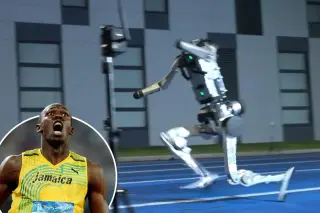
Unitree revealed a new 'Superman' humanoid robot claiming a top speed of 12.66 m/s and a 2-meter jump—faster than Usain Bolt’s world-record pace—ahead of its Shanghai IPO valued at about $9 billion; the company did not independently verify the speed claims, and while the demo underscores rapid growth in China’s robotics sector, real-world deployment remains uncertain.
Unitree unveiled a humanoid robot nicknamed 'Superman' claiming a top speed of 12.66 m/s (28.3 mph) and a 2-meter standing jump, touted in a video as potentially beating Usain Bolt. Developed in about three months, the bot is slated for a Shanghai STAR Market debut alongside events like the World Robot Conference, but experts caution that such feats require verification and highlight safety concerns after previous Unitree incidents with robots injuring a handler and a child.
China’s Unitree, renowned for dancing humanoid robots, is set to list on Shanghai’s STAR Market in a record-breaking IPO after raising about 6.1 billion yuan with more than 8,000 times oversubscription. The Hangzhou-based company posts 2025 revenue about 1.7 billion yuan and net profit around 278 million yuan, shipped over 5,500 humanoid units, and this year unveiled the Superman robot capable of jumping 2 meters and speeds of 12.66 m/s. While the listing cements China’s humanoid robotics push, it faces headwinds from US sanctions and import restrictions that could affect overseas sales, though Unitree is expanding embodied-AI research with Nvidia and plans to use proceeds for R&D and factory expansion.
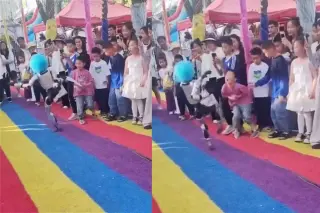
A video shows a Unitree G1 humanoid robot in a blue clown wig delivering a roundhouse kick to a child at a Xinjiang event, causing pain but no serious injuries. The incident highlights safety risks of powerful humanoid robots around crowds, given the robot’s roughly 70-pound frame and torque over 100 Nm, and echoes prior accidents and lawsuits about potential harm from high-powered robots.
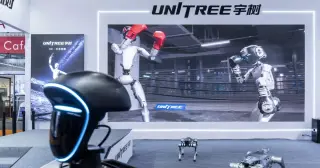
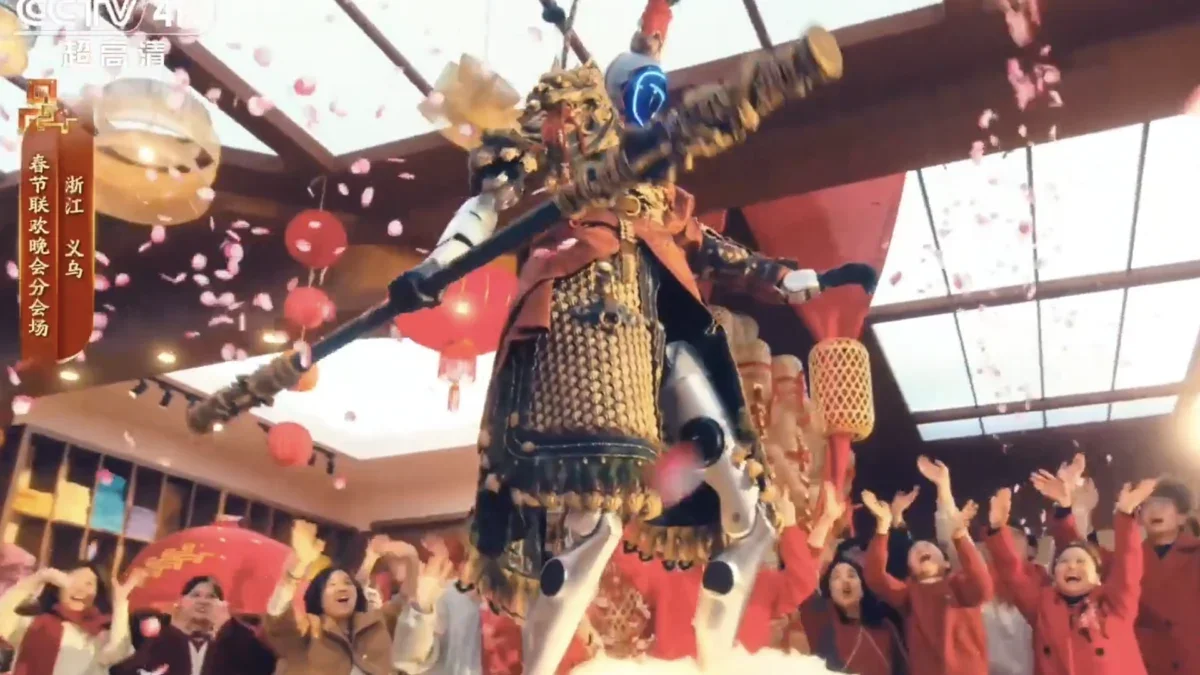
China publicly displays autonomous kung fu-capable robots from Unitree (G1/H2) and Robotera during Lunar New Year broadcasts, featuring backflips, weapon handling, and synchronized moves. While the autonomy of these demonstrations remains debatable and the performance is choreographed, the showcase underscores rapid progress in Chinese robotics and suggests Western efforts have more ground to cover, even as past viral missteps remind us the technology is far from flawless.
Chinese robotics firm Unitree showcased kung-fu–style robots on CCTV’s Spring Festival, performing feats with nunchucks to a massive audience, sparking a mix of admiration for the tech and questions about weaponized bots and government-driven TV productions.