
Class Action Sues Oura Over Alleged False Sleep Tracking Claims
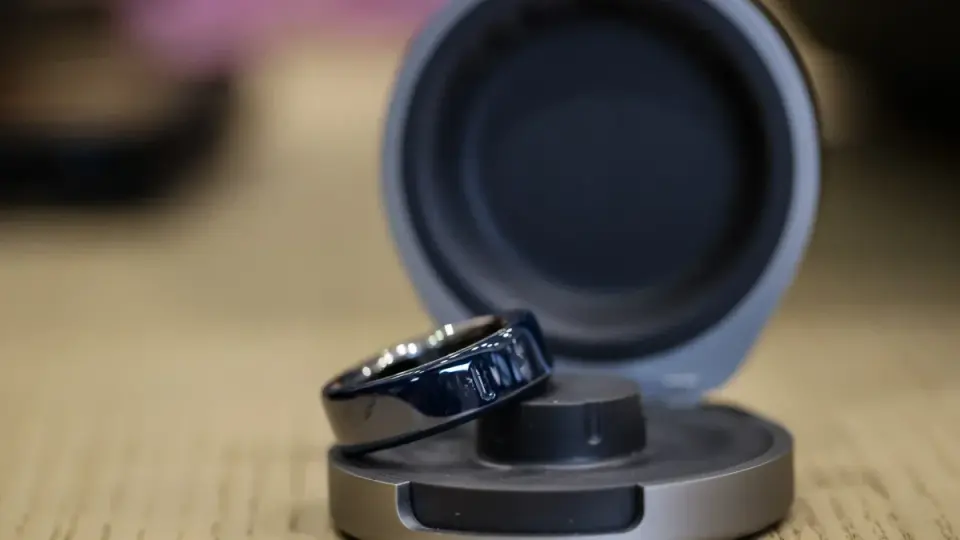
A class-action lawsuit filed in California alleges that Oura Ring’s sleep-tracking features are inaccurate and misleading. The complaint claims the device cannot measure sleep stages without clinical-grade sensors, relying instead on AI estimates. Oura disputes the claims, stating its methodology is validated by scientific studies.
Key points
- A class-action lawsuit was filed on August 20, 2026, in the Northern District of California against Oura.
- The suit alleges that Oura Ring cannot accurately measure sleep stages or cycles because it lacks the electrodes required for clinical sleep studies.
- Plaintiff Madison Surber purchased an Oura Ring 4 Gold for $513.68 in May 2025, claiming she was misled by marketing.
- The lawsuit seeks over $5 million in monetary compensation for more than 100 class members.
- Oura responded by disputing the allegations and citing peer-reviewed studies that support its sleep-staging accuracy.
Background
This legal action follows earlier scrutiny of wearable health devices, including a separate ongoing class action alleging Oura collected sensitive personal data without consent. Oura Ring 5, launched in 2026, was reviewed as a top sleep tracker, but this lawsuit questions the fundamental accuracy of the brand’s core sleep metrics. The broader market for sleep tracking is valued at nearly $7 billion, with Oura holding a significant share.
How outlets are covering it
Mashable and CNET emphasize the lawsuit’s core argument that Oura’s AI-based estimates are no better than a 'coin flip' and that the company is deceiving consumers by marketing non-clinical data as reliable science. USA Today highlights the consumer impact, noting that users rely on these scores for health decisions, and includes Oura’s official response defending its methodology. CNET also notes that Oura has not yet responded to requests for comment regarding the specific claims of false advertising, while USA Today reports that Oura has actively disputed the allegations. All sources agree that the lawsuit seeks to halt the marketing of sleep-tracking capabilities and secure restitution for buyers.
Why it matters
The outcome of this lawsuit could set a precedent for the accuracy standards of wearable health technology. If the court rules that Oura’s sleep-tracking claims are misleading, it may force the entire industry to clarify the limitations of AI-based health estimates. This could impact consumer trust in smart rings and other wearables that promise clinical-grade insights without using clinical-grade sensors.
What to watch
The case will proceed in the Northern District of California, with the court determining whether to grant class-action status. Oura is expected to defend its methodology using scientific studies, while the plaintiffs will argue that the marketing claims are deceptive. The lawsuit seeks to halt the sale of the rings and secure restitution for affected customers.
- Lawsuit alleges Oura ring doesn't accurately track sleep Mashable
- Oura Faces Lawsuit Over Alleged Inaccurate AI Sleep Tracking CNET
- Oura ring doesn't accurately measure sleep quality, lawsuit says USA Today
- Smart ring Oura accused of overstating sleep-tracking accuracy, class-action lawsuit alleges 11Alive.com
- Oura Ring Is Heading Toward an IPO. Now a Lawsuit Targets One of Its Biggest Selling Points inc.com
Want the full story? Read the original reporting
Read on Mashable