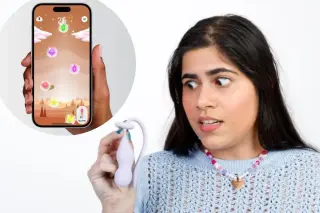
Perifit Care+ is a $199 insertable smart device that gamifies Kegel exercises through a smartphone app, offering real-time feedback to ensure correct muscle engagement and improve bladder control.
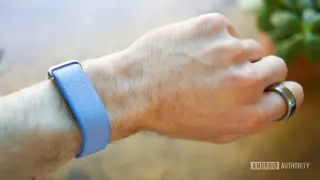
Independent developers have released apps to add notification vibrations to the Fitbit Air, a device Google designed without alert capabilities. Android users can use Cuff or Air Relay, while iOS users can try AirBuzz. These tools allow selective buzzing for calls and messages, addressing a major omission in Google’s screenless tracker.
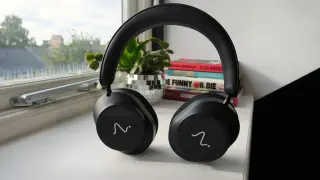
Neurable has released the One, a standalone EEG headphone set priced at $499 that tracks cognitive focus without requiring a subscription. The device uses dry-fit sensors to monitor attention levels, offering real-time feedback and break recommendations to prevent burnout. While praised for its improved sensor reliability and lower cost compared to previous models, the headphones are heavier than predecessors and lack equalizer customization. The product is recommended for users committed to regular cognitive training but may not appeal to mainstream consumers due to its niche utility and weight.
AI smart glasses are gaining popularity among tech creators, seniors, and people with disabilities due to accessibility features, but concerns persist regarding eye strain, hidden cameras, and privacy violations. A 2026 survey indicates 25% of respondents plan to purchase the devices, highlighting a market that balances utility with significant ethical and physical risks.
Researchers at the National University of Singapore (NUS) have developed a new type of electronic fiber that functions as a graphical user interface (GUI) when woven into clothing. Published in Nature, the study details a prototype sleeve featuring a 96x54 pixel display capable of showing video and responding to touch. The technology integrates microchips, sensors, and actuators into millimeter-thick fibers, allowing for a washable, breathable, and flexible interface that rivals early smartphone capabilities.
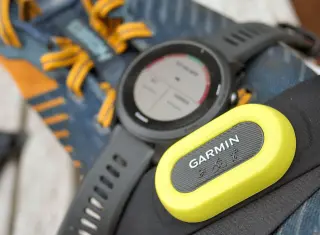
A new peer-reviewed study finds that while the Garmin Forerunner 955 measures resting heart rate with 99.1% accuracy, its HRV readings are highly inaccurate, especially for fit individuals. The optical sensor underestimates HRV in well-recovered users, potentially misleading athletes about their recovery status.
Antigravity has launched the Follow Me Bundle for its A1 360-degree drone, replacing the mandatory VR headset with a wristwatch and ring controller. This update lowers the entry price to $799, enables solo flying by complying with visual line-of-sight regulations, and introduces gesture-based controls for hands-free filming.
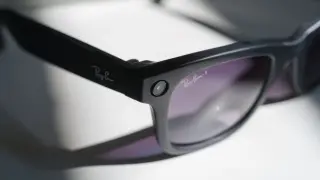
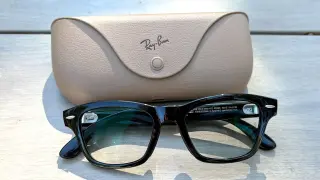
Meta has launched the Ray-Ban Meta Audio, a $349 smart glasses model that removes the camera to address privacy concerns. The device features open-ear speakers, a lightweight design weighing 43-47 grams, and up to 12 hours of battery life. While it retains AI features like live translation, critics note that audio recording capabilities and limited button functionality remain issues.
Xreal has released the One Pro+, a minor refresh of its flagship AR display glasses featuring significantly brighter screens, improved comfort, and faster 3D conversion. Priced at $600, the device retains the original’s core specs but offers better performance in bright environments and longer wearability.
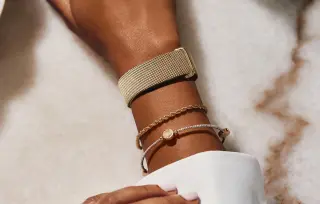
Google is rolling out major software updates for the Fitbit Air, Fitbit Edge, and Pixel Watch 3, 4, and 5 later this month. The updates include a massive expansion of automatic workout detection, the arrival of Health Guardian features for Premium subscribers, and new app integrations. Additionally, a new stainless steel Metal Mesh band for the Fitbit Air is available for pre-order.
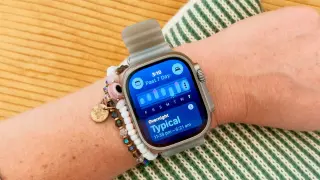
Tom's Guide reports that the Apple Watch Vitals app detected early signs of illness in its editor before physical symptoms emerged. The article highlights how the feature can alert users to potential health issues, offering tips to improve the accuracy of these readings.
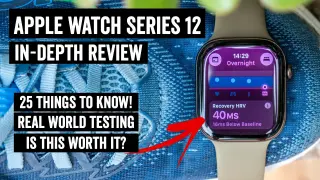
Apple has released the Watch Series 12 and Ultra 4, featuring a new S11 chip, a significantly upgraded heart rate sensor, and a new Readiness Score. While the external design remains unchanged, internal improvements in battery life, HRV tracking, and on-device Audio Intelligence mark a major shift. These new features are exclusive to the latest models, creating a software barrier for older users.
Speedo has released new smart goggles priced at $190, designed to provide swimmers with real-time performance data that traditional smartwatches cannot capture. According to Tom's Guide, this device addresses a long-standing gap in swim technology, where runners and cyclists have extensive tracking options but swimmers have been largely left behind. The goggles aim to help users swim smarter by offering metrics that are difficult to measure while submerged.
Meta has launched the Muse Charm, a keychain-sized AI device designed to mitigate privacy concerns from its previous smart glasses. Featuring a 2-inch screen with a cute avatar, the device allows users to interact with Meta's Muse AI assistant for tasks like email and travel booking without a smartphone. While the device aims to shift the 'agency' of recording away from the user's face, experts debate whether this 'cuteness' strategy effectively builds trust or merely masks surveillance capabilities. The device is set for a December release, with no price announced yet.
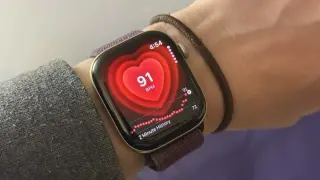
Apple’s new Series 12 and Ultra 4 feature a redesigned optical heart rate sensor that closes the accuracy gap with Garmin. Independent testing shows the new sensor is significantly better than previous Apple models but still trails chest straps. The update also introduces a new Readiness score and more frequent health data sampling.