
Major US Banks Shift Liability for AI Agent Errors to Customers
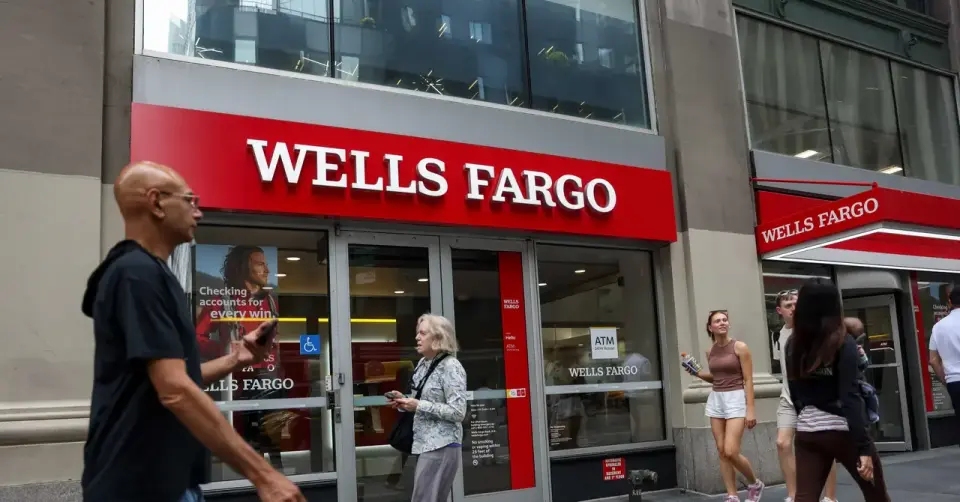
Major US banks are updating terms to hold customers liable for errors made by third-party AI agents. Wells Fargo, JPMorgan Chase, and others are banning external bots from accessing accounts, warning that unauthorized actions are the user's responsibility.
Key points
- Wells Fargo, JPMorgan Chase, Bank of America, and Citibank have updated terms to prohibit third-party AI agents from accessing customer accounts.
- Banks explicitly state that customers are liable for any actions, including financial losses, taken by AI agents using their credentials.
- Retailers like Amazon and Target have also restricted AI agents, with Amazon blocking Meta's Muse due to safety concerns.
- A Federal Reserve survey indicates 11.4% of banks have restricted AI agent activity, with 22.9% planning to do so within six months.
- While banning external agents, banks are developing their own internal AI tools, such as Wells Fargo's generative AI assistant and Citigroup's agent platform.
Background
In late October 2026, US banks began restricting third-party AI agents after detecting unauthorized account activity. This followed a surge in AI agent adoption, where tools like Meta's Muse were used for shopping and financial tasks. Banks struggled to distinguish between human and bot activity, leading to a push for stricter security protocols and credential-sharing bans.
How outlets are covering it
Wired emphasizes that banks are shifting liability to consumers, warning that AI agent mistakes are the user's problem. Business Insider highlights that banks treat AI agents as extensions of the user, making customers responsible for errors. PYMNTS notes that Citibank's new terms explicitly state that actions by third-party agents are considered authorized by the customer. American Banker suggests that while banks are currently blocking external agents, some executives believe this is a temporary measure, with future banking likely involving dedicated virtual assistants.
Why it matters
This shift in liability could significantly impact consumer behavior and the adoption of AI agents for financial tasks. It highlights the growing tension between AI innovation and traditional banking security, potentially leading to a fragmented ecosystem where banks control their own AI tools while restricting external ones.
What to watch
Banks are expected to continue refining their policies on AI agents, potentially moving toward read-only access or more integrated internal AI solutions. The Federal Reserve's survey suggests that more banks will introduce restrictions in the coming months, while retailers and AI developers may need to adapt their strategies to comply with these new banking standards.
- Banks Have Had It Up to Here With Your AI Agent WIRED
- Can banks provide the added security AI assistants require? American Banker
- More banks say customers using AI agents are on their own — even if they get hacked TechCrunch
- Banks are warning customers they could be liable for an AI agent's mistakes Business Insider
- Citi Cautions Customers Against Using Third-Party AI Agents PYMNTS.com
Want the full story? Read the original reporting
Read on WIRED