
Meta disables cameras on tampered smart glasses amid global privacy backlash
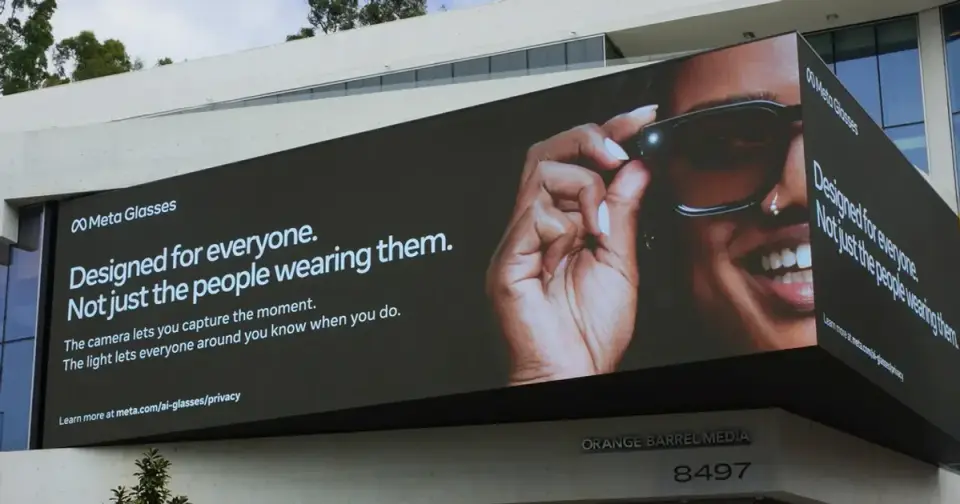
Meta has disabled camera functions on thousands of Ray-Ban smart glasses after detecting that users tampered with the LED indicator light to record secretly. This move follows a surge in privacy complaints, including a Delhi man suing for damages and bans in US and UK courts. While Meta emphasizes accessibility benefits for the blind, critics argue the technology facilitates non-consensual surveillance.
Key points
- Meta disabled cameras on thousands of units after detecting tampered LED lights, affecting less than 0.1% of the 7 million glasses sold in 2025.
- A Delhi man filed a legal notice demanding 2.05 crore rupees after being covertly filmed at a cafe, with the video gaining over 400,000 views.
- Courts in New York and England and Wales have banned smart glasses, while ICE reportedly prohibited employees from wearing them due to privacy risks.
- Meta is donating 130,000 glasses to blind veterans and seeking classification as an assistive device to enable Medicare and Medicaid coverage.
- A class-action lawsuit in the US accuses Meta of misleading users about privacy risks, while German authorities consider a ban over data collection violations.
Background
This development follows earlier firmware updates in August 2026 that attempted to close loopholes allowing discreet recording, though critics noted the LED indicator remained imperfect. Previous coverage highlighted concerns over Meta's patent for AI-powered facial recognition, which raised fears of automated biometric surveillance without consent.
How outlets are covering it
Semafor focuses on Meta's technical response, noting that VP Alex Himel described the situation as a 'cat and mouse game' and emphasized the device's utility for the visually impaired. The Times of India highlights the legal repercussions for individuals, detailing a specific lawsuit in Delhi. Feminist Majority Foundation and ariananews.co emphasize the broader societal backlash, citing bans in courts and government agencies, as well as criticism from advocacy groups over non-consensual recording and potential facial recognition features.
Why it matters
The incident highlights the tension between wearable innovation and privacy rights, forcing regulators and companies to balance accessibility benefits against the risks of covert surveillance in public spaces.
What to watch
Meta will continue monitoring for new tampering methods and expanding public awareness campaigns. Regulators may impose stricter bans or require clearer consent mechanisms, while Meta seeks official classification as an assistive device to secure government funding and insurance coverage.
- Exclusive / Meta disables cameras on thousands of tampered smart glasses Semafor
- Secretly filmed by Meta glasses: Why a Delhi man is demanding ₹2.05 crore The Times of India
- Helpful or Hurtful? The Growing Privacy Debate Over Meta Glasses Feminist Majority Foundation
- Smart glasses: Preferred eyewear for creeps? tech.yahoo.com
- Meta Enhances Smart Glasses to Address Privacy Concerns ariananews.co
Want the full story? Read the original reporting
Read on Semafor