Tag

Assistive Technology

All articles tagged with #assistive technology

Sewickley teen builds $170 AI glasses to guide visually impaired users
technology-science18 days ago

Sewickley teen builds $170 AI glasses to guide visually impaired users

Alexander Du, a 17-year-old from Sewickley, PA, created IRIS — a $170, AI-powered pair of glasses that maps surroundings in real time, guides wearers around obstacles with vibration cues, and runs entirely offline. Paired with a GPS-based app and on-device AI assistant, the device aims to grant independent mobility to the visually impaired and reportedly reduces collisions by about 80% versus a traditional white cane. Du developed IRIS after his grandmother began losing her sight, earned a 2026 Presidential AI Challenge National Champion title, and was honored at the White House, though his grandmother passed away before completion. He plans to make the technology affordable for millions still.
Meta AI glasses help blind veteran see his surroundings again
technology5 months ago

Meta AI glasses help blind veteran see his surroundings again

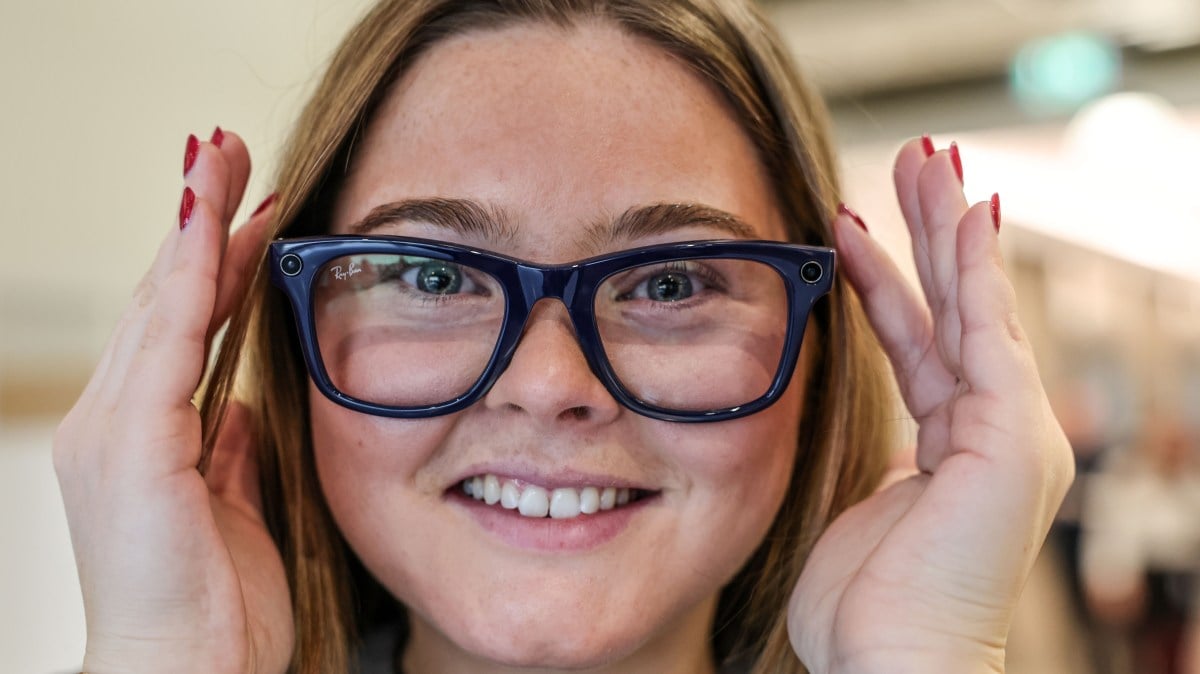
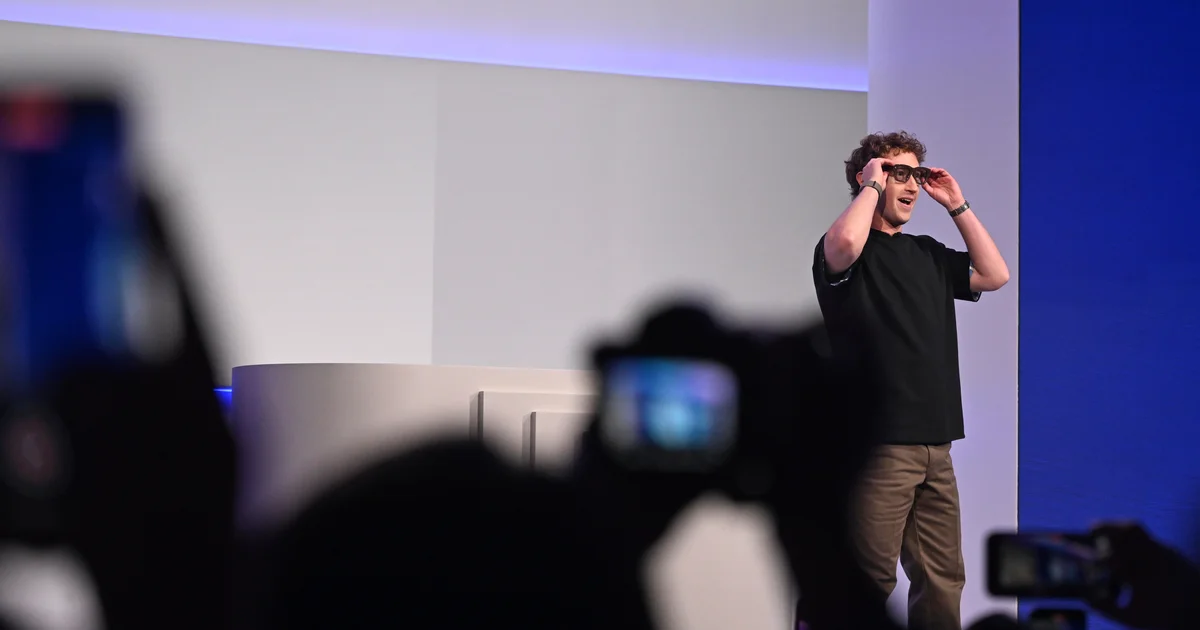
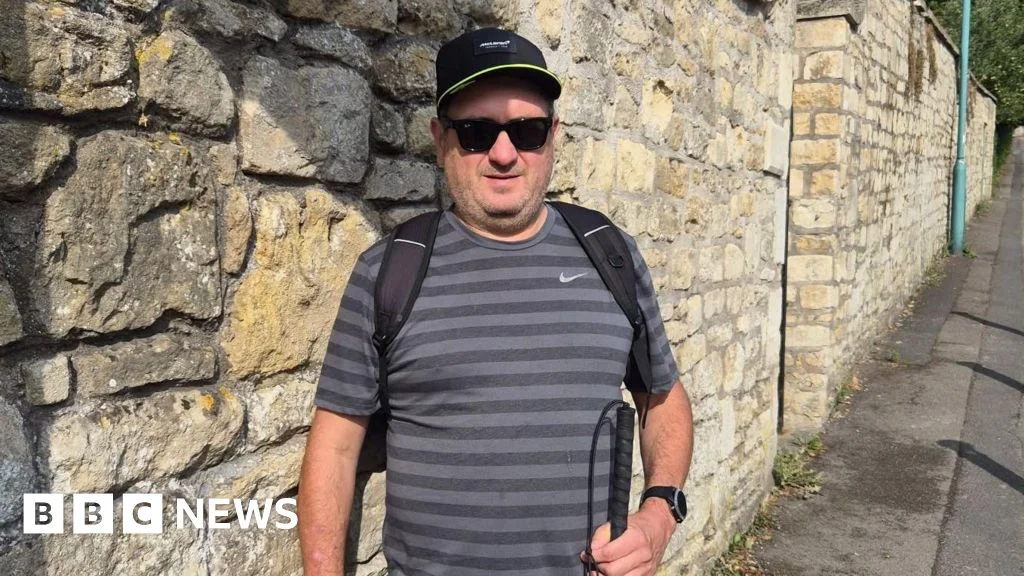
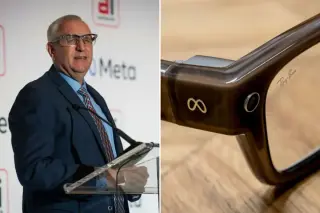
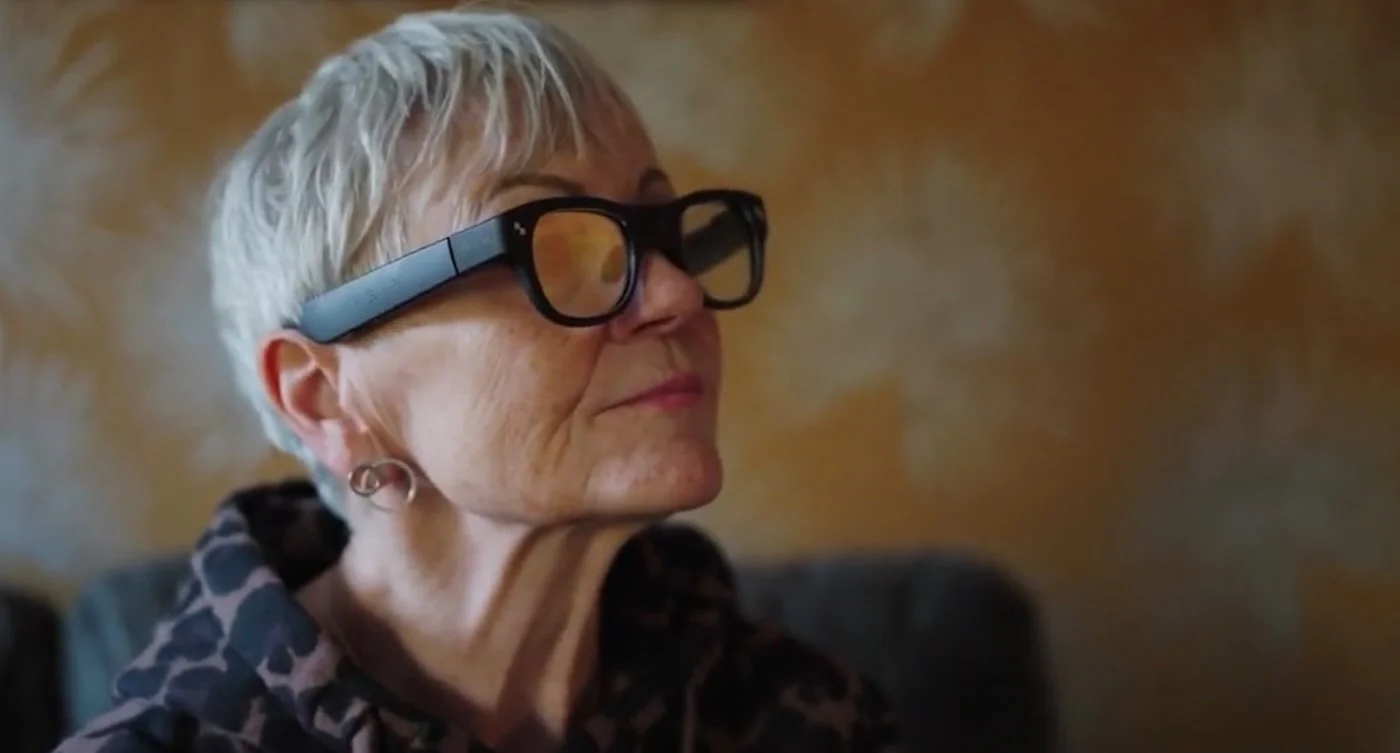
Meta's AI-powered smart glasses—voice-activated and able to identify colors, read menus, recognize faces, and provide navigation—help a Gulf War veteran who lost his sight decades ago regain independence; Meta is partnering with the VA to supply the glasses to veterans and is expanding AI tools for small businesses as part of its growth strategy.

Stroud boy leads UK’s first home trial of a powered exoskeleton
technology6 months ago

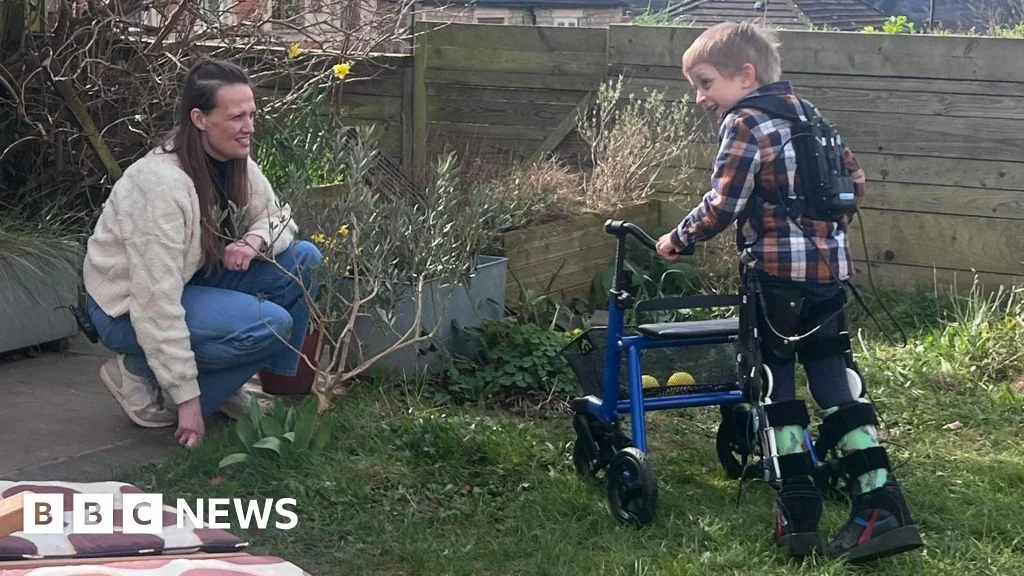
Stroud boy leads UK’s first home trial of a powered exoskeleton

Seven-year-old Asger from Stroud with cerebral palsy became the UK's first person to trial a home-based powered exoskeleton (the Agilik orthosis by Bionic Power) costing around £72,000; his family paid £600 for a one-week trial, and the device enabled him to walk to school with greater independence, highlighting life-changing potential as well as ongoing affordability and maintenance challenges and the need for broader NHS support.

AI mirrors give blind people a new view of themselves
technology8 months ago

AI mirrors give blind people a new view of themselves

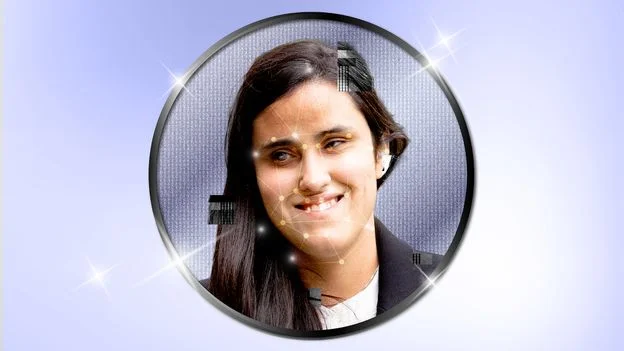
AI-powered apps like Be My Eyes and Envision act as audible mirrors for blind users, providing real-time feedback on appearance and makeup guidance, a development that can empower self-image but also raises concerns about AI bias, accuracy (including hallucinations), and potential mental-health effects, with limited research on long-term impact.

Startup Introduces Silent Speech AI Query System
technology1 year ago

Startup Introduces Silent Speech AI Query System

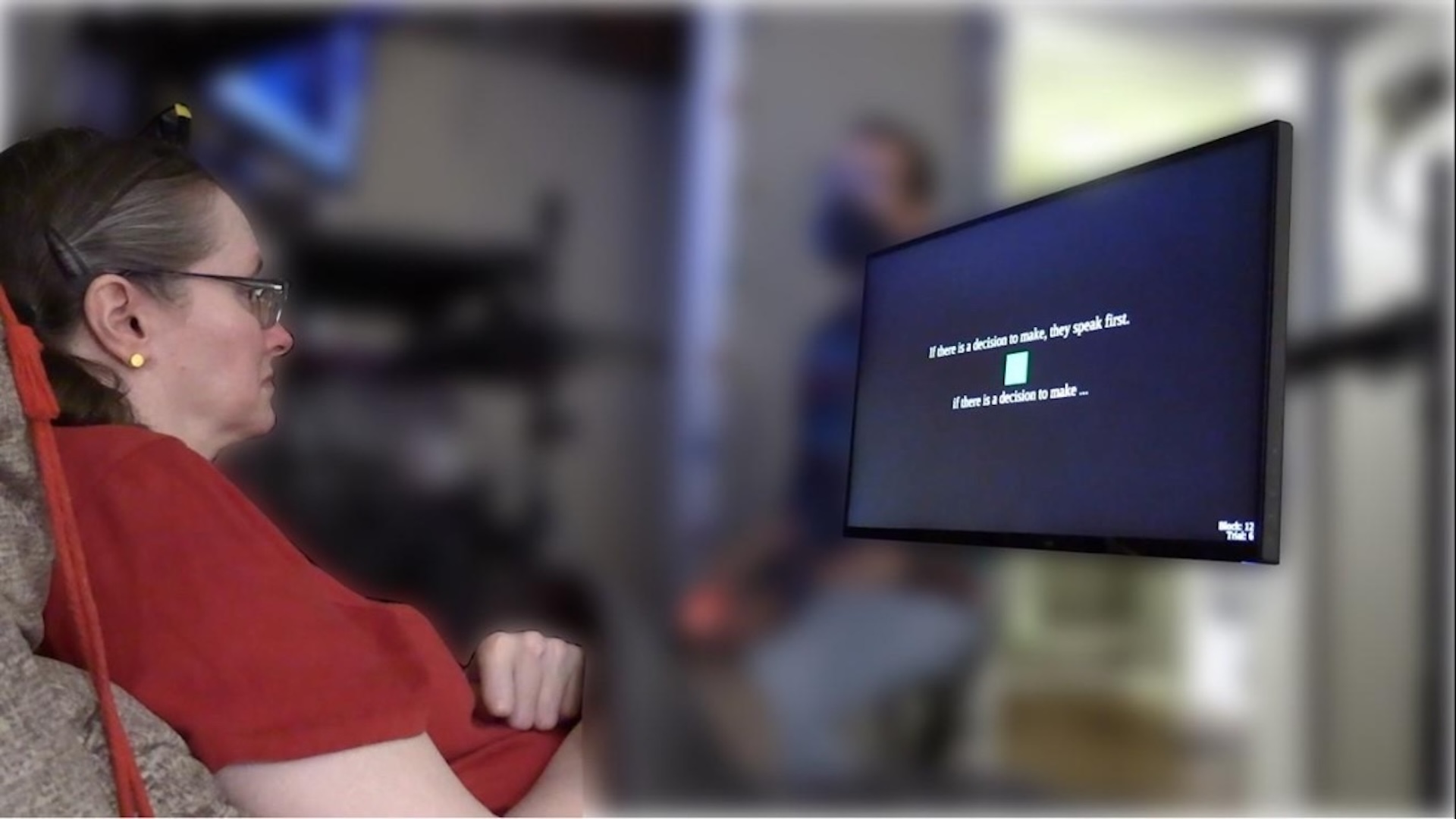
AlterEgo, a Boston-based startup, has developed a non-invasive device that allows users to issue voice commands to AI without speaking aloud, which could benefit both everyday users and those with speech impairments. The technology captures the intent to speak through cranial nerve signals and uses bone conduction to communicate, offering a less invasive alternative to brain implants. The product's release date and funding details remain undisclosed, but the company plans to showcase it at the Axios AI+ Summit.

AI Chatbots Enhance Communication and Support for Neurodivergent Individuals
technology1 year ago

AI Chatbots Enhance Communication and Support for Neurodivergent Individuals

AI tools like ChatGPT are helping neurodivergent individuals communicate more effectively and confidently, serving as empathetic and non-judgmental allies in social and professional interactions. While these tools offer significant benefits, experts warn about potential overreliance and the risks of reduced critical thinking and social engagement. Overall, AI is becoming a valuable resource for many in the neurodivergent community, though caution is advised.

Meta Introduces Gesture-Control Wristband for Hands-Free Device Interaction
technology1 year ago

Meta Introduces Gesture-Control Wristband for Hands-Free Device Interaction

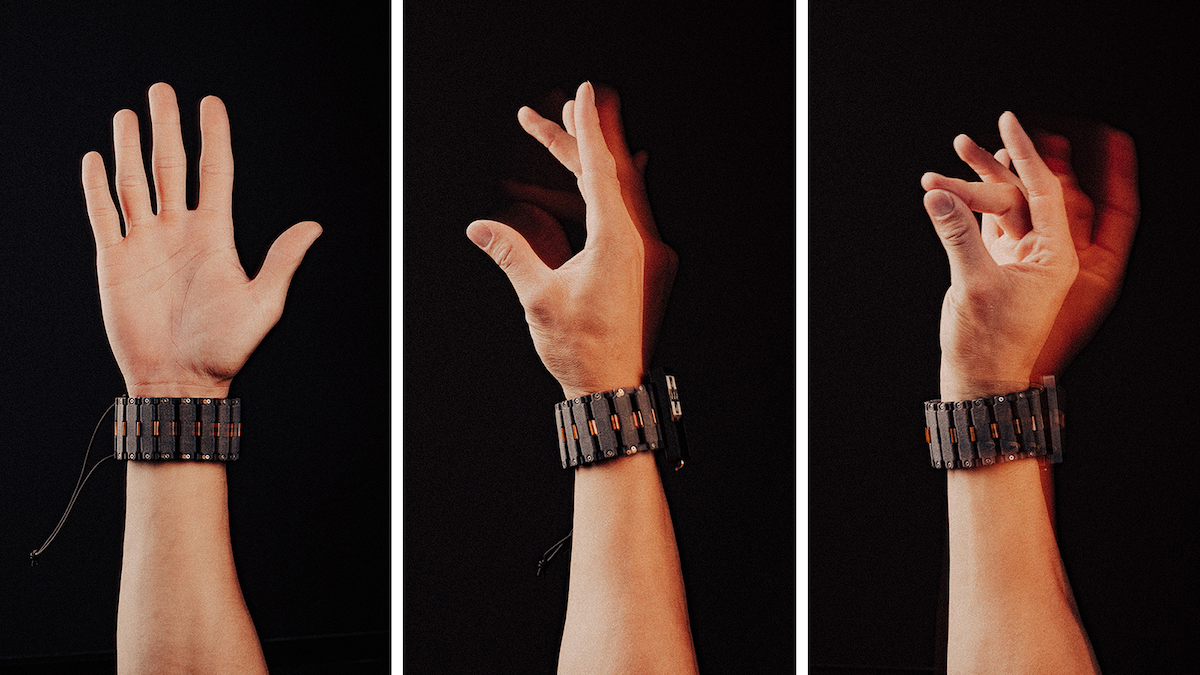
Meta researchers are developing a gesture-controlled wristband that uses surface electromyography (sEMG) to interpret muscle signals, enabling users, including those with motor disabilities, to control computers through hand gestures without invasive procedures. The device aims to provide a non-invasive alternative to brain implants and EEG-based systems, with testing in collaboration with Carnegie Mellon for users with spinal cord injuries.

"Revolutionary Self-Powered Throat Patch Restores Speech with AI Stickers"
healthtech2 years ago

"Revolutionary Self-Powered Throat Patch Restores Speech with AI Stickers"

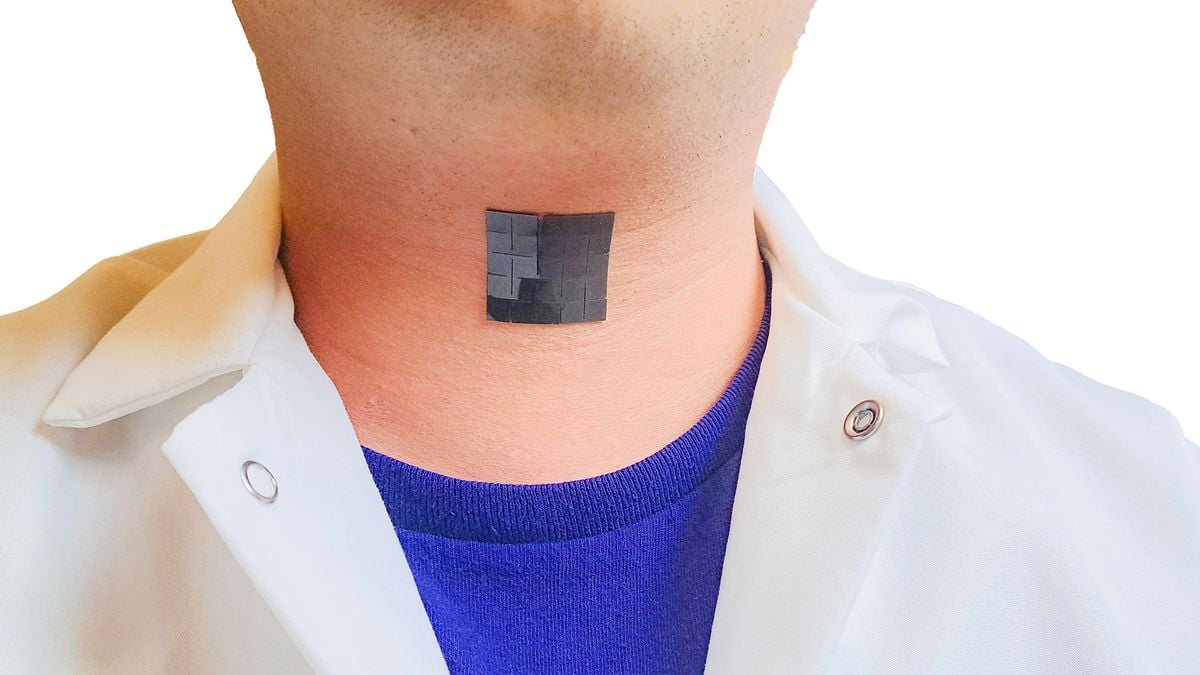
A new self-powered throat patch has been developed that can detect neck muscle movements and translate them into speech, potentially helping people with vocal cord damage or paralysis communicate. The patch harnesses movement to generate electricity, eliminating the need for a battery, and uses a machine-learning algorithm to translate muscle movements into speech. While promising, the patch is still in early stages of development and needs further testing. If successful, it could offer a more convenient and less invasive alternative to existing assistive technologies for speech disorders.

"Gyroglove: The Life-Changing Hand-Stabilizing Glove for Parkinson's Patients"
health-and-technology2 years ago

"Gyroglove: The Life-Changing Hand-Stabilizing Glove for Parkinson's Patients"

At the Consumer Electronics Show in Las Vegas, a Canadian woman with Parkinson's disease showcased the GyroGlove, a revolutionary hand stabilizer that effectively reduces tremors, enabling individuals to perform everyday tasks with ease. Developed by GyroGear, the glove incorporates advanced gyroscopic technology and is set to be further miniaturized in future iterations. The event also featured other innovative assistive technologies, including a compact guide device for the visually impaired, technology-packed glasses for the blind, and handheld scanners for students with learning disabilities or non-English speakers, highlighting the potential of tech to enhance the lives of individuals with disabilities.