
Meta’s Oakland Trial Tests US Court-Led Tech Regulation
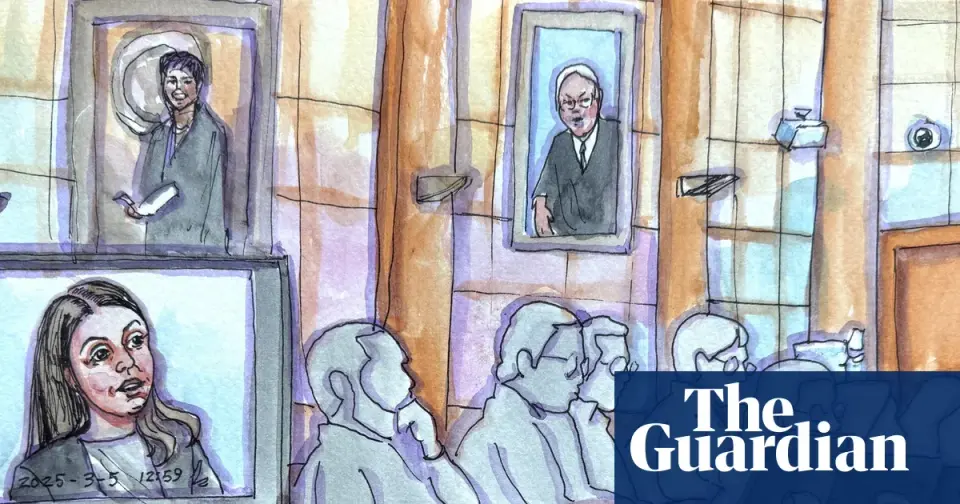
A landmark trial in Oakland, California, has begun against Meta, with 29 US states alleging the company designed addictive products for children and concealed this data. As the case tests the US model of court-led tech regulation, a broader political backlash against AI datacenters is intensifying, with both Democratic and Republican leaders imposing new restrictions despite industry opposition.
Key points
- California and 28 other states are suing Meta, alleging its products are designed to be addictive for children and that the company hid this information from the public.
- The trial in Oakland, California, is seen as a critical test for US court-led regulation, which moves faster than legislative processes in Silicon Valley.
- A whistleblower testified that Meta CEO Mark Zuckerberg lied about child safety, while Meta denied the allegations, calling the states' claims an attempt to secure an 'outlandish payout'.
- The US is experiencing a significant political backlash against AI datacenters, with over 70% of Americans opposing their construction, leading to new restrictions from both Democratic and Republican governors.
- Silicon Valley leaders are reacting to the datacenter backlash with mixed strategies, ranging from community engagement and empathy from OpenAI CEO Sam Altman to hostile accusations of 'psyops' from Y Combinator CEO Garry Tan.
Background
This trial follows a series of high-stakes legal battles in 2026, including a federal case in California accusing Meta of fueling a teen mental health crisis, with potential damages reaching up to $1.4 trillion. The current trial is overseen by Judge Yvonne Gonzalez Rogers and may feature testimony from Arturo Bejar. Additionally, Meta has faced growing public backlash over its AI Glasses, with privacy concerns and allegations of covert filming leading some users to avoid public use. These developments occur amid a broader trend of Silicon Valley workers mobilizing over AI-driven layoffs and job security, as well as China's open-weight AI models narrowing the US lead in the technology sector.
How outlets are covering it
The Guardian emphasizes the unique role of US courts in regulating tech, contrasting this with legislative approaches in the UK and Europe, and draws a parallel to the 1990s tobacco settlement. Wired's coverage, while largely obscured by cookie consent text, is titled 'Meta’s Big Reckoning Is Here,' suggesting a focus on the trial as a pivotal moment for accountability. The Guardian notes that Meta has denied all allegations, with spokesperson Liza Crenshaw arguing the states are chasing an 'outlandish payout' rather than sticking to facts or law. The Guardian also highlights the broader political shift regarding datacenters, noting that both Democratic and Republican leaders are now imposing restrictions, a change from their previous supportive stances. The Guardian reports that OpenAI CEO Sam Altman expressed empathy for public concerns, while Y Combinator CEO Garry Tan accused the discourse of being a 'documented psyop.'
Why it matters
The outcome of the Meta trial could set a precedent for how US courts regulate tech companies, potentially forcing changes to product design to make platforms safer for children. The broader datacenter backlash reflects a growing public and political resistance to AI infrastructure, which could impact the pace and scale of AI development in the US. The trial and the datacenter debate highlight the increasing tension between Silicon Valley's rapid innovation and public demand for accountability and safety, potentially reshaping the regulatory landscape for the tech industry.
What to watch
The trial is expected to continue with testimony from Mark Zuckerberg and the CEO of Instagram. The outcome could lead to significant changes in Meta's product design, including potential bans on features like infinite scroll and autoplay. In the datacenter debate, companies are expected to continue engaging with communities through listening sessions and promises of job guarantees, while political leaders may implement further restrictions. The trial and the datacenter backlash are likely to influence future regulatory approaches to AI and tech companies in the US.
- Meta goes on trial as Silicon Valley faces a growing backlash The Guardian
- A lesser known area of the AI market is set for its biggest boom since 2022. Buy this stock to play the trend, Morgan Stanley says CNBC
- Meta’s Big Reckoning Is Here WIRED
- Do Not Go Gentle Into Silicon Valley’s Dark Night Jacobin
- Why Social Media Giants Are on Trial For Hooking Kids Bloomberg.com
Want the full story? Read the original reporting
Read on The Guardian