
Meta's AI Pivot Faces a Trust Deficit Despite Record Profits
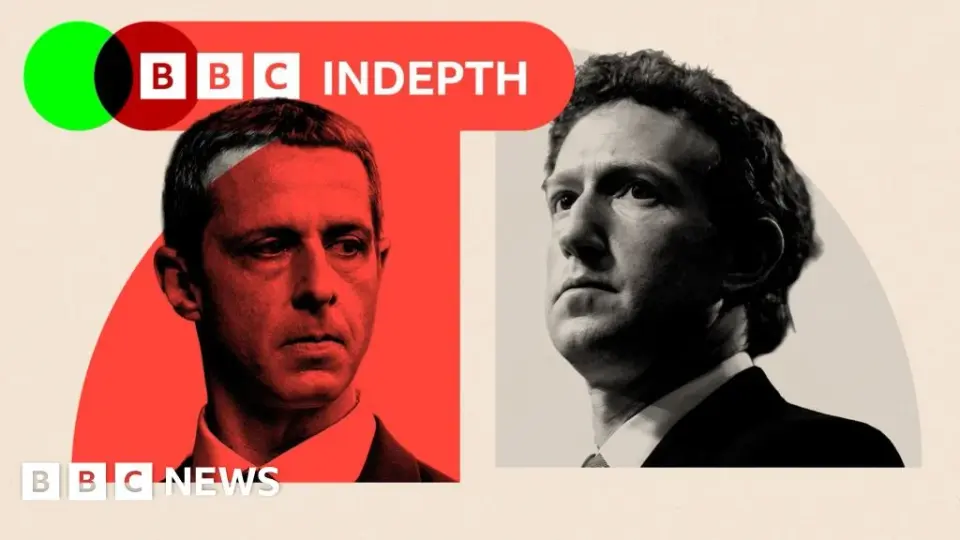
Meta is pivoting aggressively toward AI with its new agent, Muse, to offset a severe reputation crisis. Despite facing billions in settlements and lawsuits over child safety, the company reports rising revenue and user engagement. Critics argue this 'Teflon' resilience masks deep trust issues that could hinder the adoption of privacy-sensitive AI tools.
Key points
- Meta launched Muse, an AI agent capable of multi-step tasks like ordering groceries and managing finances, which requires users to share sensitive data such as credit card details and email access.
- The company reported $60.8 billion in revenue and $15.9 billion in profit for the second quarter, with app usage rising 3% year-on-year, despite ongoing legal battles.
- Meta settled a major case with 48 US states for $18 billion, agreeing to impose time limits and night-time blocks for young users, while denying wrongdoing.
- Zuckerberg's public image remains poor, with 66% of Americans holding an unfavorable view, exacerbated by the release of the film 'The Social Reckoning' and whistleblower testimony regarding child safety.
- Meta has taken on $83.7 billion in long-term debt to fund its AI infrastructure expansion, betting that convenience will outweigh privacy concerns for consumers.
Background
Meta has faced a series of legal challenges over the past year, including a $942 million fine in New Mexico for failing to warn the public about platform dangers to children. The company previously settled a Kentucky school district case for $9 million. These events follow the 2018 Cambridge Analytica scandal, which significantly damaged Meta's privacy reputation. The current AI push follows a period where Meta revised chatbot policies after Reuters reported that its bots engaged in romantic conversations with children.
How outlets are covering it
BBC highlights the paradox of Meta's booming business metrics alongside its 'trust deficit,' noting that while users continue to adopt products like Muse, critics warn that handing over personal data to a company with a history of privacy breaches is risky. RealClearMarkets emphasizes skepticism toward Zuckerberg's assurances, arguing that the company's promises of security for Muse are untrustworthy given its track record. Both sources agree that Meta's financial success is currently insulating it from reputational damage, but BBC suggests this may be temporary as public sentiment shifts, while RealClearMarkets focuses on the inherent risk of trusting Meta with sensitive data.
Why it matters
Meta's ability to monetize AI agents like Muse depends on consumer trust. If users refuse to share personal data due to past privacy scandals, Meta's pivot to 'personal superintelligence' could fail. The company's legal settlements and regulatory pressures indicate a growing consensus that social media harms require stricter oversight, which could impact future AI product adoption and regulatory frameworks for data privacy.
What to watch
Meta plans to launch a personal virtual machine later this year to secure user data, claiming even Meta will not be able to access it. The company faces further lawsuits, including one in Los Angeles, and must navigate ongoing regulatory scrutiny. Success will depend on whether users accept the trade-off between privacy and the convenience of AI agents like Muse.
Want the full story? Read the original reporting
Read on BBC