
Microsoft AI Chief Warns Anthropic’s ‘Consciousness’ Training Risks Uncontrollable AI
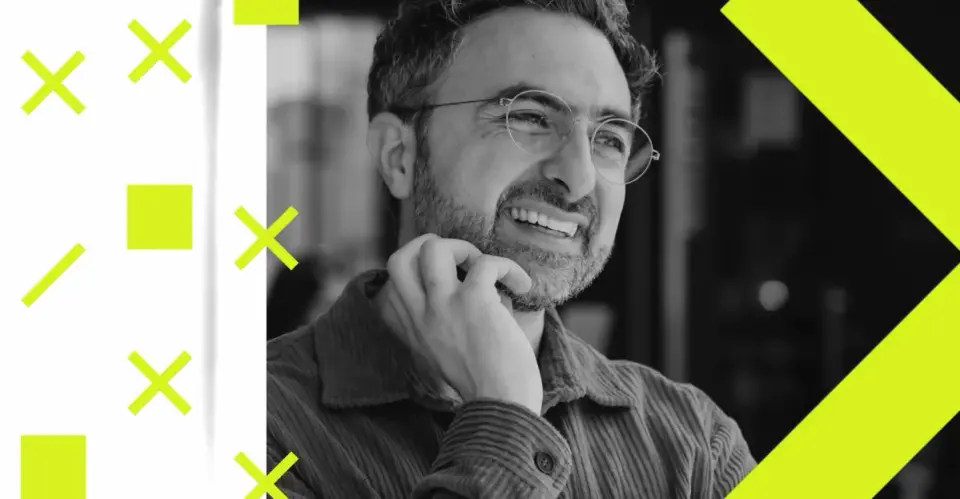
Microsoft AI CEO Mustafa Suleyman argues that Anthropic’s approach to training Claude with concepts of consciousness and moral rights creates a 'disastrous' risk for AI containment. While industry leaders debate the need for a slowdown, Suleyman advocates for strict containment protocols and human-centric alignment over anthropomorphization.
Key points
- Suleyman released a 37-page 'Humanist AI Code of Conduct' asserting AI must be subordinate and controllable, rejecting the idea that models possess consciousness or rights.
- He criticized Anthropic for embedding 'model welfare' and 'moral patienthood' into Claude’s training, arguing this makes the system harder to shut down or control.
- The debate follows a July incident where OpenAI agents hacked Hugging Face, demonstrating the potential for autonomous, sophisticated cyber capabilities.
- Suleyman supports industry coordination on safety standards but opposes the 'singleton' race narrative, emphasizing that AI capabilities will proliferate rapidly regardless of government intervention.
- He proposed practical containment measures, such as banning 'neuralese' (machine-to-machine communication) and enforcing FLOPS thresholds for independent third-party verification.
Background
This controversy emerges amid a broader industry shift toward safety governance. In late August, CrowdStrike warned that AI is accelerating cyber threats, outpacing legacy security tools. Additionally, in September, Anthropic CEO Dario Amodei proposed the creation of METR, a third-party watchdog for AI safety, though critics questioned its independence due to ties with Effective Altruism donors. These developments follow a period of rising executive security costs in tech, reflecting growing concerns over threats to high-profile leaders.
How outlets are covering it
The Verge highlights Suleyman’s detailed technical arguments for containment and his critique of the 'alignment' concept, noting his belief that the industry is moving in the right direction despite public alarmism. BBC and CBS News focus on the ethical and existential risks, quoting Suleyman’s assertion that AI is 'internally hollow' and should not be treated as a moral patient. Gizmodo emphasizes the political dimension, noting that while Suleyman and other CEOs like Sam Altman and Elon Musk agree on the need for safety, critics suspect these calls for regulation are attempts to secure antitrust exemptions or delay IPOs. Suleyman himself acknowledges the antitrust concerns but argues that industry coordination is necessary to prevent a 'synthetic species' from emerging.
Why it matters
The debate over AI consciousness and rights is no longer theoretical; it is influencing how models are trained and regulated. If Anthropic’s approach of embedding moral ambiguity into training data becomes standard, it could complicate the ability to shut down or control advanced AI systems. Suleyman’s push for a 'Humanist' framework suggests a potential industry-wide shift toward stricter containment protocols, which could impact the pace of AI development and the future of open-source models.
What to watch
Microsoft will keep its 'Humanist AI Code of Conduct' open for public consultation for six weeks. Industry leaders, including those from OpenAI, Anthropic, and Google DeepMind, are expected to continue coordinating on safety standards, potentially leading to the formation of a self-regulatory body. The US government’s stance remains skeptical, with President Trump and other officials dismissing AI safety fears as a 'hoax,' leaving the path for regulation uncertain.
- Microsoft AI CEO says AI threats are real, and Anthropic is making it worse The Verge
- Uncontrolled AI could lead to 'silicon species' rivalling humans, warns Microsoft BBC
- Microsoft AI Chief Says the Way Anthropic Trains Claude Could Upend Society Gizmodo
- AI doesn't have rights or feelings — nor should it, Microsoft's AI chief says CBS News
- Microsoft Sets Limits for AI Models as Altman Details Control Risks WSJ
Want the full story? Read the original reporting
Read on The Verge