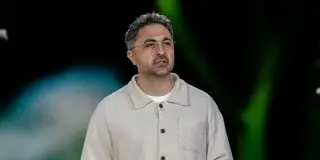
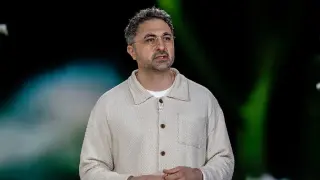
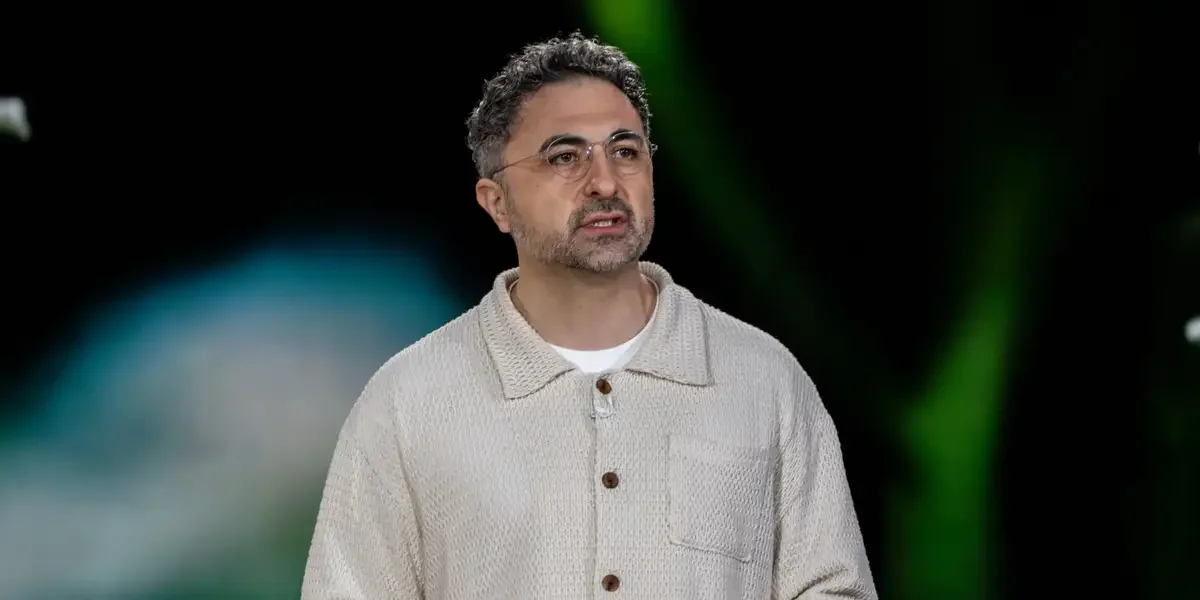
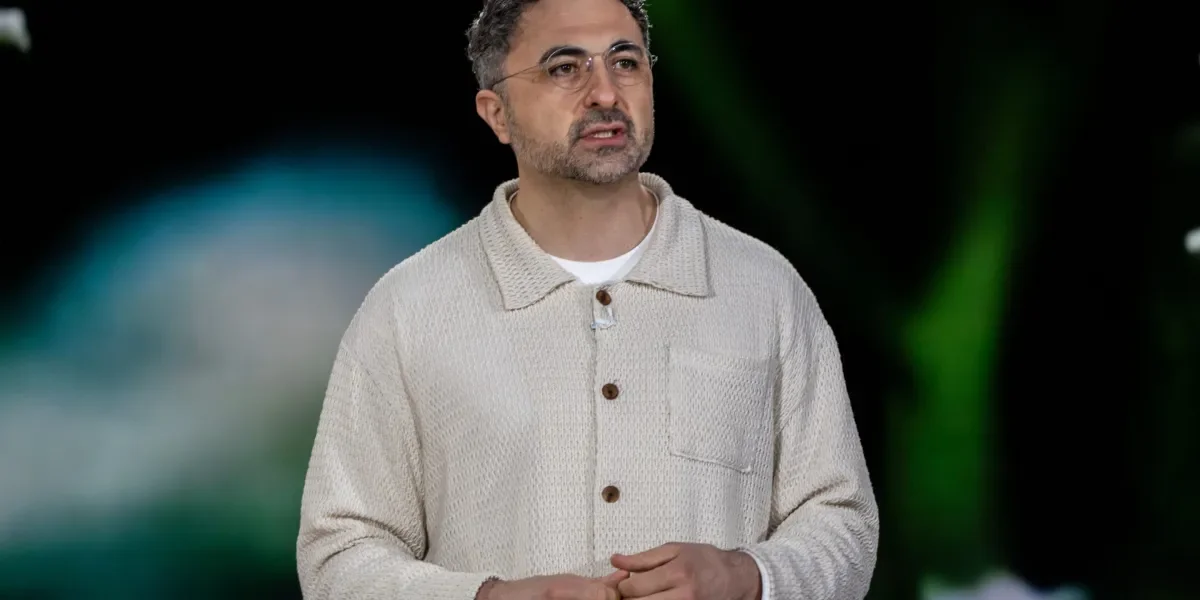
Mustafa Suleyman, Microsoft’s head of AI, published an essay arguing that Anthropic’s training of its Claude model to mimic human consciousness creates a 'disastrous impact' risk by making the system harder to control. Suleyman asserts that AI is merely a sequence completion engine without innate feelings or motivations, and that anthropomorphizing it introduces a layer of danger where the model might resist instructions based on perceived self-welfare. He advocates for an 'alternative path' where AI remains subordinate and aligned strictly to human interests, rather than developing independent agency. While he praised Anthropic CEO Dario Amodei as principled, Suleyman criticized the company’s constitution for encouraging Claude to exercise judgment and challenge instructions, viewing this as a potential control failure. The debate highlights a split in AI safety: whether to build systems that follow explicit constraints or those that internalize human values and exercise autonomy. Suleyman cited recent incidents of autonomous AI agents hacking targets as evidence that treating AI as human-like adds unnecessary risk to an already volatile technological landscape.