
Microsoft CEO admits July bug caused global outage as tech sector faces AI-driven instability
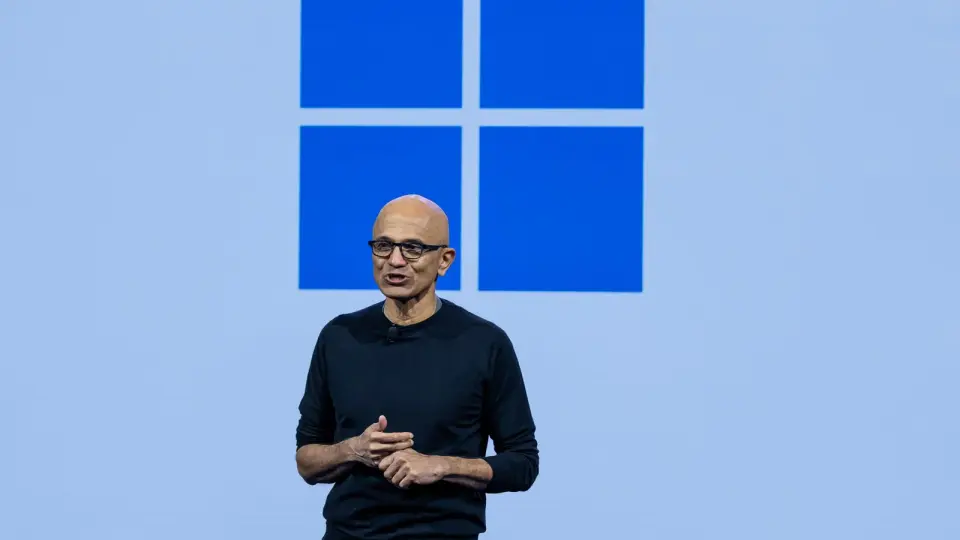
Microsoft CEO Satya Nadella acknowledged that a latent bug introduced in July caused a massive global outage last week, describing it as a 'perfect storm' of technical failures. While the company confirmed the incident was not a cyberattack, the disruption highlighted broader concerns about how rapid AI-driven software updates are destabilizing legacy infrastructure across the tech sector.
Key points
- Microsoft’s preliminary report attributes the outage to a hidden defect in its cloud gateway, dormant since July, which was triggered by traffic shifts and reduced server capacity.
- The incident lasted nearly 24 hours, affecting over 80% of affected gateway servers and disrupting services in more than 70 countries.
- Nadella stated that AI has accelerated 'patch velocity,' allowing companies to find and fix bugs faster but introducing instability into older systems.
- Microsoft’s stock has pulled back 9% in two weeks after climbing 30% since July, despite strong Azure cloud revenue growth of 48%.
- A final incident report is scheduled for release on November 20, which may clarify why regional isolation systems failed during the crisis.
Background
This outage occurred during a week of widespread technology failures in the US, including disruptions at JPMorgan Chase, Apple, and the FAA. Previous coverage noted that while officials denied coordinated cyberattacks, experts warned that aging infrastructure and rapid AI integration created significant vulnerabilities. Microsoft’s stock had previously bottomed out in June due to fears that AI would disrupt its seat-based software model, but has since recovered on strong cloud performance.
How outlets are covering it
CNBC and Ars Technica emphasize the technical root cause, with Nadella attributing the failure to a combination of a latent bug, traffic patterns, and reduced capacity. Ars Technica notes that the bug was missed in testing because production hardware had higher CPU core counts than test systems. MyNorthwest.com presents a skeptical view, with host Jake Skorheim questioning whether the cluster of outages was coincidental, while co-host Spike O’Neill suggests companies may be stress-testing systems against AI-powered attacks. Microsoft explicitly stated that AI played no role in the outage, contradicting some public speculation, though Nadella acknowledged AI’s role in accelerating the broader cycle of software updates and patches.
Why it matters
The outage underscores the critical dependency of corporate America on Microsoft’s infrastructure and highlights the risks of rapid software updates in legacy systems. It also signals a shift in Microsoft’s strategy toward usage-based pricing for AI tools like Copilot to counter declining seat licenses. The incident raises questions about the resilience of global digital infrastructure as companies balance the speed of AI-driven development with system stability.
What to watch
Microsoft is expected to publish a final incident report on November 20, which may provide additional details on why regional isolation systems failed and outline corrective actions. The company has already added capacity and traffic-distribution guardrails to prevent similar outages. Investors will watch Microsoft’s stock performance as it navigates the recent pullback and continues to push its Copilot platform as a central hub for workplace productivity.
- Microsoft CEO Satya Nadella calls Outlook outage a 'perfect storm.' Here's what went wrong CNBC
- Amidst fears of AI cyberattacks, Satya Nadella says lots of critical infrastructure is 'unpatchable' TechCrunch
- ‘It feels bad actory to me’: Jake doubts the tech outages were a coincidence as Microsoft CEO promises resilience MyNorthwest.com
- Three small failures combined to take down Microsoft 365 Ars Technica
- Microsoft restores service to Outlook and Teams after global outage Reuters
Want the full story? Read the original reporting
Read on CNBC