
Gold Stabilizes Near $3,520 Amid Dollar Strength and Inflation Watch
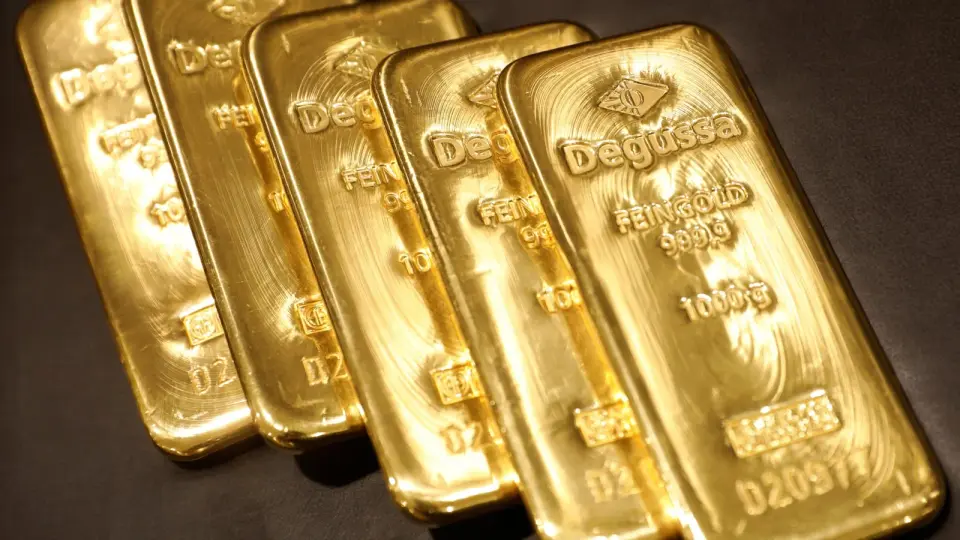
Spot gold fell 1% to $3,519.94 per ounce on Wednesday, steadying after a previous 2% drop. The decline was driven by a stronger US dollar and anticipation of inflation data. Markets are pricing in a 25-basis-point rate hike by the Federal Reserve in December. Analysts note that while momentum sellers dominate, lower prices may eventually trigger physical demand from central banks and consumers.
Key points
- Spot gold dropped 1% to $3,519.94, with December futures falling 1.2% to $3,519.00.
- The US dollar index rose 0.2%, increasing the cost of gold for foreign buyers.
- Investors await the Personal Consumption Expenditures (PCE) inflation report for clues on Fed policy.
- CME FedWatch tool indicates markets fully expect a 25-basis-point rate increase in December.
- US consumer confidence hit a two-year high in November, driven by labor market optimism.
Background
Gold has faced significant pressure recently, dropping below $4,000 in November due to hot inflation data and hawkish Federal Reserve signals. Prices hit a 14-month low on Friday before a brief 2% rebound on Monday as the dollar retreated from a 19-month peak. This current consolidation follows a 9% weekly decline driven by AI-sector liquidations and rising real yields.
How outlets are covering it
CNBC highlights the immediate technical drivers, noting that the recent decline was partly due to equity market selloffs forcing margin calls. ANZ analyst Soni Kumari identifies the strong dollar as a key headwind, while OCBC analysts expect downward pressure to reverse but remain muted into early 2027. In contrast, Kitco’s Iggy Ioppe argues that the current low prices are sowing the seeds for a future rally. He suggests that while momentum-driven investors dominate the short term, self-correcting buyers, including central banks and price-sensitive consumers in China and India, will step in as prices fall. Ioppe also questions the sustainability of high real yields, noting that rising Treasury yields partly reflect concerns about US sovereign debt risk rather than just tighter monetary policy.
Why it matters
The trajectory of gold prices serves as a critical indicator for global monetary policy expectations. A sustained drop in gold could signal that investors are confident in the Federal Reserve’s ability to control inflation through rate hikes, potentially reducing the appeal of non-yielding assets. Conversely, if physical demand from central banks and consumers accelerates due to lower prices, it could provide a floor for gold prices, influencing broader commodity markets and currency valuations. The interplay between real yields, dollar strength, and inflation data will determine whether gold continues its decline or begins a recovery in 2027.
What to watch
Investors will closely monitor the US PCE inflation data released on Wednesday for insights into the Federal Reserve’s December policy decision. Any signs of cooling inflation could weaken the dollar and support gold prices, while hotter data may reinforce expectations for higher rates. Additionally, the behavior of central banks and retail investors in response to lower prices will be key indicators for the next phase of the gold market cycle.
- Gold slips on stronger dollar, US inflation data in focus CNBC
- Gold falters ahead of key US inflation print Reuters
- Gold Futures Rebound as Nvidia News Lifts Markets WSJ
- Gold falls 2% on hawkish Fed bets, U.S. inflation data in focus CNBC
- Gold’s selloff is sowing the seeds of its next rally – Theo’s Iggy Ioppe Kitco
Want the full story? Read the original reporting
Read on CNBC