
Moonshot AI seeks European Nvidia access as U.S. tightens remote compute controls
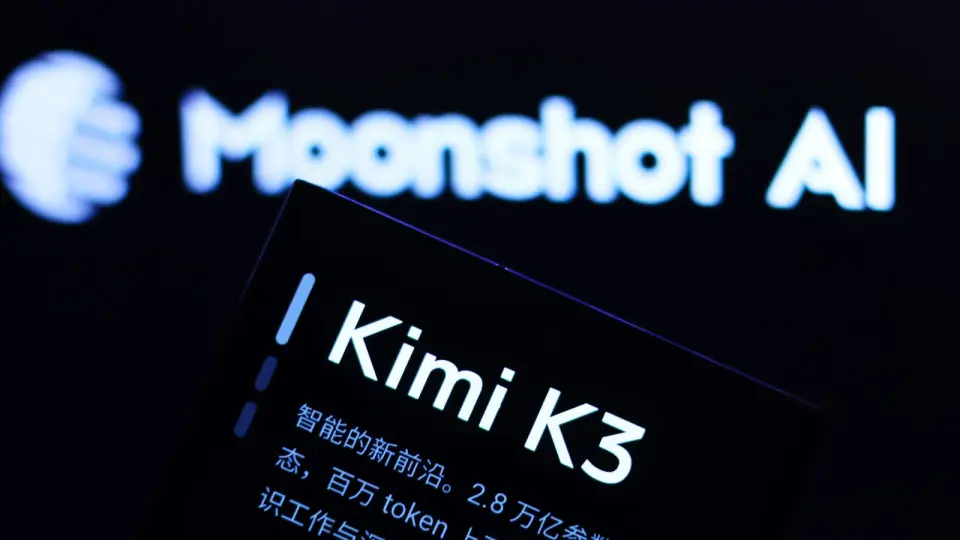
Chinese AI lab Moonshot is negotiating to rent advanced Nvidia Blackwell chips in Europe to bypass U.S. export bans. This move highlights a growing loophole where overseas data centers provide remote access to restricted hardware. While Washington pushes legislation to close this gap, Chinese firms are leveraging global demand for affordable AI, forcing other nations to balance U.S. security concerns with Beijing’s open-source alternatives.
Key points
- Moonshot AI, which develops the Kimi model family, has discussed leasing clusters of 8,000 or more Nvidia Blackwell GPUs hosted in European data centers, according to four sources.
- The White House previously accused Moonshot of accessing these chips remotely via a facility in Thailand, a loophole current U.S. laws do not fully regulate.
- Nvidia has instructed cloud providers to sell at least 51% of their services to non-Chinese customers to mitigate geopolitical risk, per a Financial Times report.
- Lawmakers in the U.S. House passed the Remote Access Security Act in January to extend export controls to cloud-based access, but the bill has stalled in the Senate.
- Chinese AI models are gaining global adoption due to lower costs, prompting countries like Kazakhstan and Indonesia to hedge by joining both U.S. and Chinese AI initiatives.
Background
This development follows a broader trend in 2026 where U.S. and Chinese AI strategies have diverged into distinct blocs. Washington’s 'Pax Silica' alliance emphasizes strict chip controls, while Beijing’s 'World AI Cooperation Organization' promotes open, affordable models. Recent tensions include U.S. allegations that a Singapore-based executive acted as a Chinese intelligence asset targeting Nvidia, which Beijing denied. These events have intensified bipartisan pressure in the U.S. to tighten export restrictions, even as Chinese models capture over 50% of global usage on key platforms due to affordability.
How outlets are covering it
CNBC emphasizes the specific commercial maneuvers of Moonshot AI and the legal gaps in current U.S. export controls, noting that Chinese firms may pay 30% to 50% more upfront for compute access. The Associated Press frames the issue as a geopolitical dilemma for third-party nations, highlighting how countries like Kazakhstan and Indonesia are attempting to benefit from both U.S. technology and Chinese affordability. Law.com focuses on the legal and financing complexities of the Southeast Asian data center boom, noting that geopolitical uncertainty is creating new risks for deal structures. Digitimes highlights the broader impact of U.S. pressure on overseas compute, squeezing Chinese tenants and pushing Beijing to accelerate domestic chip development.
Why it matters
The ability to access advanced chips remotely via overseas data centers undermines the effectiveness of U.S. export controls, potentially allowing Chinese AI labs to close the capability gap with American rivals. As Chinese models become more affordable and widely adopted, the U.S. faces a strategic challenge in maintaining its technological advantage without alienating global partners who rely on Chinese AI infrastructure for cost-effective solutions.
What to watch
The Senate must decide whether to pass the Remote Access Security Act, which would expand U.S. jurisdiction over cloud-based chip access. Meanwhile, Nvidia and cloud providers will likely continue to enforce internal policies restricting Chinese access to their infrastructure. Chinese AI firms may accelerate efforts to secure compute in Europe or pivot to domestic chips as U.S. pressure intensifies.
- Chinese AI lab Moonshot turned to Europe for Nvidia Blackwell access amid U.S. China curbs, sources tell CNBC CNBC
- Beyond the Build: The Changing Financing and Legal Risks of Asia’s Data Centre Boom Law.com
- As the U.S. and China Form AI Blocs, Countries Are Increasingly Torn Between Them The Restored Church of God
- US pressure on overseas AI compute squeezes Chinese tenants and Southeast Asian data centers as Beijing pushes domestic chips digitimes
- Moonshot AI Discussed European Blackwell Leases Amid U.S. Chip Curbs Unite.AI
Want the full story? Read the original reporting
Read on CNBC