
Musk’s Wireless Ambitions Face Regulatory and Infrastructure Hurdles
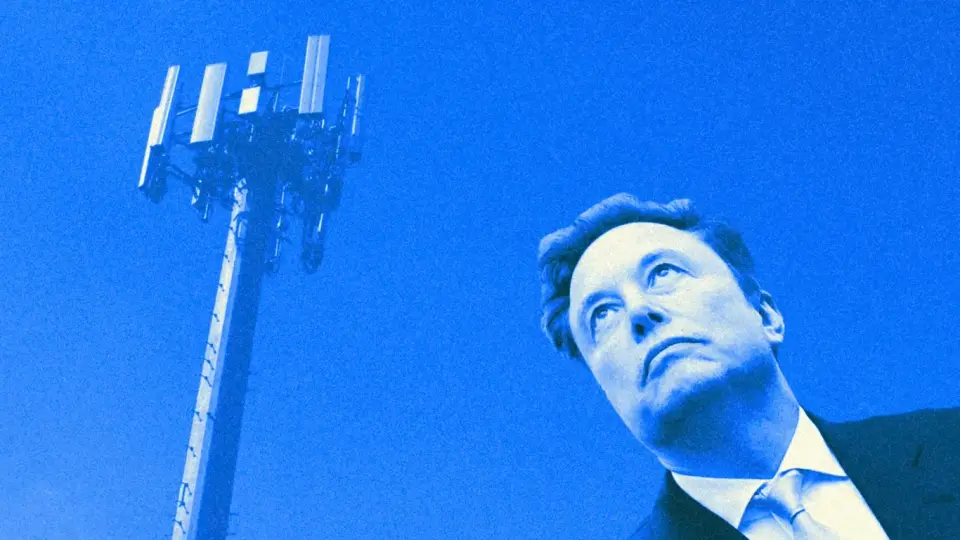
Elon Musk is attempting to disrupt the US wireless market, currently dominated by AT&T, Verizon, and T-Mobile, by leveraging SpaceX’s capital and spectrum holdings. After being rejected by the three major carriers for network access, SpaceX is pursuing alternative routes, including acquiring Boost Mobile and leasing infrastructure. The move aims to create a fourth nationwide carrier, though analysts question the profitability and feasibility of building a terrestrial network from scratch.
Key points
- SpaceX is negotiating to acquire Boost Mobile or lease its network capacity to bypass the major carriers who refused wholesale access deals.
- The company recently purchased low-band spectrum from Grain Management for $19.6 billion, a move Musk described as the final piece needed for complete phone coverage.
- SpaceX is in talks to access approximately 80,000 cell sites to build a terrestrial network, potentially using Starlink rooftop equipment as base stations to lower costs.
- Regulatory approval for these transactions remains uncertain, with FCC reviews required for spectrum transfers and potential political risks following the recent midterm elections.
- Critics argue that the wireless industry offers poor returns on investment, questioning why SpaceX would enter a market where established carriers struggle to achieve attractive profits.
Background
The US wireless market has consolidated significantly over the past two decades, reducing the number of major nationwide carriers from four to three after T-Mobile’s 2020 acquisition of Sprint. Previous attempts to introduce a fourth competitor, such as Dish Network’s acquisition of Boost Mobile, failed to deliver a viable alternative. SpaceX’s entry into this space follows its recent acquisition of low-band spectrum and FCC approvals for direct-to-cell satellite services, marking a significant shift from its traditional satellite-focused business model.
How outlets are covering it
Axios highlights the financial strength of SpaceX as a key differentiator, noting that unlike previous challengers such as Dish, Musk has the capital to scare investors in the traditional big three. Yahoo Finance emphasizes the 'backdoor' strategy, focusing on the acquisition of Boost Mobile and the leasing of capacity as a workaround after being rejected by AT&T, Verizon, and T-Mobile. While Axios notes the daunting obstacles of building a terrestrial network, Yahoo Finance points to the legal arguments SpaceX could use if AT&T attempts to cancel Boost’s contracts, framing it as a potential anti-competitive issue.
Why it matters
If successful, Musk’s venture could introduce the first major competitive threat to the US wireless oligopoly in years, potentially lowering prices and improving service for consumers. However, the success of this initiative depends on overcoming decades of infrastructure investment by existing carriers and navigating complex regulatory and political landscapes. The outcome could reshape the competitive dynamics of the telecommunications industry and influence future regulatory decisions regarding market entry and competition.
What to watch
The next steps include the finalization of the Grain Management spectrum deal, expected early next year, and the outcome of negotiations with Boost Mobile. SpaceX must also secure FCC approval for the transfer of licenses and navigate potential political risks following the midterm elections. The company’s ability to build a viable terrestrial network and attract customers will determine whether it can establish itself as a fourth nationwide carrier.
- Elon Musk's next target: A major shake-up of America's wireless market Axios
- Inside Musk’s plan to upend the wireless phone industry The Washington Post
- SpaceX in talks to buy Boost Mobile or use its network, Washington Post reports Reuters
- Elon Musk finds a backdoor into the $235-billion wireless market after being rejected by every major carrier Yahoo Finance
- Elon Musk wants to take on Verizon, AT&T, and T-Mobile. He may have found a way Fast Company
Want the full story? Read the original reporting
Read on Axios