
New US Chip Curbs Disrupt Global Supply Chains Beyond AI, Hitting Consumer Tech
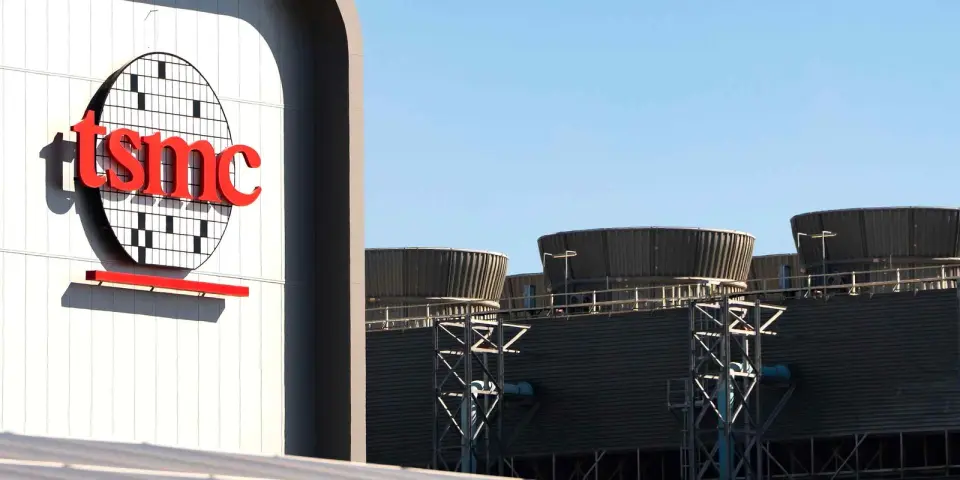
New US export controls introduced on November 19, 2026, are causing wider disruptions to the global semiconductor supply chain than initially anticipated. While the measures target advanced AI chips, industry executives report that restrictions now affect components used in mobile and consumer devices, impacting developers beyond China. Concurrently, leaked documents reveal the Commerce Department approved over 800,000 AI chip sales to Chinese firms, including entities linked to the military and the former partner of Nvidia’s CEO.
Key points
- US export controls introduced on November 19, 2026, extend beyond advanced AI chips to affect mobile and consumer electronics components.
- Industry executives told Nikkei Asia that the new rules are disrupting supply chains for developers outside of China.
- Lawmakers released confidential data showing the Commerce Department approved over 800,000 AI chip sales to Chinese companies as of May 11, 2026.
- The Commerce Department received applications for more than 3.4 million chips to Chinese firms, approving 75,000 for Alibaba, which has ties to a military-linked laboratory.
- Nvidia submitted an application in April to sell over 40,000 H200 chips to a company linked to Megaspeed and Alice Huang, the former partner of Nvidia’s CEO.
Background
These developments follow earlier US Bureau of Industry and Security regulations in November 2026 that forced TSMC and Samsung to halt certain chip shipments to China. Previous reports also highlighted financial ties between Alice Huang and Huawei, raising concerns about export control violations. Additionally, Ukraine’s drone industry has faced challenges due to reliance on Chinese components despite tightening restrictions.
How outlets are covering it
Nikkei Asia emphasizes the broader impact of the new export controls on the global semiconductor supply chain, noting that restrictions now affect everyday mobile and consumer applications and developers beyond China. In contrast, The New York Times focuses on specific instances of chip sales to Chinese entities, highlighting approvals for firms linked to the military and the former partner of Nvidia’s CEO. While Nikkei Asia reports on the unintended consequences of the controls, The New York Times underscores potential security risks associated with prior approvals.
Why it matters
The expansion of US export controls beyond AI chips threatens to disrupt global supply chains for consumer electronics and mobile devices, affecting companies and developers worldwide. The revelation of prior chip sales to Chinese firms linked to military interests raises concerns about national security and the effectiveness of export regulations. These developments highlight the complex interplay between technology, geopolitics, and corporate conduct in the semiconductor industry.
What to watch
Industry stakeholders will likely assess the full impact of the new export controls on their supply chains and operations. The Commerce Department may face scrutiny over prior approvals of chip sales to Chinese firms, potentially leading to further regulatory adjustments. Companies affected by the restrictions may seek alternative suppliers or adapt their production processes to comply with the new rules.
- Chip supply chain warns of broader disruption from new US export controls Nikkei Asia
- Nvidia Asked to Sell Chips to Companies Tied to Chinese Military and Megaspeed The New York Times
- US signed off on sales of nearly 900,000 AI chips to China in six months, House committee says Reuters
- America must get serious about Chinese chip spying The Economist
- The Morning Risk Report: China’s AI Firms Are Hooked on Nvidia Chips. Now Comes the Withdrawal. WSJ
Want the full story? Read the original reporting
Read on Nikkei Asia